OpenAI Is Building a Smart Speaker That Talks Back — and It Won't Be Cheap
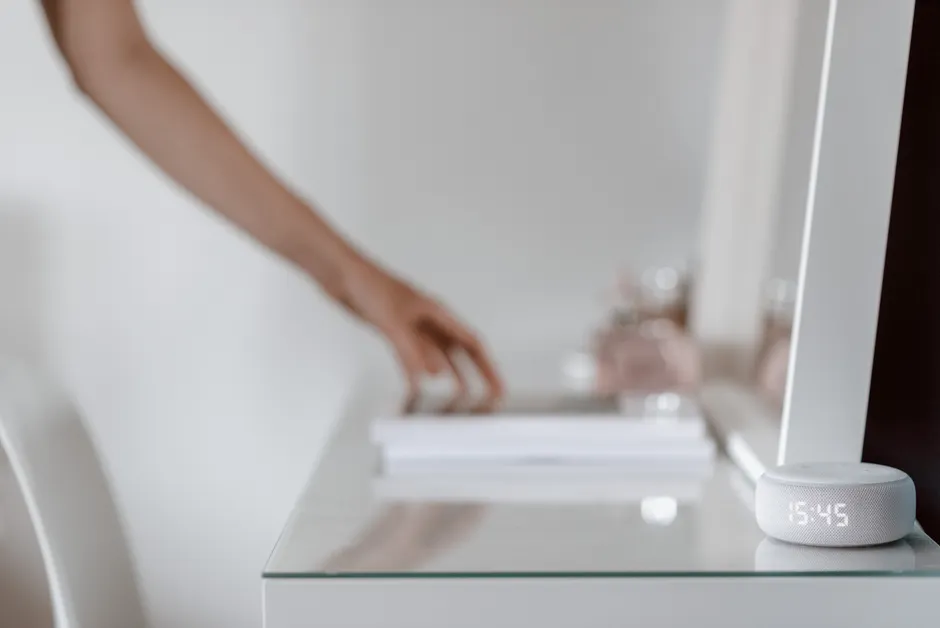
OpenAI's planned smart speaker will cost between $300 and $400 when it goes on sale in 2027, according to reporting by Bloomberg's Mark Gurman on August 6, 2026 (Engadget). That is higher than an earlier estimate: in February 2026, The Information reported the price would be between $200 and $300, citing two people with knowledge of the matter (The Information).
The device is described as ring-shaped, about the size of a hockey puck, and battery-powered so you can carry it around. It includes a camera, sensors that monitor the environment around it, facial recognition, and parts that can move on their own to make interactions feel more lifelike. It does not have a screen (Engadget; The Decoder; CNET).
The speaker is also said to offer proactive suggestions, such as telling you when to go to bed. That points to a different kind of assistant from today's smart speakers like Alexa or Google Home, which mostly wait for you to ask a question and then answer it. This device would instead act more like a companion that volunteers information on its own (The Decoder).
The smart speaker is one of several device ideas OpenAI is exploring. The company is also considering smart glasses (The Information). The push into hardware picked up speed when OpenAI spent $6.5 billion to acquire io, a startup run by Jony Ive, the designer behind many of Apple's most iconic products (Engadget).
OpenAI has also been working on the voice technology that will power the device. In January 2026, The Information reported that the company was improving its audio AI models ahead of the device's release (The Information). A later report said OpenAI had developed a new kind of audio model that can listen and speak at the same time, similar to how people talk over each other in a real conversation, rather than taking turns like a walkie-talkie. That report noted OpenAI had passed $25 billion in yearly revenue, up 17% from $21.4 billion the year before (The Information).
OpenAI does have some hardware experience. Its first consumer device, the Micro Codex keyboard, launched at $230 and sold out in 12 hours. Since then, resellers on eBay have asked as much as $1,850 for it (Fortune).
What this all suggests about OpenAI's strategy is worth noting. At $300–$400, the speaker costs more than mainstream smart speakers from Amazon and Google, which usually sell for well under $200. That gap suggests OpenAI is not trying to compete on price with devices you can already buy. Instead, it appears to be aiming for a premium product, betting that the device's ability to act on its own and interact in a more human way will justify the higher cost.
The camera and facial recognition features raise privacy questions OpenAI will need to answer before launch. A device that moves through your home, recognizes people's faces, and offers lifestyle advice is collecting far more personal data than a stationary speaker sitting on a counter. How OpenAI handles that data, whether it processes it on the device itself or sends it to the cloud, and what choices users have over what gets collected, will matter as much as how the product looks.
The earlier $200–$300 price report from The Information, written by Stephanie Palazzolo and Qianer Liu, described that range as part of an effort to make the device accessible while the team was still being built (The Information). The increase to $300–$400, reported about six months later, could come from higher component costs, additional sensors, or a decision to position the product as more premium. The reporting does not say which.
The 2027 launch timeline gives OpenAI time to refine both the hardware and the voice AI behind it. It also means the device will arrive in a market where competitors like Meta's AI glasses have already had time to establish themselves. For a company that makes almost all its money from software and services, a consumer hardware product at this price is a real test of whether OpenAI's reputation in artificial intelligence can carry over into physical products.


