One Senator's Decision Could Decide Who Becomes America's Top Lawyer
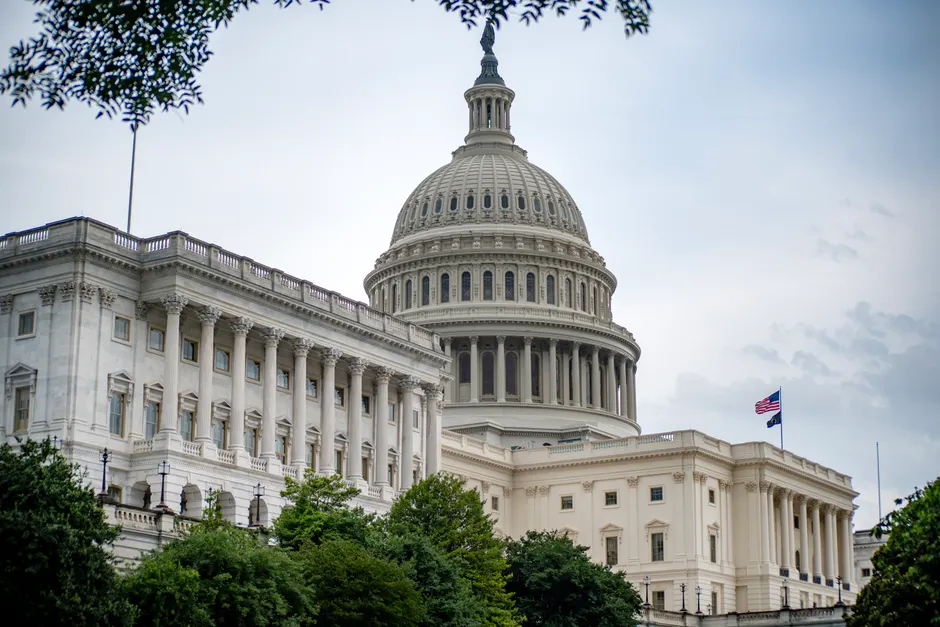
Senator Lisa Murkowski of Alaska announced on August 7, 2026, that she will not vote to confirm Todd Blanche as United States attorney general, the country's top law enforcement official. Her decision leaves Senator Bill Cassidy of Louisiana as the last undecided Republican whose vote will determine whether Blanche gets the job before the Senate leaves for its five-week August break that weekend. (NBC News; CBS News)
Murkowski released a statement on her Senate website confirming her opposition. (Murkowski Senate Office) She also posted on X, saying she respected Blanche personally but would "ultimately" vote against confirming him. (The Guardian)
Her main worry is a fund the Trump administration proposed to pay people who participated in the January 6, 2021, attack on the U.S. Capitol. Blanche had promised in writing that the fund was canceled. But experts told The Guardian that President Trump could reverse that promise on his own at any time. That risk was enough for Murkowski to say no. (The Guardian)
Blanche is Donald Trump's former personal lawyer and is already serving as acting attorney general, meaning he has the job temporarily. Getting the job permanently has been a bumpy process. Earlier in the week, the Senate Judiciary Committee advanced his nomination on a 12-10 party-line vote, meaning all Republicans voted yes and all Democrats voted no. But that only happened after Blanche promised Republican senators who were holding out that he would not pursue the payout fund. That promise came after weeks of talks with Senators Thom Tillis of North Carolina and John Cornyn of Texas, who had been blocking the nomination and eventually agreed to support it. (The Guardian)
On the Sunday before the committee vote, Blanche issued a formal order shutting down what The Guardian described as Trump's $1.8 billion "anti-weaponization" fund. That fund was designed to pay political allies who said they were unfairly targeted by the Justice Department, including people prosecuted for their roles in the January 6 attack. The written promise and the formal order were enough for Tillis and Cornyn. But Murkowski was not convinced the guarantees would last, because Trump could undo them easily. (The Guardian)
Senator Susan Collins of Maine had announced her opposition earlier in the week, saying she was worried the Justice Department would not stay independent under Blanche. (ABC News) With Collins and Murkowski both voting no, everything comes down to Cassidy, who has not said publicly which way he will go. NBC News and CBS News both reported on August 7 that Murkowski's opposition puts Blanche's confirmation in danger. (NBC News; CBS News)
The relationship between Trump and these Republican senators has been getting worse. On Thursday, August 5, Trump spoke in the Oval Office about his deteriorating relationships with Republican critics, naming Murkowski and Cassidy specifically. Both senators were among the Republicans who voted to convict Trump in his 2021 impeachment trial over the January 6 Capitol attack, which has shaped how carefully they are examining his pick for attorney general. (The Guardian)
The Senate is racing to finish the nomination before members leave for the August recess. If no vote happens before then, Blanche stays on as acting attorney general, but the process picks up again in September after five weeks of lobbying and public pressure that could change the political picture.
The broader context here is that this confirmation fight has become a stand-in for a bigger question: how should the Justice Department treat people charged in the January 6 attack, and can promises from a president be trusted to last? Blanche's concessions were enough for Tillis and Cornyn but not for Collins and Murkowski, who both belong to a group of Republican senators that has consistently broken with Trump on issues related to January 6 accountability. Cassidy is part of that same group, since he also voted to convict Trump in the 2021 impeachment trial.
The core tension comes down to this: Blanche gave a written promise and issued a formal order to kill the compensation fund, but that promise only holds as long as the administration wants it to. And this administration already proposed the fund once before. The experts cited by The Guardian said Trump could undo the termination fairly easily, which is exactly what worried Murkowski. Whether Cassidy accepts that risk, or whether the administration offers stronger guarantees before the recess, will probably determine whether Blanche gets a vote this weekend or the fight drags into September.


