Trump Hits Pause on Attacking Iran to Try for a Nuclear Deal

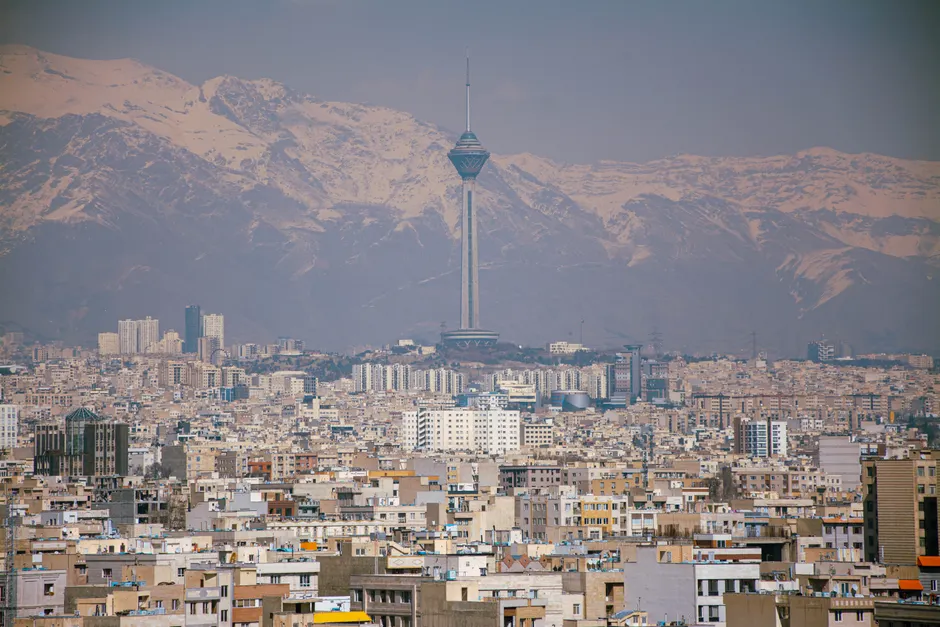
President Donald Trump said the United States would hold off on a new attack on Iran if the two sides could reach a deal quickly to stop Iran's nuclear program, according to a Reuters report published August 2, 2026 (Reuters). Trump separately confirmed that talks with Iran were happening and warned it was a "last chance" for Tehran, Iran's capital, to sign a good deal to end the war (Reuters.
The pause follows Trump's decision to call off a planned large-scale US attack on Iran after allies and Iran itself asked him to wait (Reuters. The size of the planned attack has not been officially described, but Trump's own description of an earlier round of strikes in June 2025 offers a clue. At that time, Trump said: "We're not at war with Iran... We destroyed the Iranian nuclear program... and we did it without endangering the lives" of US troops (White House.
Trump has also publicly sided with Iran's protest movement, urging Iranians to keep demonstrating and to "remember the names of those abusing them," saying help is on the way (Reuters. That stance fits the administration's broader approach, laid out in a February 2026 White House fact sheet, in which Trump said that Iran cannot be allowed to get a nuclear weapon, something he said he has never wavered on (White House.
This is not the first time the two sides have tried to reach a deal. In June 2026, Trump said in a social media post that an agreement to end the war with Iran was scheduled to be signed on a Sunday (Reuters. Whether that earlier effort fell apart or was just delayed is unclear from public statements. The current round of talks carries Trump's "last chance" warning, which suggests the administration believes the window for a peaceful agreement is closing.
The strategy driving these moves is called "maximum pressure," which was formally restarted in February 2025 when Trump signed a presidential memorandum restoring the policy (White House. Maximum pressure means using economic sanctions — penalties that restrict a country's ability to trade and access money — along with diplomatic isolation and the threat of military force to push Iran toward the negotiating table. Think of it as squeezing a country from every angle until its leaders agree to talk. The White House later published a video dated March 3, 2026 titled "THANK YOU, President Trump, for decisive action against the Iranian regime" (White House, reinforcing the idea that military strikes and economic pressure are both parts of one plan.
There is a tension here worth noticing. Trump's claim in June 2025 that the US "destroyed the Iranian nuclear program" sits awkwardly next to his current demand for a deal to "halt Iran's nuclear ambitions." If the program was truly destroyed, asking for a new agreement suggests one of three things: the destruction was not complete, Iran rebuilt parts of the program, or the administration wants a legally binding promise to stop any future rebuild. Each of these scenarios would require a very different kind of agreement.
The decision to pause the attack at the request of allies and Iran raises its own questions: which allies stepped in, and what promises, if any, were made in exchange for the pause? Trump's insistence on a "quick" deal creates pressure without him actually setting a deadline. The gap between saying "last chance" and not naming a specific date gives the administration room to either claim a diplomatic win or restart military action whenever it chooses.
Meanwhile, Trump's encouragement of Iranian protesters adds a separate kind of pressure on Iran's government, one that has nothing to do with the nuclear issue. By publicly supporting Iranians who are protesting their own government, the US is saying that any deal will not mean staying quiet about Iran's treatment of its people. That could make Iran's leaders less willing to sign an agreement, but it also lets the US claim the moral high ground no matter what happens with the talks.
Iran has its own leverage. The country has threatened to strike other nations' energy fields — places where oil and gas are produced — if the US launches fresh attacks (Reuters. The idea is that if Iran cannot win a direct war, it can disrupt the world's energy supply, which would raise oil prices and hurt the global economy. Whether that threat is enough to hold the US back remains the biggest open question.
For now, the administration is walking a narrow line: military action is on hold, talks are underway, a "last chance" warning has been issued, and no firm deadline is set. This setup lets both sides say diplomacy is working while keeping the option of escalation on the table. How long that holds depends on what comes out of the negotiations, and whether leaders on either side can make the compromises a lasting deal would require.