Half a Million People in Puerto Rico Lost Running Water for Days at a Time. Here's Why.
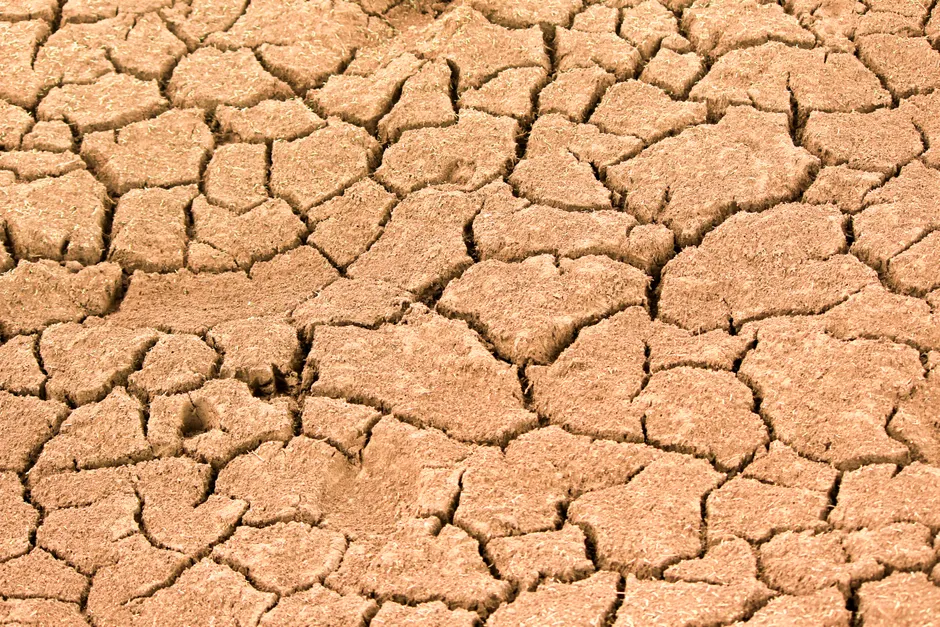
More than 500,000 people in Puerto Rico are living without running water for two days at a time. The reason: the island just had its driest July ever, and the main reservoir supplying water to the area is running dangerously low. BBC
Here is how it works. Puerto Rico's water utility, called PRASA, split affected homes into two groups. One group has their water turned off for 48 hours while the other group still has water. Then they switch. This affects seven regions and 180,000 properties.
Governor Jenniffer González said the decision was made after carefully checking the water levels at the Carraízo reservoir and looking at weather forecasts. The US Drought Monitor confirms that 68% of Puerto Rico is in a drought right now.
The immediate cause is a lack of rain. But there is a deeper problem making things worse. PRASA loses about 65% of the water it produces before that water ever reaches people's homes. That is because many of the pipes carrying the water are old and leak. So before rationing even starts, the utility is only delivering about a third of its water to the people who pay for it. Think of it like trying to fill a bucket with a hose that has holes all along it — most of the water leaks out before it gets to the bucket.
Puerto Rico's Department of Consumer Affairs, known as DACO, has stepped in to control prices on bottled water and other essentials. They published a price list effective August 7, 2026. The goal is to stop sellers from jacking up prices when people are desperate. Whether it works depends on how well the rules are enforced.
You can track the reservoir's water levels yourself on PRASA's website, acueductospr.com.
The broader context here matters. Puerto Rico's water system has been struggling for a long time. That 65% loss from leaky pipes is not something new caused by the drought. It is a problem that has been there for years. The drought is simply exposing how bad things already were.
The 48-hour shutoff is not a permanent fix. It is an emergency measure to slow down how fast water is being used, so the reservoir has a chance to refill. Whether that happens depends on rain in the coming weeks.
For people affected, the consequences are serious. Without running water for two days, families cannot cook, clean, or care for sick family members at home. And because the shutoffs rotate, there is constant uncertainty about when the water will come back on.
The price controls from DACO show that officials are worried about bottled water shortages and price-gouging during the shutoffs. Whether those controls are enough depends on how much bottled water is available and how well the rules are enforced.
In terms of what comes next, this crisis is likely to put more pressure on PRASA to fix its leaky pipes. A water system that loses 65% of its supply cannot be fixed by rationing alone. The real fix means replacing old pipes, which will take years and a lot of money. Until that happens, Puerto Rico's water supply depends on getting enough rain to make up for a system that wastes more water than it delivers.


