Why India Is Switching to Electric Vehicles—and Why It Matters

Why India Is Switching to Electric Vehicles—and Why It Matters
India is buying a lot more electric vehicles. In the year that ended in March 2026, electric vehicle sales jumped 25%, according to BBC. For the first time, electric vehicles made up more than 5% of all new passenger cars sold in the country.
This shift is happening for two main reasons. First, oil prices have spiked—they jumped 50% because of conflict in the Middle East. That makes gasoline more expensive. Second, the Indian government is passing new rules that push car companies to make electric vehicles instead of gas-powered ones. India imports almost 90% of the oil it uses, so rising prices directly hit everyday costs for millions of people.
Where Are People Buying EVs?
The growth goes beyond regular cars. Auto-rickshaws (the three-wheelers that are everywhere in Indian cities) are going electric fast—more than 30% of new ones are now electric. Motorbikes are following too, with over 15% of new ones being electric. Even wealthy Indians buying premium cars (those costing over one million rupees) are choosing electric versions, though they cost more upfront.
The capital city, Delhi, is leading the way. Eleven and a half percent of new vehicles there are electric—the highest in the country. Kerala and Assam are close behind at 11.1% and 10.0%. These differences show that some cities have better charging stations and offer more incentives to buy electric.
The Government's Push
Starting in April 2025, India's government made a rule forcing car companies to cut pollution from their vehicles. By 2032, cars will have to emit far less carbon than they do today. Car makers that don't meet this goal will face big fines. The rule covers the decade through 2032.
Delhi is even more aggressive. It wants to stop people from buying new gas-powered two and three-wheelers by 2027. The federal government also started a program called FAME back in 2015 that gives money to people who buy electric vehicles. There's talk of spending over $1 billion more to encourage electric buses and trucks for delivery companies and businesses.
Building the Charging Network
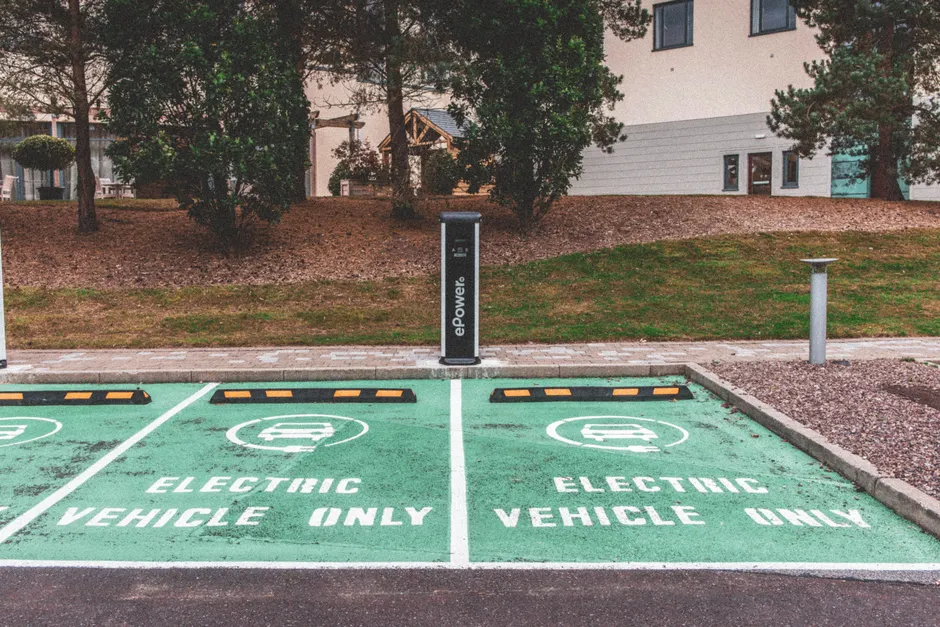
You can't drive an electric car if there's nowhere to charge it. India has been building fast. Public charging stations grew from 2,000 to over 10,000 in just three years. That's a five-fold jump. The problem is that most of these stations are in cities. People in rural areas still struggle to find places to charge.
Electric two-wheelers are the biggest part of India's electric market. In 2025, people bought 1.3 million electric bikes and scooters—10% more than the year before. These vehicles work well for India because they're cheaper than cars, and they need less charging infrastructure. People use them to deliver packages and get around cities.
One company, Tata Motors, is winning the race. By December 2025, it had sold over 250,000 electric cars total. Its Nexon EV was the first electric car made in India to sell more than 100,000 units. Tata plans to release two more electric models in 2026 as more companies jump into the market.
How Does India Compare?
Right now, 5% of new cars sold in India are electric. That sounds low compared to other places. In China, it's 53.3%. In Europe, it's 20%. Even the United States is at 8%.
But there's a pattern here. China's electric vehicle market went from just 5.7% in 2020 to more than half of all sales within four years. It jumped when two things happened: charging stations became common enough, and electric cars became as cheap as gas cars when you add up the total cost over time. India looks like it's at the beginning of the same curve.
The oil price situation adds another layer to why this matters. When Middle East tension pushes oil prices up 50%, every Indian family with a car feels it in their wallet. This makes electric vehicles not just an environmental choice—it's a money-and-security issue for the whole country.
What Comes Next?
The Indian government has set a goal: 30% of new cars should be electric by 2030. By 2047, they hope it will be 87%. Industry experts think the real numbers will be lower at first—maybe 15-20% for cars and 40-45% for two-wheelers by 2030. That's because building charging stations everywhere takes time and money.
There's another piece to watch. As electric vehicles take off globally, demand for the materials inside them—lithium, cobalt, rare earth elements—will explode. India wants to build its own batteries rather than rely on imports. That's ambitious, but it could make India a hub for electric vehicle manufacturing and export.
The real question is whether India can build enough charging stations fast enough. Right now, urban early adopters can find places to charge. But electric vehicles need to reach regular people across the whole country—people in small towns and rural areas—and that requires serious infrastructure investment.
The stakes here are big. If India pulls this off, it could save tens of billions of dollars a year on oil imports and create a major manufacturing industry. The country could be less vulnerable to oil price spikes from faraway conflicts. That's what makes this shift matter beyond just cars—it's about economic security and India's position in a changing world.