What's Happening to the Dollar — and Why It Matters for Your Money

Asian currencies held steady against the U.S. dollar on August 10, 2026. The reason: traders are increasingly convinced the Federal Reserve won't raise interest rates again. When the Fed stops raising rates, the dollar tends to weaken because savers earn less by holding dollars, and investors look elsewhere for better returns.
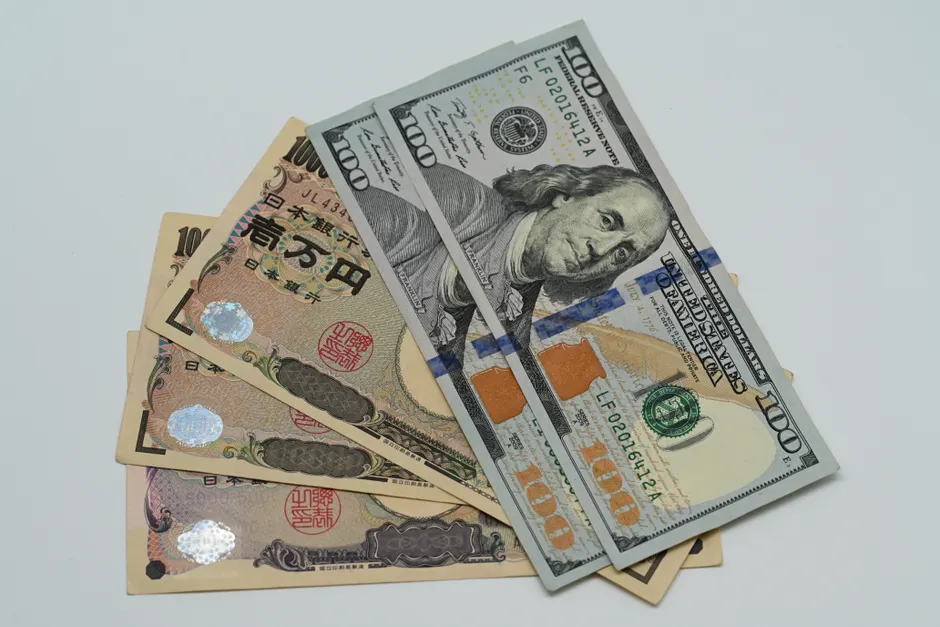
A weekly index that tracks the dollar's value against several major currencies — called the WSJ Dollar Index — rose 0.56% to 97.60. That's a small bump. The bigger story is that the dollar had already fallen to a seven-week low after July's jobs report showed an unexpected drop in hiring. Fewer new jobs mean the economy may be cooling, which means the Fed has less reason to raise rates. The euro rose 0.39% to $1.1568, and Japan's yen strengthened to 160.17 per dollar (Reuters).
The Federal Reserve sets a benchmark interest rate — the rate banks charge each other for overnight loans — and it currently sits between 3.50% and 3.75%. At its latest meeting, the Fed chose not to change that rate, though three of the 12 voting members disagreed and wanted action. The Fed's own internal survey showed nine officials expecting one more rate hike in 2026. But the financial markets disagree. After the August 7 jobs data, traders cut the odds of a September hike significantly, though some economists still expected one (Reuters). Notes from the Fed's June meeting flagged that markets were pricing in just one hike by mid-2027, and the Fed's trading desk warned that other factors may be inflating those numbers (Federal Reserve).
The experts don't agree, either. ING, a major bank, thinks the Fed will hold steady in September, which should push the dollar lower against currencies like the euro (ING). J.P. Morgan, another major bank, expects a hike in December, partly because the Fed hasn't laid out a clear plan. And futures markets — where traders bet on what will happen — are pricing in basically no rate increase before mid-2027.
Think of it like weather forecasts. Three different forecasters are looking at the same data and predicting different things: one says rain, one says clear skies, and one says maybe rain next year. When the experts disagree this much, it usually means the signals are mixed.
For Asia, MUFG Research expects the region's currencies to gain modestly against the dollar in the second half of 2026, driven by a weaker dollar and looser financial conditions (MUFG Research). When U.S. interest rates are high, money tends to flow toward the dollar because it pays better. If the Fed stops raising rates, that pull weakens, and Asian currencies get some breathing room.
The yen has its own story. On August 3, the U.S. and Japan jointly intervened in currency markets to prop up the yen, adding to the dollar's slide. That move tells you authorities are uncomfortable with the yen near 160 per dollar. It also means the yen could swing in either direction, in ways that interest rates alone can't explain.
The broader context here is a central bank in transition. The Fed has held rates steady, but its internal forecast still points to a hike. Three members pushed back. On top of that, the Fed may soon get a new chair: Kevin Hassett was the frontrunner to replace Jerome Powell. Investors were already dialing back expectations of rate cuts because they weren't sure the new chair would favor lower rates. A chair who leans toward higher rates could reset everyone's expectations, though the weak jobs data make that argument harder to make right now.
There's also less global tension to worry about. Iran and Israel agreed to stop trading strikes. That matters because the dollar is a safe-haven currency — when the world feels risky, people buy dollars. With that risk fading, the dollar loses a small source of support just as the interest-rate advantage behind it is shrinking.
The bottom line for anyone watching currencies: Asian currencies are pausing, and the question is whether that pause turns into a longer trend. The case for a weaker dollar rests on the Fed holding rates, easier financial conditions, and stronger global growth. The case against it rests on the Fed's own forecast, a possibly more aggressive new chair, and the chance that July's bad jobs number was just a blip. The market is betting on a weaker dollar. The Fed's own forecast says otherwise. That disagreement won't sort itself out before September.