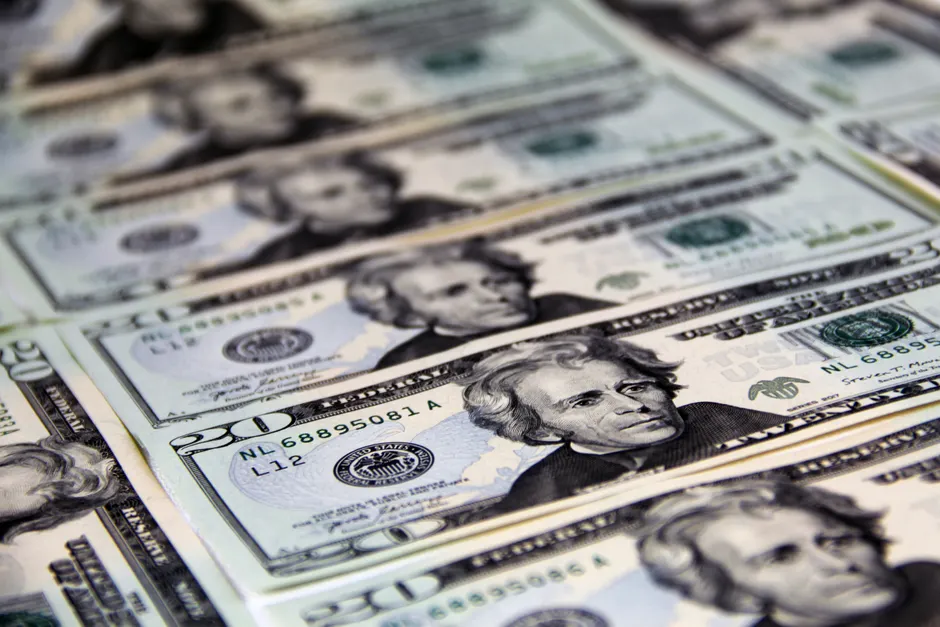
The Dollar Is Slipping — But Slowly. Here's Why.
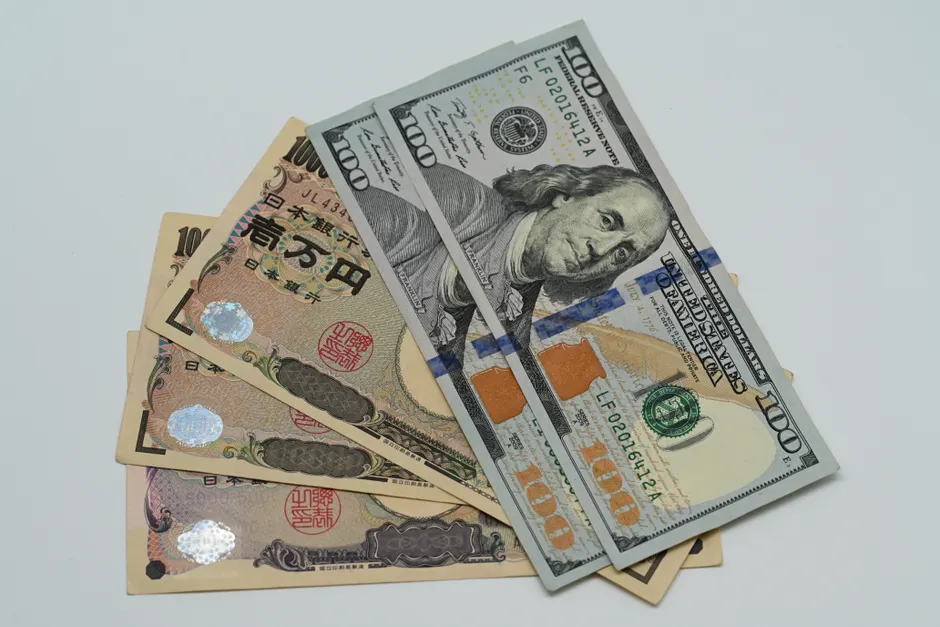
The WSJ Dollar Index fell 0.11% over the week ending around July 17, 2026, closing at 97.09. Asian currencies held steady while a cautious mood weighed on the region's foreign exchange markets (WSJ, July 17, 2026). The index sat 7.50% below its record close of 105.14.
The dollar index is a measure of the dollar's value against a basket of other currencies. When it goes down, the dollar buys less foreign currency. When it goes up, the dollar is stronger.
The week was bumpy. On July 13, the index rose 0.08% to 97.17, with Asian currencies holding steady amid escalating Middle East conflict (WSJ, July 20, 2026). Two days later, on July 15, the index fell 0.30% to 96.86, its lowest level in the reported readings. The drop came as traders reduced their expectations that the Federal Reserve would raise interest rates, which helped Asian currencies (WSJ, July 15, 2026). The index then recovered to 97.09 by week's end.
Earlier in the month, the dollar index had risen 0.04% to 97.26 on July 6, snapping a two-day losing streak, with Asian currencies holding steady amid possible position adjustments by traders (WSJ, July 6, 2026). The week ending July 3 saw the index close at 97.20, off 7.56% from the record, with a more optimistic mood providing tentative support for Asian currencies (WSJ, July 10, 2026).
The holding pattern across Asian currencies is not happening on its own. MUFG Research published a note on July 8, 2026, identifying renewed Middle East geopolitical risks as a source of pressure on Asian currencies (MUFG Research, July 8, 2026). BNP Paribas's report for July 2026 similarly flagged geopolitical risks and a potential Fed tightening cycle as factors that could disrupt currency market momentum (BNP Paribas, July 2, 2026). Convera's July 2026 outlook went further, citing geopolitical tensions, oil price swings, political surprises, and AI-driven volatility as the main drivers of currency markets rather than economic fundamentals (Convera, July 15, 2026).
The shared theme across these research notes is that geopolitical risk is competing with economic fundamentals as the main thing moving currency prices. The European Central Bank's analysis, while undated, found no significant evidence that geopolitical risks have reduced demand for major reserve currencies like the dollar and the euro (ECB). Reserve currencies are currencies that central banks hold in large quantities as a store of value. The ECB's finding suggests that demand for these currencies may be resilient even as short-term trading shifts on geopolitical headlines.
The WSJ's own market reports tell a more detailed story. Across the month, Asian currencies were described as helped by reduced Fed rate-hike expectations (July 15), weighed down by cautious sentiment (July 17), supported by optimistic sentiment (July 3), and vulnerable to Middle East conflict (July 13). The common thread is consolidation, which means prices are staying within a narrow range. Each driver, whether optimistic or cautious, operated within that range. The dollar index's weekly move for the period ending July 17 was just 0.11%, and the July 3 week saw a move of only 0.02%.
What this means for ordinary savers and investors is that the dollar's broader direction remains downward. The index has not traded near its 52-week high of 97.73 since mid-July, and the 7.50% gap from the record close has shown no sign of closing. The back-and-forth between optimistic and cautious drivers for Asian currencies suggests traders are adjusting their portfolios rather than making big directional bets. When the WSJ attributes price action to "possible position adjustments," that is an acknowledgment that trading is driven by portfolio rebalancing rather than fresh views on where currencies are headed.
The risk landscape that trading desks are pricing is not purely geopolitical in the traditional sense. Convera's inclusion of "AI-driven volatility" as a currency-market driver is notable. It suggests that computer-driven trading strategies are amplifying moves triggered by news headlines, potentially widening price swings within a single day even as weekly changes stay small. This fits the pattern in the data: large single-session swings (the 0.30% drop on July 15) followed by offsetting moves that leave the weekly change minimal.
The ECB's finding on reserve-currency demand adds a structural counterweight. If geopolitical risks have not materially reduced demand for the dollar or euro as reserve assets, then the current weakness in the dollar index is more likely a temporary, positioning-driven phenomenon than a permanent shift. The distinction matters for how people think about their money. A temporary dollar pullback driven by fading Fed-hike expectations and geopolitical worries is a different situation from a long-term decline in the dollar's global role.
What remains under-discussed in the available research is how two forces interact: reduced Fed rate-hike expectations and the geopolitical risk premium. If Middle East tensions escalate further, as MUFG and the WSJ's July 13 report both flagged, the usual flight to safety into the dollar could conflict with the rate expectations that have been pushing it lower. Which force wins will likely determine whether Asian currencies break out of their holding pattern or stay stuck.
The WSJ Dollar Index stood at 97.09 as of the most recent reported close. That is 7.50% below the record. It is also 0.57% below the 52-week high. The gap between those two figures is the story: the dollar is well off its highs, but not in freefall. Asian currencies are holding steady because the forces pulling in each direction are roughly canceling out. When they stop canceling out, the range breaks.