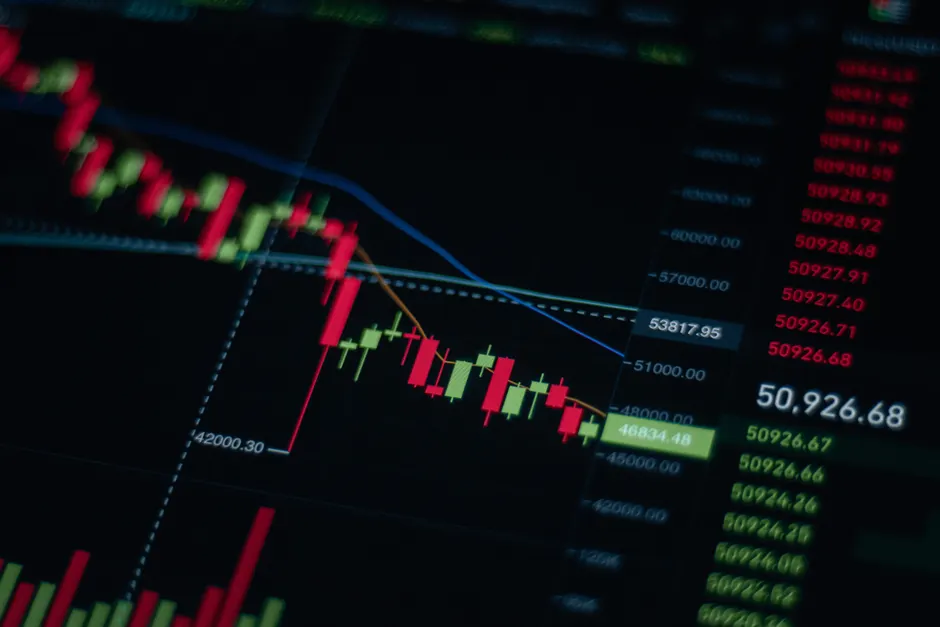
Gold Prices Jump After a Confusing Jobs Report
The U.S. economy lost 23,000 jobs in July 2026, going against expectations that job growth would be positive. At the same time, the unemployment rate actually went down slightly. The data came out August 7. Gold prices jumped to their highest point in seven weeks, and the dollar fell to its lowest in seven weeks against other currencies. U.S. stock prices rose. WSJ
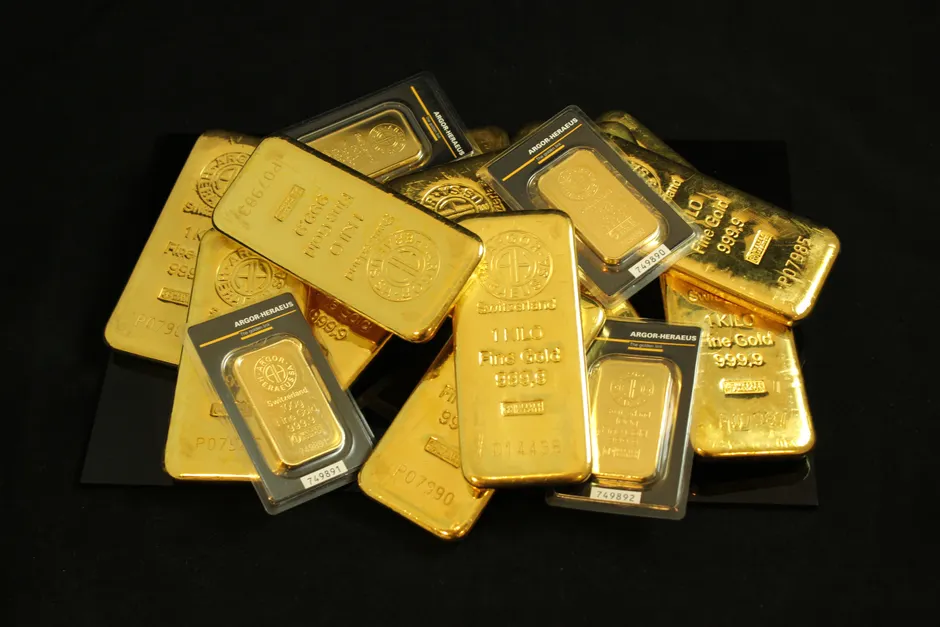
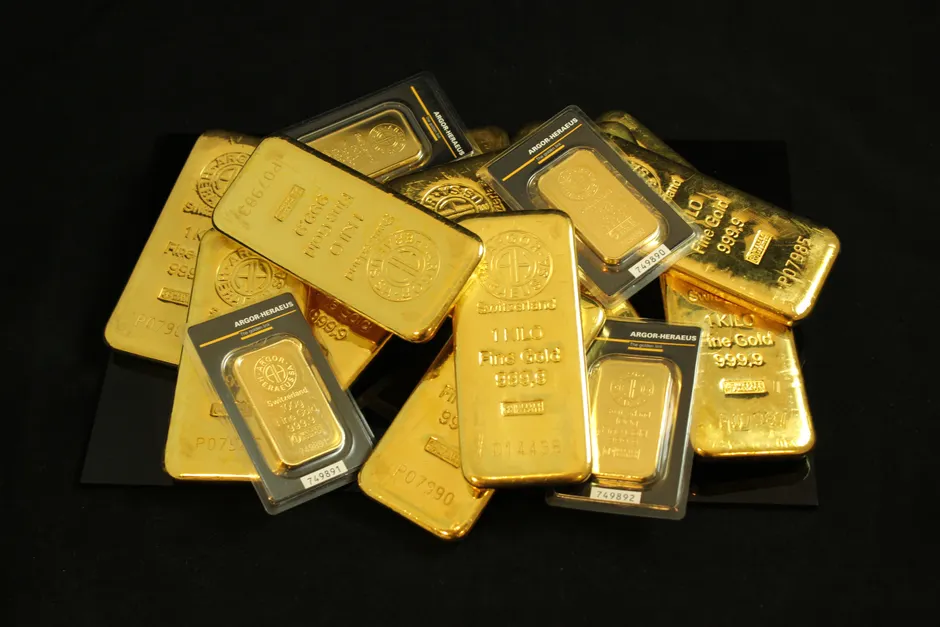
Gold was on track for its best week since January 2026 as of August 7, according to Reuters and CNBC. The rally built over several weeks. Spot gold, meaning the price for immediate delivery, traded at $4,086.36 on August 4. Gold futures, which are agreements to buy gold at a set price later, settled at $4,152.60 the same day. December-delivery futures surged 3.7% to $4,305.20 on August 5. Comex gold had settled at $4,100.10 on July 30, up 1.58%. Reuters
The jobs report was the spark that lit a trend already building through July. Gold had been rising most of that month because the dollar was weakening. Investors thought the Federal Reserve was less likely to raise interest rates again in 2026. An earlier weak jobs report on July 2 had already pushed spot gold up 2.2% to $4,117.63. The pattern was clear: weak jobs data makes rate hikes seem less likely, which weakens the dollar, which lifts gold. CNBC
The Federal Reserve held interest rates steady on July 30, which added more support. Comex gold settled 1.58% higher at $4,100.10 that day. By the time the July jobs data came out, many traders had already bought gold. WSJ
Sucden Financial's daily metals analysis for August 8 said gold and silver extended their gains as the dollar weakened. The July jobs report encouraged investors to expect a softer job market ahead. Gold and the dollar tend to move in opposite directions. When the dollar gets weaker, gold becomes cheaper for buyers outside the U.S. It also becomes more attractive compared to keeping money in a savings account that earns interest, since gold does not pay interest. Sucden Financial
Not every precious metal moved the same way. Gold futures had fallen 2.4% to $4,046.50 on July 23, and silver dropped 3.7% to $57.798 per ounce that same day. That shows how bumpy the ride has been even as the overall trend pointed up. The dip came before the Fed's July 30 decision and the August jobs shock that restarted the rally. WSJ
The jobs report sends a mixed signal. Payrolls shrank by 23,000, but the unemployment rate went down. An analyst told Kitco that while job growth was slow, the job market was still tightening, which fits with a falling unemployment rate alongside weak payroll gains. This can happen when fewer people are looking for work, or because the unemployment rate and the payroll count come from two different surveys that do not always agree. Kitco
The broader context here matters. Gold's rally from its July 23 low of $4,046.50 to the August 5 price of $4,305.20 is a gain of about 6.4% in under two weeks. Several things drove it: the Fed holding rates, two weak jobs reports in a row, a weaker dollar, and investors scaling back expectations for rate hikes. Stock prices rose on the news, which suggests investors see weak jobs data as a sign that interest rates will stay lower, supporting stocks, rather than as a warning that the economy is in trouble.
The tension between falling payrolls and falling unemployment makes the story harder to read. If the job market is actually tightening despite job losses, then the argument for keeping rates low is weaker than the headline number suggests. Gold's rally is reacting more to the job losses than to the falling unemployment rate. That disconnect is where the risk lies for anyone betting on gold going higher. Sucden's view, that investors expect a softer job market, is the popular reading. But if the unemployment rate keeps falling in future reports, that could change minds.
The key things to watch are the next jobs report, any comments from the Fed about why the two surveys disagree, and whether the dollar keeps falling or bounces back. Gold's price is driven mostly by what investors expect from interest rates. If those expectations shift back toward rate hikes, the current rally could face a test.