Gaza Ceasefire Holds Militarily, but Violence and Diplomacy Remain Stuck
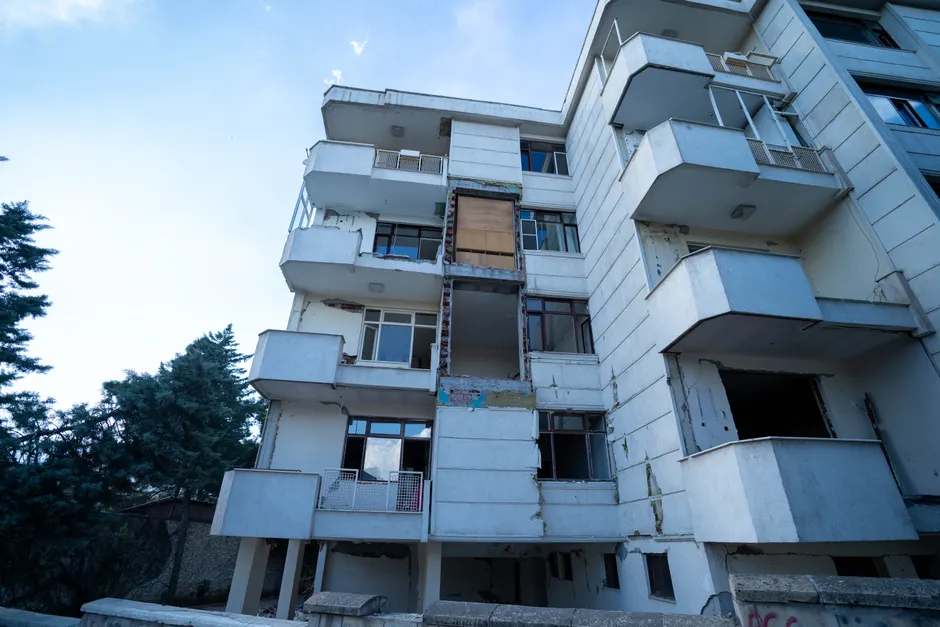
Israeli attacks killed at least one Palestinian in Gaza on August 10, 2026, while recovery crews pulled another body from beneath rubble, according to the Gaza Ministry of Health. Hospitals confirmed receiving the remains of two people killed in Israeli strikes, one of them recovered from a destroyed building. Al Jazeera
The fatalities and a string of casualty-producing incidents across the enclave come despite a ceasefire that has been in effect since October 2025. Since that ceasefire took hold, the Gaza Health Ministry has recorded 1,258 people killed by Israeli fire, 4,139 wounded, and 807 bodies recovered from rubble of destroyed buildings. The overall toll since the war began in October 2023 stands at 73,386 dead and 174,250 wounded, according to the same ministry.
The August 10 deaths followed a violent August 9 across central and southern Gaza. Israeli forces shot and killed one Palestinian east of Deir el-Balah, per the Qatar News Agency quoting medical sources. At least five people, including children, were wounded in Israeli attacks in Khan Younis and Rafah. An Israeli tank opened fire on tents sheltering displaced people in Khan Younis, wounding several, including a critically injured woman. In the al-Mawasi coastal area of Rafah, a girl was seriously wounded by Israeli army fire. Israeli artillery shelled areas east of Khan Younis, and further Israeli fire wounded several people in the al-Mahatta area of Gaza City's Tuffah neighbourhood. Al Jazeera
The violence persisted even as Israel has scaled back attacks since the week of August 9, following the ceasefire and the rollout of a US plan for the territory. Reuters
The diplomatic track, meanwhile, has hit a wall. Prime Minister Benjamin Netanyahu told a cabinet meeting on August 10 that Israel rejects US President Donald Trump's 15-point plan for Gaza and that Israeli forces will not carry out any withdrawal until Hamas is genuinely disarmed. The US-led Board of Peace, a multinational body overseeing the ceasefire's implementation, took a similar position last week, stating that an Israeli withdrawal from Gaza would proceed only once Hamas's disarmament is complete. Al Jazeera
Netanyahu went further on August 9, declaring that as long as he is prime minister, no Palestinian state will be established, neither in Gaza nor in the West Bank. CNN
The broader context here is that the ceasefire was always meant to be a bridge toward a permanent political settlement, not an endpoint in itself. Think of it as a tourniquet: it was designed to stop the bleeding, but someone still needs to perform the surgery. Netanyahu's outright rejection of the Trump plan and his categorical ruling out of a Palestinian state leave the ceasefire's political trajectory effectively unmoored from any agreed end-state. The Board of Peace aligning with Israel's disarmament-first condition further narrows the space for mediation. All major external parties now condition withdrawal on Hamas's disarmament, while Hamas has not publicly signaled readiness to comply. The result is a ceasefire that holds militarily in reduced form while the questions it was meant to resolve (sovereignty, governance, and the presence of armed factions in Gaza) remain locked in stalemate.
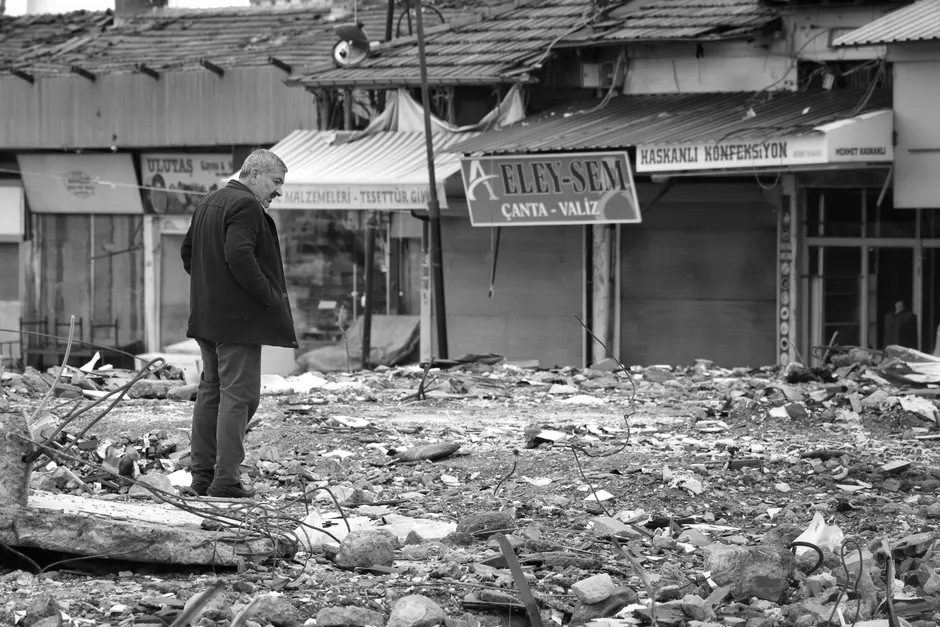
The recovery of bodies from rubble continues to be a defining feature of the conflict's aftermath. On August 8, crews recovered 19 bodies, most of them women and children, from beneath a destroyed residential building in Gaza City. A mass funeral was held in Gaza City on August 5 for 112 people whose remains were recovered from buildings destroyed during the war. In May, a recovery crew unearthed 50 bodies from rubble at the site of one of the war's deadliest Israeli attacks. Israel has also destroyed a cemetery in Gaza to retrieve the remains of its last captive and was reported in February to be holding over 700 Palestinian bodies. Al Jazeera; Los Angeles Times; NPR; AJ+
These figures and the pace of recovery suggest the full human cost of the war is still being tabulated, with the 807 bodies recovered since the ceasefire alone indicating that destruction wrought during active combat continues to produce casualties well after the guns have nominally fallen silent.
In my view, the gap between the ceasefire's military de-escalation and its political objectives, or lack thereof, is likely to keep two tracks running in parallel for the foreseeable future: continued low-level violence on the ground and diplomatic paralysis at the negotiating table.