Silenced: How Courts Can Silence Sexual Violence Survivors

Silenced: How Courts Can Silence Sexual Violence Survivors
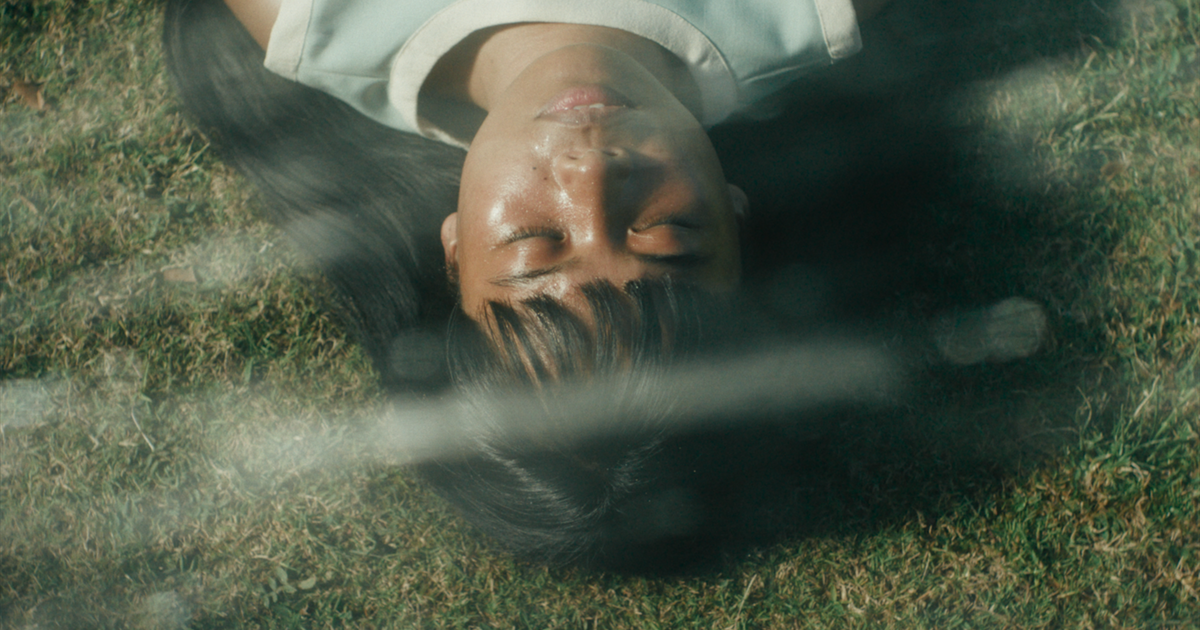
The 73rd Sydney Film Festival opened with the Australian premiere of Silenced, director Selina Miles' documentary about how legal systems are used against survivors of sexual violence and the journalists who report their stories. The film features high-profile cases from three countries: Amber Heard in London, Colombian journalist Catalina Ruiz-Navarro, and Australian political staffer Brittany Higgins.
The documentary combines courtroom footage with behind-the-scenes interviews. It includes human rights lawyer Jennifer Robinson discussing the cases alongside the survivors and journalists involved. The opening night screening at the festival was followed by a celebration at Sydney Town Hall, signaling the festival's support for the film's message.
How Legal Systems Become Weapons
Miles' documentary examines a troubling pattern: the use of defamation law, strategic lawsuits against public participation (SLAPP suits), and forum shopping—choosing favorable courts across different countries—to quiet survivors. By pairing Heard's London case with Higgins' Australian experience and Ruiz-Navarro's situation in Colombia, the film shows this happens in multiple legal systems, not just one.
The film highlights a dynamic many advocates call "secondary victimization." Survivors face lawsuits designed not necessarily to win on facts, but to exhaust their money, energy, and willingness to speak out. In high-profile cases, the litigation itself becomes the headline, often burying the original allegations.
Robinson's role as both interview subject and legal expert provides insight into how these cases fit within international human rights law and protections for press freedom. Her involvement signals how the documentary connects to larger conversations about changing defamation laws and protecting vulnerable witnesses.
The Ripple Effect on Journalism
The film also tracks how legal pressure reaches beyond individual survivors to affect journalists and media outlets. Ruiz-Navarro's case in Colombia shows how threats of lawsuits can discourage reporting on sexual violence altogether. When journalists fear legal retaliation, they become less willing to cover these stories—what critics call a "chilling effect."
The documentary's structure—combining courtroom footage with personal interviews—aims to show the distance between how legal cases look publicly and how they feel privately for those involved. This approach captures tensions that emerge when sexual violence cases play out in public courtrooms, especially those involving high-profile figures.
The timing of this film matters. Right now, lawmakers in several countries are debating whether to reform defamation laws and add anti-SLAPP protections. The documentary arrives not as a historical look back, but as part of these active policy conversations.
Why the Festival's Choice Matters
Choosing Silenced as the opening film for a major festival is itself a statement. Festival organizers typically balance artistic quality with cultural importance, and this selection says the festival wants to engage with debates about legal reform and survivor protection.
For Australian audiences, the inclusion of Higgins' case carries extra weight. Her allegations became a major news story and sparked conversations about workplace culture in Parliament and whether existing systems adequately protect staff who come forward.
The broader context here: cultural institutions increasingly use prominent programming to shape conversations around urgent political issues. That the festival followed the screening with a formal event at Sydney Town Hall suggests institutional commitment to the film's themes beyond just presenting good cinema.
What Could Actually Change
The film's cross-country approach reveals something important: legal tactics used in one country often spread to others. In countries with shared legal traditions (like English common law), decisions made in one place can influence cases elsewhere. This creates what critics describe as an informal network for silencing survivors across borders.
The documentary points to specific legal fixes worth watching for: rules that shift legal costs from survivors to those bringing weak defamation cases, mechanisms to dismiss frivolous lawsuits early, and stronger protections for journalists' sources. These technical reforms rarely grab headlines, but they're the actual levers that change systems.
Several countries are currently considering anti-SLAPP laws and defamation reform. Whether Silenced influences these efforts or simply rides existing momentum is unclear, but its high-profile platform will certainly draw more public attention to these otherwise technical legal questions.
Miles combines personal stories with explanations of how legal systems work, offering a framework for understanding individual cases as part of larger patterns. This approach may shift how future cases are covered—moving beyond focusing on individual personalities to examining structural problems in how courts handle these matters.
The documentary's real impact will likely emerge over time, through its influence on legal reform efforts and how institutions respond when survivors come forward.