Jihadist Attack on Mali Base at San: What Happened and Why It Matters
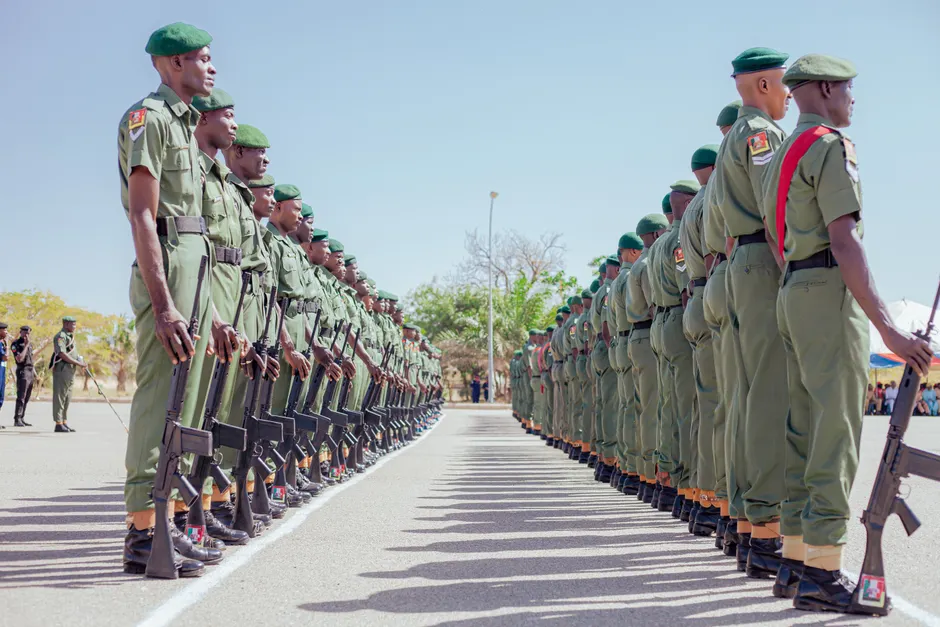
Mali's army repelled a jihadist assault on its military base in the town of San on Sunday, killing around 40 militants, according to Lt Col El Oumrani, commander of the 23rd regiment stationed there. The attack began at roughly 05:00 local time and lasted about two hours. It was claimed by Jama'at Nusrat al-Islam wal-Muslimin (JNIM), an al-Qaeda-linked coalition that has become one of the dominant insurgent forces across the Sahel — the semi-arid region stretching across Africa south of the Sahara BBC.
JNIM asserted that its fighters had taken control of the San base. The Malian army disputed this, but acknowledged that its soldiers had to "retreat temporarily" during the assault. Lt Col Oumrani maintained that the base remained under army control and that approximately 40 "terrorists were eliminated" BBC. These competing claims over who held the installation reflect a familiar pattern in the Sahel conflict, where both sides routinely contest battlefield narratives.
Witnesses quoted by the French broadcaster RFI described attackers arriving on motorcycles and on foot, with some fighters wearing army uniforms to infiltrate the base's perimeter. The Malian army told national broadcaster ORTM that the militants deployed drones, heavy machine guns, and armoured vehicles to breach the site's defenses. The reported use of drones by JNIM elements, if confirmed, would point to a notable increase in the group's tactical sophistication — the ability to coordinate attacks across land and air against fortified positions BBC.
AFP, citing security and local sources, reported that at least 10 soldiers were killed in the fighting and that assailants briefly took over the camp. The gap between the army's framing of a successful repulse and the casualty and control details reported by wire services reflects the difficulty of independently verifying battlefield outcomes in Mali's conflict zones, where access for journalists and monitors is severely restricted BBC.
The San assault fits into a broader and intensifying pattern of insurgent operations across the central Sahel. According to a Reuters report published on June 2, 2025, more than 400 soldiers were killed by insurgents between the start of May 2025 and early June 2025 in attacks on bases and towns across Mali, Niger, and Burkina Faso Reuters. That figure, covering roughly one month, gives a sense of the pace and scale of insurgent operations against regional security forces.
The broader context here matters for assessing what the San attack signals about the conflict's trajectory. JNIM's ability to mass fighters, employ disguise tactics, and deploy advanced equipment against a military garrison suggests the group retains significant operational initiative in central Mali. The reported use of drones and armoured vehicles, in particular, goes beyond the hit-and-run raids typical of earlier phases of the Sahel insurgency, pointing to a higher level of resource acquisition and tactical planning. Mali's military government, which took power after expelling French and UN forces, has staked its legitimacy partly on restoring security. Each successful insurgent probe erodes that narrative of progress and raises questions about the durability of the state's territorial control.
The contested outcome at San, where the army claims it held the base while acknowledging a temporary retreat and suffering at least 10 killed, illustrates the gray-zone nature of these engagements. The episode is neither a clean defensive victory nor a base overrun. It fits a pattern of attritional warfare — a slow grind in which insurgent groups test defenses, inflict casualties, and withdraw, while state forces frame survival as success. The question for regional observers is whether the cumulative weight of such attacks, measured in the hundreds of security-force casualties since May 2025, will eventually force a strategic recalibration by Bamako (Mali's capital) and its partners, or whether the current equilibrium of periodic base assaults and contested claims will persist as the conflict's defining feature.


