British Columbia Declares Emergency as Bald Range Wildfire Forces 20,000 to Evacuate

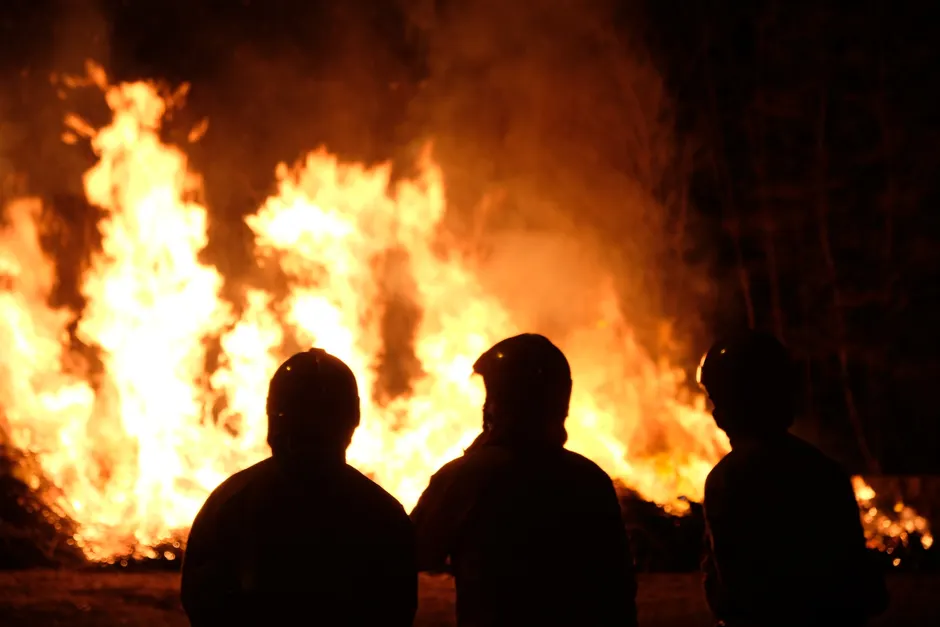
British Columbia declared a state of emergency on August 8, 2026, after the Bald Range wildfire triggered evacuation orders for more than 20,000 residents across the Okanagan region. The fire, burning out of control at roughly 9,500 hectares (23,500 acres), prompted the overnight evacuation of the entire community of Summerland, home to about 12,000 people, along with roughly 8,000 more in and around Peachland to the north PBS NewsHour Reuters.
The Central Okanagan Emergency Operations centre expanded its evacuation orders on August 6 to include the Shelter Cove, Secret Point, and Cinnabar Creek areas in the Central Okanagan West Electoral Area CORD Emergency. As of August 8, orders for properties in the Quilpituk Creek Wildfire area in the same electoral area remained in place, and evacuation orders and alerts stayed in effect across Peachland and Central Okanagan West due to the Bald Range fire CORD Emergency.
The Bald Range fire followed another blaze in the Okanagan, the Bradley Creek fire, which officials believe destroyed more than 200 homes. That fire was reported as being held — meaning crews had built containment lines around enough of its perimeter to stop its spread — following containment work by wildfire crews BBC News. The back-to-back nature of the two fires has placed sustained pressure on emergency infrastructure in a region where wildland-urban interface exposure — the zone where built structures meet forested or grassy land — is acute.
British Columbia's emergency declaration came amid a broader pattern of severe wildfire activity across the Northern Hemisphere in the summer of 2026. In the United States, more than 65,000 people were forced to flee fires in Washington state during the same period. In Europe, devastating fires burned across Spain and France as both countries grappled with drought and record-high temperatures. France experienced its worst fire season in two decades, while officials in Madrid described their 2026 fires as the worst the region had ever recorded BBC News.
Canada's wildfire crisis carries the weight of recent history. In 2023, the country endured its worst wildfire season on record in terms of total area burned. The 2026 Okanagan fires, while not yet matching the national scale of 2023, are testing provincial response capacity in a region that has repeatedly found itself on the front line of interface fire risk.
The broader context here matters for assessing both the immediate operational challenge and the trajectory of the fire season. The Bald Range fire's rapid growth to 9,500 hectares, combined with the fact that it erupted while the Bradley Creek fire was still being contained, points to cascading resource demands on BC Wildfire Service crews and supporting municipal agencies. Evacuating 20,000 people from a relatively concentrated geographic area within hours is a significant logistical undertaking, and the decision to pull the entire community of Summerland overnight indicates that fire behavior was severe enough to override any phased-evacuation calculus — the practice of moving neighborhoods out in stages to manage traffic and resources.
The simultaneous eruption of large-scale fires across British Columbia, Washington state, Spain, and France also raises questions about transatlantic resource sharing. During the 2023 Canadian season, international firefighters were deployed from multiple countries. With fire seasons now overlapping across North America and Europe, the pool of available mutual-aid crews and aerial assets may be thinner than in years when the hemispheric peaks were more staggered. French and Spanish officials describing their 2026 seasons in superlative terms suggests that those countries' domestic resources are already heavily committed, potentially constraining their ability to assist abroad.
For the Okanagan specifically, the destruction of more than 200 homes in the Bradley Creek fire, followed by the Bald Range evacuation, means that the region's 2026 fire season is already producing compounded displacement and infrastructure loss. The area's terrain, dense wildland-urban interface, and seasonal wind patterns make containment difficult even under moderate conditions. The state of emergency declaration gives provincial authorities enhanced powers to coordinate resources, restrict travel, and commandeer equipment, but it also signals that local capacity has been exceeded.
What remains unresolved is whether the Bald Range fire will follow the Bradley Creek trajectory toward containment or continue to expand under current weather conditions. With evacuation orders still active across multiple communities and the fire listed as out of control as of the most recent reporting, the operational picture is still developing.