Ukraine's Deep Drone Strike on a Russian Oil Refinery: What Happened and Why It Matters
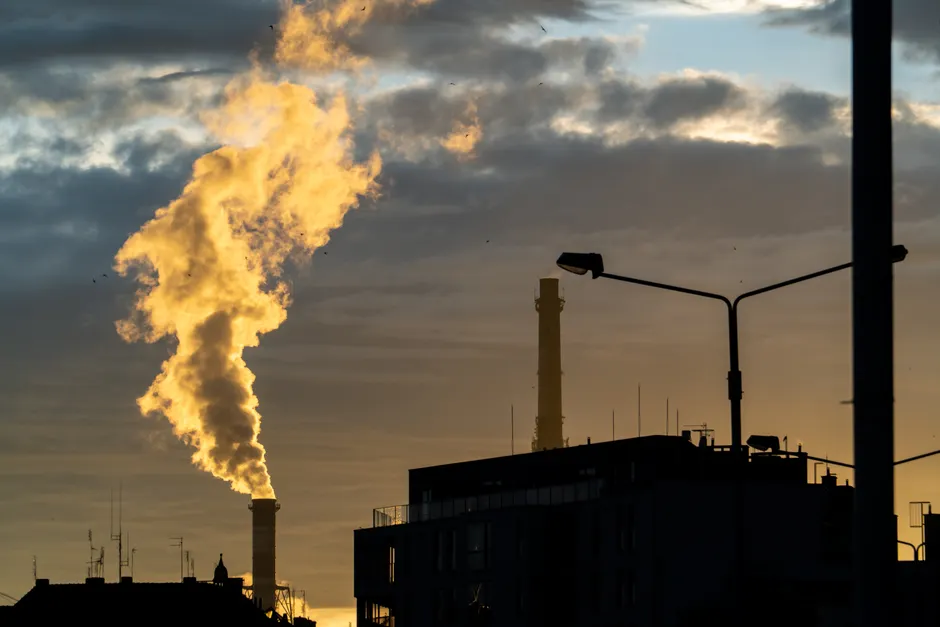
A Ukrainian drone strike on the Russian city of Nizhnekamsk in the Tatarstan region killed at least 13 people, including a child, and wounded dozens more on Monday, according to Russian authorities. The target was the Taneco oil refinery, one of Russia's largest and most advanced refining facilities, located roughly 750 miles (1,200 km) from the Ukrainian border.
Kyiv confirmed the operation. Ukraine's general staff described the strike as part of a broader campaign to reduce Russia's military potential. The Taneco refinery, owned by the company Tatneft, sits at the center of Nizhnekamsk's industrial complex, which also includes plants producing rubber and petrochemical products. Ukraine had previously bombed the same area in June, pointing to a sustained effort to damage fuel infrastructure deep behind Russian lines.
Casualty figures varied across Russian and international reporting in the immediate aftermath. Russian authorities in Tatarstan confirmed 13 dead and 75 wounded. Reuters reported 13 killed and 39 wounded, noting that the dead included Central Asian nationals and a child. CBC cited 13 killed and 48 wounded. The local mayor, Radmir Belyayev, said in a statement that unspecified industrial and civilian targets had been hit.
The head of the Tatarstan region, Rustam Minnikhanov, said a Ukrainian drone struck a hostel in Nizhnekamsk, killing nine people. Minnikhanov declared a day of mourning, and Russian prosecutors opened a criminal case into alleged terrorism following the attack.
The human toll extended beyond Russian citizens. The Uzbek consulate said in a Telegram post that seven of the strike's victims were Uzbek citizens, a reflection of the large number of Central Asian labor migrants working in Russia's industrial heartland. Their presence means this war's reach now touches third-country nationals, people who are neither Ukrainian nor Russian but were caught in the crossfire.
The scale of Ukrainian drone activity across Russian territory was considerable. Russia's defence ministry said it had intercepted 456 Ukrainian drones flying above Russian territory and annexed Crimea. Whether that figure represents a single night's intercepts or a cumulative tally over a broader period was not specified, but the number points to an operational tempo, the pace at which military operations are carried out, that has steadily increased as Ukraine expands its long-range drone production and targeting range.
The Nizhnekamsk strike fits a pattern of Ukrainian attacks on Russian energy infrastructure that have stretched deep into the country's interior, targeting refineries and fuel depots that sustain military logistics. Tatarstan, situated in the Volga region far from the front lines, has been hit before, including the June strike on the same industrial zone. The repetition suggests Ukrainian forces have refined their ability to reach high-value targets at extended range and that Russia's air defense coverage across its vast interior remains porous, full of gaps, against mass drone swarms.
The Taneco facility is a particularly consequential target. As one of Russia's most advanced refineries, it processes substantial volumes of crude oil into refined products that feed both domestic consumption and military supply chains. Repeated strikes on such assets compound the cumulative pressure on Russian fuel availability, even if individual attacks cause damage that can be repaired over weeks or months.
In an address on Sunday, Volodymyr Zelenskyy said long-range sanctions, economic restrictions aimed at pressuring the Kremlin and its war machine, would continue. The statement signaled that Kyiv views economic pressure and kinetic strikes on Russian war-sustaining infrastructure as two complementary tracks of the same strategy.
The broader context here is that Ukraine's deep-strike campaign has evolved from occasional probes into a systematic effort to impose costs on Russia's energy-military complex at distances that challenge traditional air defense assumptions. The inclusion of Central Asian victims in the Nizhnekamsk toll is a reminder that the war's collateral geography now extends well beyond the belligerents' own populations. And the opening of a criminal terrorism case by Russian prosecutors, while a routine procedural step, reinforces Moscow's framing of these strikes as terrorist acts rather than conventional military operations, a characterization Kyiv rejects by grounding its campaign in the logic of degrading an aggressor's war-fighting capacity.
The discrepancy in casualty figures across outlets, ranging from 39 to 75 wounded, reflects the fog that follows any major strike and the difficulty of establishing authoritative counts in real time. Russian regional authorities have generally been the higher-casualty source; international wire services have reported lower interim figures that may lag as hospitals admit additional patients. What is consistent across all reporting is the death count of 13 and the presence of a child among the dead.