Plexus Polaire Brings a Nearly Wordless Dracula to the Edinburgh Fringe

A life-sized puppet replaces a woman as a vampire drains her, and almost nothing is said aloud. That is the premise of Dracula: Lucy's Dream, the award-winning company Plexus Polaire's contribution to the 2026 Edinburgh Festival Fringe, running at the Lennox Theatre in the Pleasance at EICC venue from 6 to 29 August.
Directed by Yngvild Aspeli, the production takes a single thread from Bram Stoker's novel and follows it in isolation: the undoing of Lucy Westenra, the young woman the Count preys upon across the original story's early chapters. Rather than dramatise the whole novel, the show stages Lucy's decline as a self-contained piece — and it does so almost entirely without spoken language, relying on puppetry and physical performance to carry the narrative.
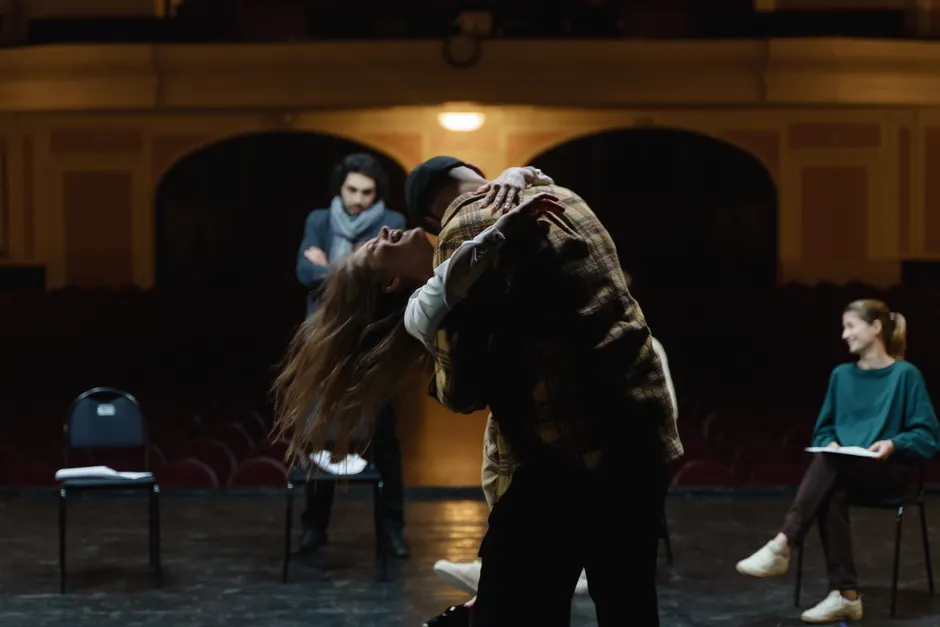
The central device is the most striking element. As Lucy is drained by Dracula, a life-sized puppet takes her place on stage, standing in for the character as her vitality ebbs. The company, described as award-winning on its official Fringe listing, uses the swap as the production's visual and emotional engine. Daily performances are at 17:30, tickets start at £19.50, and the age guideline is 14+.
What gives the show its distinctive texture is that refusal of speech. Puppetry on the Fringe is nothing new — the festival's open-access model means physically inventive, word-light work surfaces every August. But Plexus Polaire's approach pushes further than most, stripping the story down to image, gesture and the uncanny presence of the puppet itself.
WhatsOnStage, reviewing the production on 11 August, judged the roughly hour-long show repetitive and lacking a strong narrative arc. The review's assessment is that the concentrated focus on a single character's deterioration, performed without dialogue, does not sustain its running time — the concept, in other words, outpaces the structure built around it.
That verdict is one publication's, and Fringe audiences are famously their own judges. The Edinburgh Festival Fringe — the open-access arts festival that turns the city into the world's largest performance programme every August — lets ticket-holders decide directly, with no curating jury between the venue and the paying public.
For anyone heading to the Pleasance at EICC this month, the draw is clear: an internationally regarded puppet-theatre company taking on one of English literature's most familiar horror stories, and telling it through the body of a puppet rather than the voice of an actor. Whether that compression holds for a full hour is the question the production is now answering, nightly, in the Lennox Theatre.