A Student Grew Cocoa in Britain and Made the First All-British Chocolate Bar Since 1932
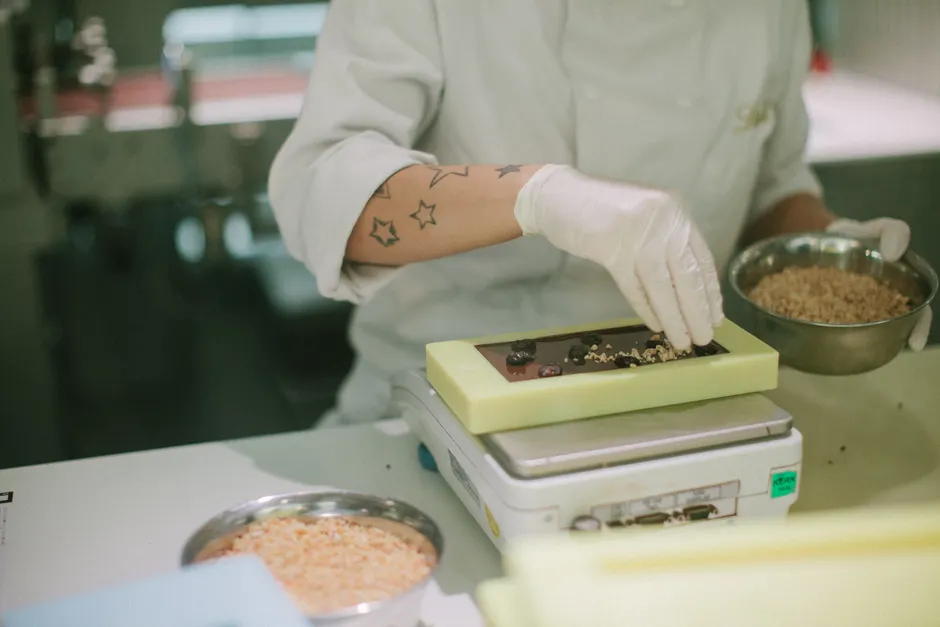
A master's student at the University of Reading has produced the first chocolate bar made entirely from British-grown cocoa beans since 1932, when Rowntree's presented a similar bar to the late Queen Elizabeth as a child. Maha Khan harvested, fermented, and processed the cocoa at the university's food department, using beans grown in a climate-controlled facility on the Reading campus. The bar was created to mark the University of Reading's centenary (The Guardian).
Only six bars have been produced so far, and further output depends on bean availability. A single cocoa pod can take six months to mature, which limits how quickly production could be scaled up (The Guardian).
The cocoa beans come from plants housed at the University of Reading's International Cocoa Quarantine Centre. The centre holds more than 300 varieties of cacao and handles 97% of the world's international movement of cocoa plant material. It serves as a critical biosecurity checkpoint in the global cocoa supply chain, screening plant material for pests and diseases before it reaches producing countries. Beans for the centenary bar were grown within this controlled environment before being cracked open for harvest (The Guardian; Daily Mail).
Raw cacao beans are coated in a white pulp that tastes like lychee. When that pulp ferments, it sets off chemical changes that create the flavour precursors behind chocolate's characteristic taste. Khan carried out this fermentation process in the university's food department (The Guardian).
The UK chocolate market is worth £10.4 billion and depends entirely on imported cocoa. The last time a fully British chocolate bar was made was in 1932, when a cacao tree sprouted in a UK hothouse associated with Rowntree's confectionery, yielding enough beans for a single bar given to the late queen (The Guardian; The Takeout).
The history of British chocolate production runs from J.S. Fry & Sons, which in 1847 unveiled a solid block made from cocoa powder, sugar, and cocoa butter, through to this centenary bar produced under controlled agricultural conditions in Berkshire (Knowable Magazine).
The bar arrives against a backdrop of sustained pressure on global cocoa supply. Cocoa plants are highly sensitive to temperature and rainfall variability, and climate change is disrupting production in major growing regions. Chocolate prices have risen as high temperatures and extreme rainfall hit yields in West Africa and elsewhere (The Guardian).
The broader context here is one of supply-chain fragility. The UK's total reliance on imported cocoa means that price shocks and crop failures in producing countries transmit directly to one of the largest confectionery markets in Europe. The Reading quarantine centre's role in maintaining the genetic diversity and disease-free status of global cacao germplasm gives this story a significance beyond the novelty of a locally grown bar. Think of the centre's 300-plus varieties as a living library of cacao genetics: if a disease wipes out one type of cacao, breeders can draw on that library to develop resistant strains. The ability to grow, ferment, and process beans in a temperate, climate-controlled environment points to the kind of agricultural resilience strategies that may become more relevant as equatorial growing conditions degrade.
Whether this translates into commercially viable domestic production is a separate question. Six bars from a university facility is a proof of concept, not a supply chain. The six-month pod maturation cycle, the energy costs of climate-controlled cultivation, and the sheer volume of cocoa the UK market consumes each year all place hard limits on what can be replicated at scale. What the bar does provide is a tangible illustration of the intersection between food security, climate adaptation, and the often invisible infrastructure, like the Reading quarantine centre, that supports global agriculture.