The 'Inglorious Twelfth': Scottish Greens Call for Grouse Shooting Ban as Wildfires Ravage UK Moorlands
The Scottish Green Party has called for the Glorious Twelfth — the traditional 12 August opening of the grouse shooting season — to be banned, citing the role of intensive moor management in worsening the wildfires that scorched UK moorlands during the summer of 2026 (The Guardian).
The call lands on a day when climate-driven extreme heat and long-running disputes over land use have rarely been so sharply focused. Wildfires raged across UK moors this summer, destroying habitats and incinerating wildlife after record-breaking heat turned the landscape into a tinderbox. The late-June 2026 heatwave was the most severe ever recorded in Europe, and scientists attributed it to human-caused global heating — an event they concluded would not have been possible without it (The Guardian).
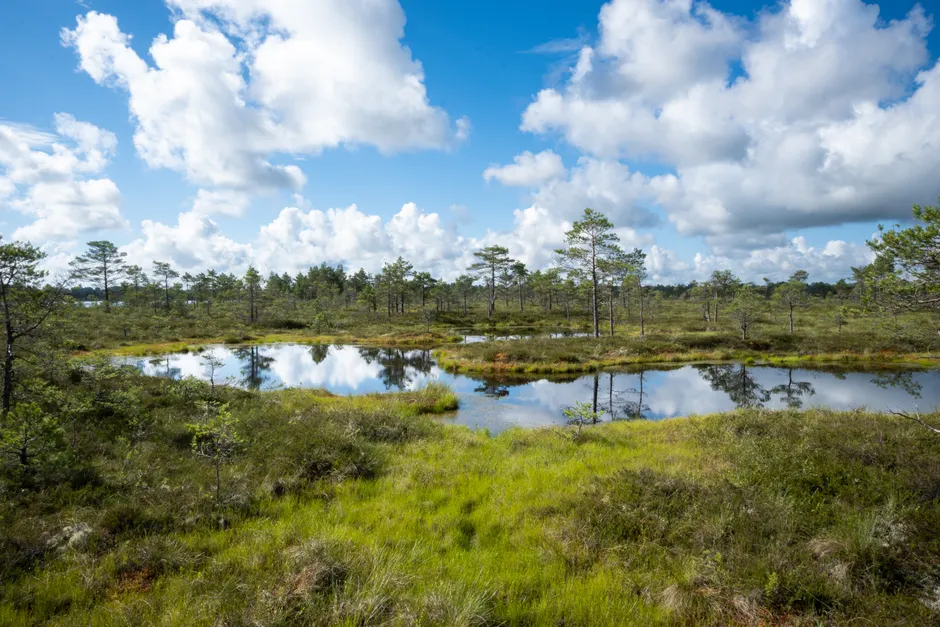
Environmental experts argue that the management practices used to prepare grouse moors create the very conditions that make those wildfires catastrophic. Intensive grouse moor management involves draining peatland — the waterlogged, carbon-rich soil that covers much of Britain's uplands — and burning the vegetation growing on it. When peat dries out, it acts as fuel, smouldering for long periods and making fires almost impossible to extinguish. Think of peat as a sponge: when wet, it holds water and suppresses fire; when drained, it becomes a combustible layer that burns underground and resists all conventional firefighting (The Guardian).
The UK government has already taken partial action, banning the burning of vegetation on deep peat to preserve wildlife habitats. A stronger regulatory framework for moorland burning will operate from September 2026, when burning will only be allowed under licence — meaning landowners must seek official permission (RSPB). But conservation groups argue this does not go far enough. The RSPB, the UK's largest conservation charity, has called for an immediate ban on the burning of blanket bog in England to restore wildlife and prevent further losses (RSPB), and is pushing for grouse shooting itself to be licensed, citing harm to raptors (birds of prey such as hen harriers), peatlands, and upland wildlife (RSPB). The organisation has warned that failure to deliver effective reform will result in it calling for a full ban on driven grouse shooting, where birds are flushed toward waiting guns (RSPB).
The UK government, however, remains resistant. During a Westminster debate on driven grouse shooting, Defra Minister Daniel Zeichner repeated the government's position that it has no plans to ban the practice (RSPB). That stance persists despite accumulating pressure — a 2016 petition gathered more than 80,000 signatures calling for a ban on grouse shooting (BBC News), and a conservation group has previously proposed a green levy on grouse estates to incentivise landowners to repair peatlands, restore woodlands, and cut carbon emissions (The Guardian).
The 2026 season itself is under strain. Chef Richard Corrigan, owner of Corrigan's and Bentley's in Mayfair, reported that grouse were in short supply this year, with the season running about a week and a half late and birds smaller and fewer. Corrigan also refuses to buy grouse from any moor associated with raptor persecution — the shooting or poisoning of birds of prey to artificially boost grouse numbers (The Guardian).
The broader context here is one of converging pressures. The immediate trigger for the Greens' call — a wildfire season that has devastated upland ecosystems across the UK — connects to a structural debate about land use that has been building for years. Peatlands are the UK's largest carbon sink, meaning they store more carbon than any other habitat type, and the scientific case for their restoration is well established in climate policy circles. What is shifting is the political and economic risk calculus. A licensed burning regime from September 2026 will impose new constraints on landowners, but the gap between incremental regulation and the outright bans demanded by the RSPB and the Scottish Greens remains wide. The RSPB's explicit threat to escalate to demanding a full ban on driven grouse shooting if reforms prove inadequate places a clear deadline, however informal, on the effectiveness of the licensing approach.
For landowners and the shooting industry, the combination of climate impacts — reduced bird numbers, delayed seasons, smaller grouse — and tightening regulation suggests a sector under compounding stress. For conservationists, the 2026 wildfire season provides a vivid, empirical case that decades of warnings about peatland drainage and rotational burning were not abstract. The question now is whether the September licensing framework will be treated as a sufficient reform or merely a waypoint toward more restrictive measures.


