Jaguar Reveals the Type 01 Interior: A Cabin Built Around a Central Spine
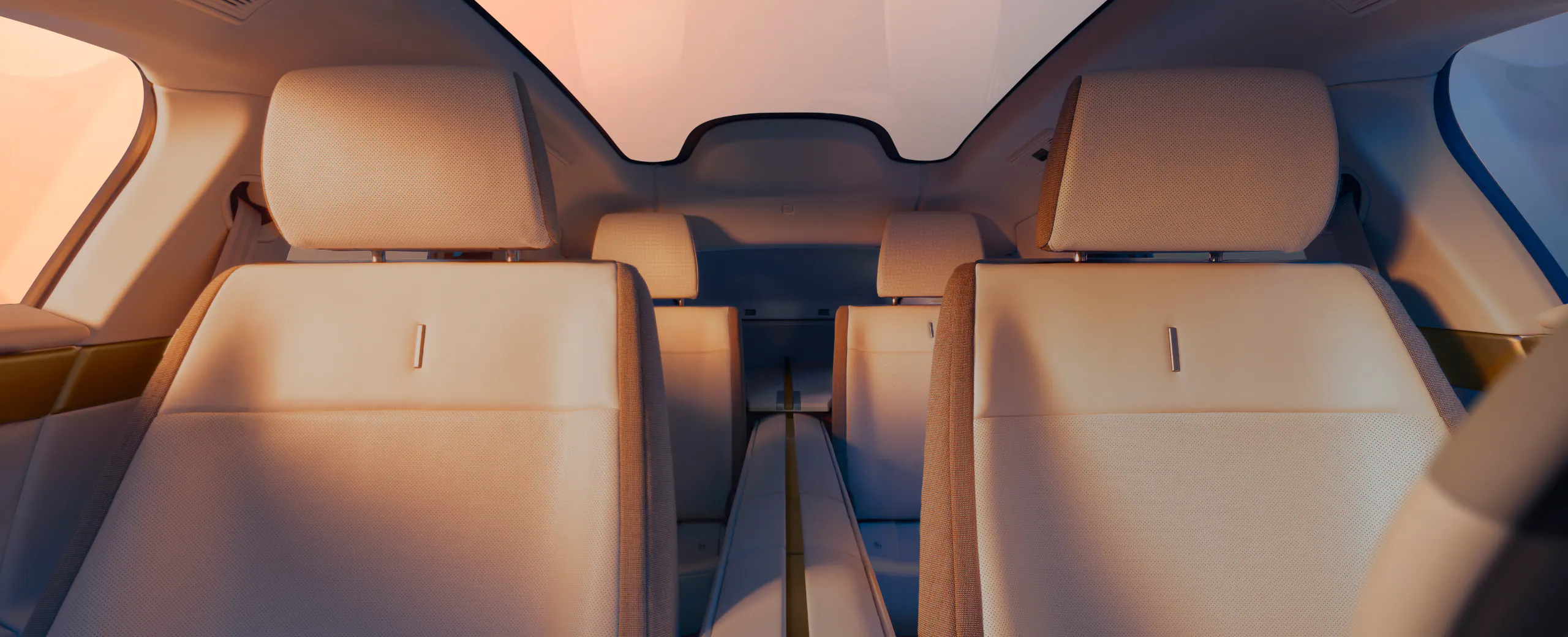
Jaguar has revealed the interior of its all-electric Type 01 for the first time, showing a cabin organized around a full-length central "spine" that separates the vehicle's four seats into individual spaces. The reveal took place on 12 August 2026 in Gaydon, UK, via a press release Jaguar titled "Architectural Drama" (Jaguar Media), with additional details and photographs published the same day by The Verge (The Verge) and Top Gear (Top Gear).
The Type 01 is the first production vehicle built on Jaguar's new Electric Architecture — the underlying platform, or structural foundation, designed specifically for battery-electric vehicles. It follows the Type 00 concept car that Jaguar first showed in 2024, which drew intense and divided reactions. The production car's name and exterior shape were displayed publicly for the first time in Monte Carlo, Monaco, but the interior stayed hidden until now.
The cabin's defining feature is that central spine, which runs the full length of the interior and features brass-inspired detailing (Top Gear). Jaguar describes the structure as creating four individual spaces and what it calls "a deeply immersive cabin environment" (Jaguar). The interior is finished in beige, a choice that, combined with the low-slung driver's seat and slim dashboard, gives the cabin a deliberately minimalist, almost architectural quality in the released photographs.
Several conventional interior elements have been removed or relocated. The Type 01 does not have a traditional rear-view mirror. In its place, Jaguar has installed a "ClearSight Rear View Display" — essentially a digital screen at the bottom of the windshield showing a camera feed from the rear of the car, positioned at the same height as the door mirrors (The Verge). The dashboard itself is slim, with what Jaguar's images show as a smartphone-style display mounted in the center, leaning into the visual language of mobile devices rather than the wide, landscape-oriented screens that have become common in premium electric vehicles.
Jaguar also says the Type 01 includes "concealed compartments" and "hidden-until-needed technologies," though the company has not specified what those technologies are or how they function. The phrasing suggests interfaces or features that stay dormant or visually integrated until actively engaged, but the details are not yet public.
Jaguar has published an official image pack for the Type 01 interior on its media site, including overhead and "Leaper" images in high- and low-resolution formats (Jaguar Media), giving journalists and the public the first unobstructed views of the cabin layout.
The full reveal sequence is staggered. Jaguar planned to show a camouflaged Type 01 prototype at Monterey Car Week ahead of the car's official unveiling on 6 October. The interior disclosure at Gaydon is, in effect, an early look at the cabin ahead of that broader public rollout.
The broader context here is Jaguar's brand transformation, which the company frames under a creative philosophy it calls "Exuberant Modernism." The company has rooted this reinvention in a quote attributed to founder Sir William Lyons: "A Jaguar should be a copy of nothing." The Type 01, as the first production car on the new electric platform, is the physical embodiment of that directive, and the interior choices make clear that Jaguar is willing to discard long-standing cabin conventions to differentiate.
In this author's view, the interior choices tell us more about Jaguar's strategic posture than about automotive technology per se. The central spine is not a packaging necessity for an EV platform — the flat battery pack that sits beneath the floor of most electric vehicles does not require a dividing structure running through the cabin. It is a design statement that prioritizes visual identity over cabin flexibility. Removing the rear-view mirror in favor of a digital display is now technically straightforward, but positioning it at door-mirror height rather than the conventional upper-windshield location is a deliberate ergonomic departure that will need real-world validation. And the "hidden-until-needed technologies" phrasing, while intriguing, is the kind of language that invites scrutiny once the car reaches reviewers' hands. For a brand whose last concept polarized audiences, the production interior's success or failure will hinge on whether the drama translates into usable, livable space, or whether it reads as theater without function.
What this enables, if the execution holds, is a genuinely distinct cabin identity in a market where premium EV interiors have converged on a familiar formula of wide floating screens, minimal hard buttons, and ambient LED accents. Jaguar is betting that buyers will respond to something that looks like nothing else on the road. October's full reveal will show whether the rest of the car carries through on that promise.


