300 Detainees Strike Over Conditions at New Jersey Immigration Facility

Detainees Refuse Food and Work at Delaney Hall
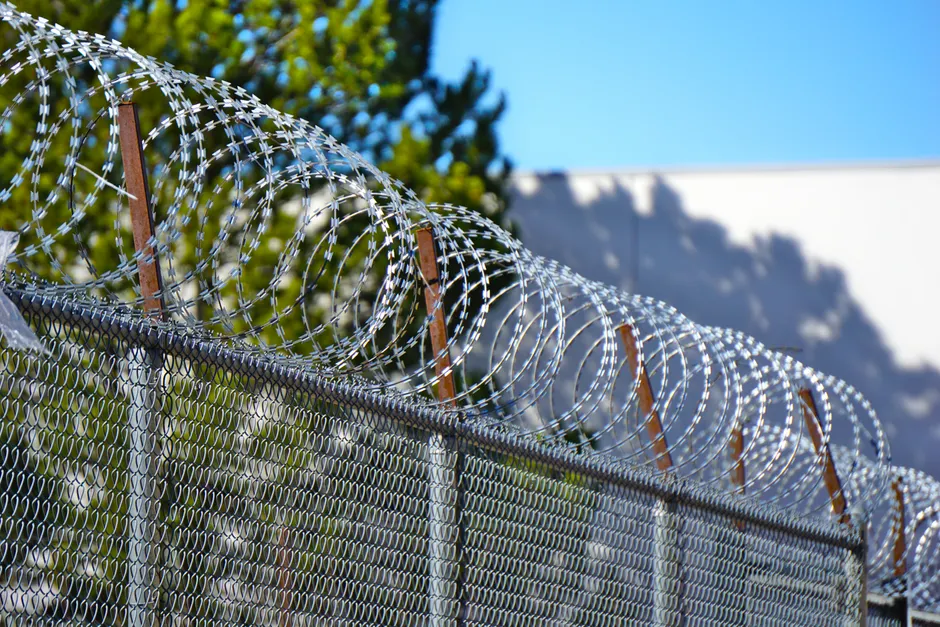
About 300 people held at Delaney Hall, a privately run immigration detention facility in Newark, New Jersey, stopped eating and refused to work on May 22, 2026, according to New Jersey Monitor. They acted together to protest conditions inside the facility. The fact that roughly 300 people participated suggests this wasn't a spontaneous action — there was a widely shared complaint that drove the coordination.
Delaney Hall is operated by the GEO Group, one of the two largest private prison and detention companies in the United States. It works under contract with U.S. Immigration and Customs Enforcement (ICE). The facility reopened in early 2025 when federal authorities wanted to expand detention capacity as immigration enforcement intensified. Even before detainees arrived, the reopening drew legal challenges and community opposition — a sign that tension was already building.
Why This Kind of Strike Matters
A hunger strike in an immigration detention setting carries particular weight because of how these facilities legally operate. People held by ICE are detained administratively — they're awaiting removal proceedings or decisions about their legal status — rather than being convicted of crimes. This distinction matters because it theoretically means they have stronger legal protections under the Constitution's Due Process Clause. In practice, though, oversight is scattered across multiple agencies, enforcement is uneven, and detainees have fewer legal tools to pressure facility management than people in criminal prisons do.
A labor strike adds another dimension. ICE detention facilities rely heavily on a voluntary work program where detainees are paid $1 to $3 per day to do food service, laundry, cleaning, and maintenance. Advocates argue this is essentially coerced labor — the "voluntary" part is questionable when people are confined with limited alternatives. When hundreds of workers stop showing up, the facility suddenly struggles to function. That operational disruption is why the labor component becomes a powerful tactic.
What Detainees Are Complaining About
The complaints from Delaney Hall match a pattern seen at other GEO Group facilities across the country: inadequate medical care, poor food quality, not enough access to lawyers, and dirty conditions. These aren't new issues, and that repetition tells us something important — these are not just problems at one facility. They point to larger structural failures across the system.
We've seen similar strikes before. Detention centers in California, Georgia, and Washington state have all had hunger strikes over comparable conditions. Each time, local advocates push back, members of Congress ask questions, federal inspectors investigate, and sometimes there are minor improvements. But often conditions drift back to their previous state within a year or two. The question now is whether conditions at Delaney Hall will follow that same pattern or whether something will break the cycle.
How the Detention System Is Organized
The current administration has made expanding ICE detention capacity a priority. Congress has appropriated money, and the administration has redirected existing funds, to push the system toward holding over 40,000 people on any given day. That massive growth strains everything: meeting facility standards, hiring enough staff, and providing legal help to detainees. Facilities that had been closed because of known problems — including Delaney Hall — have been brought back online to absorb this population surge.
Both GEO Group and CoreCivic, its main competitor, operate under rules called Performance-Based National Detention Standards (PBNDS) set by ICE. These rules cover how grievances are handled, how discipline works, and how medical care is provided. ICE inspects facilities to check compliance. But outside observers, including the Department of Homeland Security's inspector general office, have found these inspections lack teeth. They often come with advance warning, and facilities sometimes report their own data rather than having inspectors verify it independently. This gap — between what the rules say should happen and what actually gets checked — is where problems like those driving the strike take root.
The current political climate in New Jersey also matters. The state passed a law in 2021 limiting new immigration detention contracts at the county level. Delaney Hall operates under a municipal contract instead, which itself has been challenged in court. Civil rights groups including the American Civil Liberties Union of New Jersey have been actively litigating around the facility's operation and conditions. This means the strike will likely produce evidence that could be used in ongoing or future lawsuits.
Federal lawmakers from New Jersey have also previously demanded that ICE and GEO Group open their books on facility inspections and transparency. Whether the May 2026 strike prompts new Congressional hearings, inspector general investigations, or budget restrictions will depend on how long the strike lasts, whether detainees suffer serious health problems, and how much media attention it gets.
What Typically Happens Next
Detention hunger strikes usually follow one of a few paths. Sometimes facility management negotiates informally with strike leaders or their lawyers and makes some concessions. Sometimes ICE issues a statement saying conditions meet the rules while the strike fades away. Or, if some detainees become seriously ill, the facility may force-feed participants or send them to hospitals — a move that creates legal and public relations problems for ICE and the operator.
For the detainees, the calculation is difficult. Hunger strikes in civil detention are serious actions, weighed against the risk of health damage and possible retaliation. The fact that roughly 300 people chose to take that risk together signals how serious they believe their conditions are.
This one strike won't by itself reshape how ICE runs detention. But it adds to a growing record that advocates, lawyers, and oversight officials are building — a record that, over time and with uneven progress, has eventually pushed conditions forward in the places where the United States holds people who have not been found guilty of any crime.