Apple Will Split the iPhone 18 Launch Across Two Release Windows, Supplier Confirms
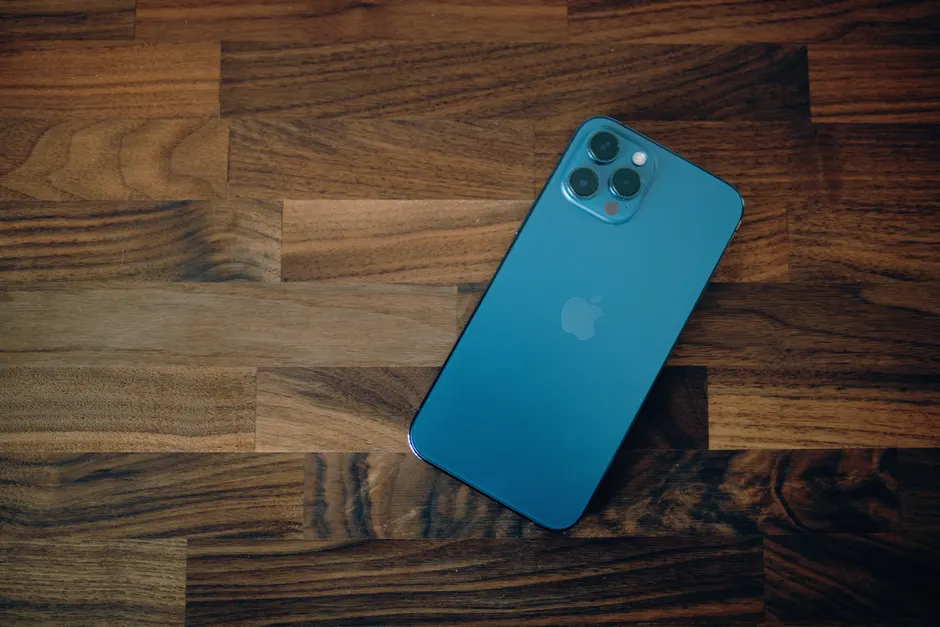
Pegatron executives confirmed during an earnings call that Apple's iPhone 18 Pro series will launch this fall, while the base iPhone 18 won't arrive until the first quarter of next year. The confirmation, first reported by Taiwan's Economic Daily News and surfaced by MacRumors, lines up with earlier reporting from analyst Ming-Chi Kuo and The Information that Apple planned to stagger its 2026 iPhone releases rather than ship the full lineup at once.
The staggered schedule means Apple's fall event will focus on premium devices. MacRumors expects the iPhone 18 Pro and iPhone 18 Pro Max to launch alongside the iPhone Fold, Apple's long-rumored foldable device, in September 2026. MacRumors pegs Wednesday, September 9, 2026 as the most likely announcement date for the iPhone 18 Pro and the foldable, which is reportedly branded as the "iPhone Ultra." The regular iPhone 18, a lower-end iPhone 18e, and the iPhone Air 2 are expected to be announced around March 2027 rather than during the fall window, according to MacRumors.
This is an unusual launch cadence for Apple. The company has historically introduced its full iPhone lineup at a single September event, with all models shipping within weeks of each other. Splitting the lineup across two events six months apart breaks a pattern that has held since the iPhone 6 and iPhone 6 Plus in 2014, when Apple first introduced a two-model strategy. The decision to separate premium and entry-level tiers into different launch windows suggests Apple is willing to treat its product matrix as independently scheduled product families rather than a single annual release.
The EDN report cites Pegatron executives attributing the shifted schedule to memory and chip shortages. Peak shipping seasons are moving as customers like Apple spread out component procurement and prioritize higher-priced models with larger margins. Another Apple supplier said earlier this year that one of its customers was postponing a phone launch to early 2027, as The Verge reported in June. The supplier did not name Apple at the time, but the timeline aligns with what Pegatron has now confirmed.
Prioritizing the Pro and Ultra models during a constrained supply environment is a straightforward margin play. Premium iPhones carry higher per-unit profit, and launching them first captures the peak holiday demand window. The base iPhone 18 and iPhone 18e, with thinner margins, shift to a March 2027 slot where they face less competition from Apple's own premium tier. The foldable entering the lineup this fall adds further complexity, as foldable displays and hinge mechanisms compete for the same advanced manufacturing capacity as other premium components.
Apple has not officially confirmed any of these dates or the staggered schedule. The information comes from supplier executives speaking on earnings calls and from analyst reporting over the past year. Apple typically announces its fall event invitations in late August or early September.
Looking at the supply chain signals as a whole, two things stand out. The component shortage narrative is not new; we heard similar explanations during the 2020 and 2021 launch cycles when COVID-related disruptions forced Apple to stagger iPhone 12 shipments by several weeks. What is different here is the deliberate separation across two fiscal quarters rather than a delayed-but-unified launch. The foldable also appears to be driving at least part of the schedule. Earlier reporting from The Verge noted that staggering the lineup could give the foldable device dedicated stage time without being overshadowed by a full slate of standard iPhones.
For developers and accessory makers, the staggered launch creates two certification and compatibility windows instead of one. Case manufacturers, in particular, will need to tool up for the foldable form factor in September and then re-tool for the base iPhone 18 and iPhone Air 2 in March. Enterprise procurement teams that refresh on annual iPhone cycles may need to decide whether to adopt the Pro models this fall or wait for the full lineup, including the lower-cost options, in 2027.
The iPhone Ultra foldable launching alongside the Pro line gives Apple its most differentiated fall iPhone lineup in years. Whether the base-model delay signals a permanent shift to staggered releases or a one-year response to supply constraints will become clearer once Apple finalizes its 2027 calendar.


