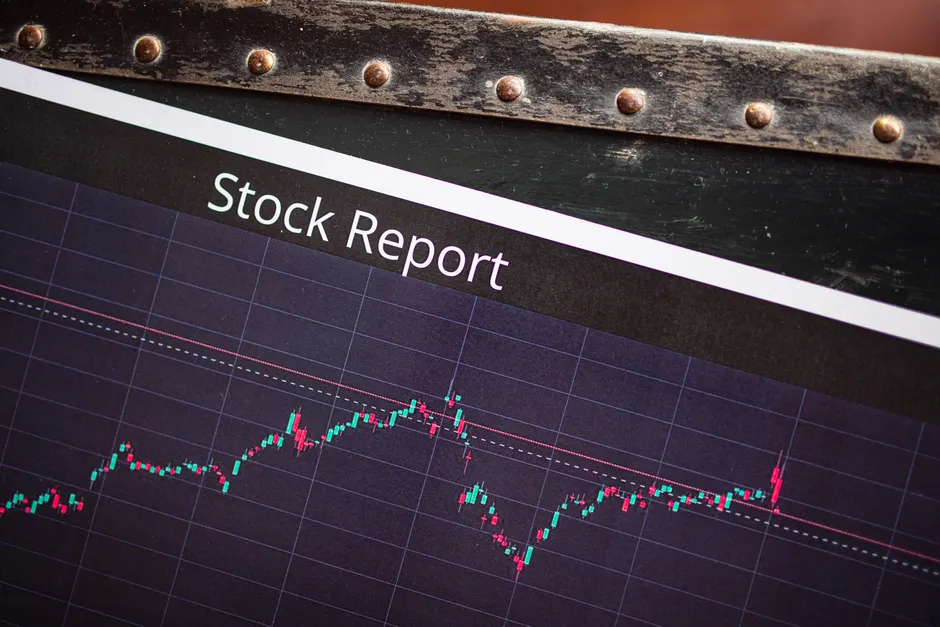
Japan's Nikkei 225: A Chip-Driven Rally and Its Risks
Japan's Nikkei 225 closed at 67,524.06 on August 12, 2026, up 553.84 points or 0.83%, while the broader Topix index gained 0.94% to finish at 4,139 in post-holiday trading on the Tokyo Stock Exchange (Trading Economics). The advance was led by chip and electronics stocks, according to a Wall Street Journal report on the session (WSJ).
The Nikkei 225 is a price-weighted index, meaning companies with higher share prices carry more weight in the index calculation, regardless of their total market value. The Topix, by contrast, weights companies by their total market capitalization, so it reflects broader market participation rather than a handful of large names.
Chip-sector leadership has been a consistent thread through recent Tokyo sessions. On July 23, 2026, the Nikkei rose 0.6% with chip stocks at the front, led by Renesas Electronics, which gained 1.81% (WSJ). Four days later, on July 27, South Korean memory chip maker SK Hynix closed up 3.3% and Samsung Electronics finished 1.8% higher, with European chip stocks also advancing on a pause in Mideast fighting (WSJ). The semiconductor complex has effectively carried the index through the summer.
That leadership has also amplified volatility. On May 27, 2026, the Nikkei 225 closed at 64,999.41 after rising as much as 2.2% intraday to a record high of roughly 66,000 points before retreating, as the AI-driven rally sparked caution among investors (Reuters). A month later, on June 30, the index advanced 0.86% to close at 70,062.32, capping its best quarter on record on a tech rebound (Reuters). Then on July 17, the Nikkei sank 4.03% to close at 64,141.12 after falling as much as 6.18% intraday, entering correction territory — a decline of roughly 10% from a recent peak — amid a tech selloff and Middle East conflict (Reuters). The swing from the June 30 record quarterly close to the July 17 correction is a roughly 8.5% drawdown in just 12 trading sessions, driven almost entirely by the same chip and electronics names that had powered the rally.
The August 12 close at 67,524 sits between those two extremes. It is roughly 3,500 points below the June 30 close of 70,062 and about 3,400 points above the July 17 correction close of 64,141. The market has partially retraced the selloff but has not reclaimed its second-quarter highs. The Topix, at 4,139, outperformed the Nikkei on a percentage basis, suggesting breadth beyond the mega-cap tech names that dominate the price-weighted Nikkei.
The longer arc is worth noting. The Nikkei's record-high run in 2026 builds on gains from the prior year. On August 12, 2025, the index surged 2.2% to close at 42,718.172, its highest close ever at the time, after touching 42,999.71 intraday, with SoftBank leading a tech surge (Reuters). On January 13, 2026, the Nikkei jumped as much as 3.6% to a record intraday level of 53,814.79 and closed 3.1% higher at an all-time high (Reuters). From the August 2025 close of 42,718 to the June 2026 close of 70,062, the index gained approximately 64% over ten months, with the bulk of that advance concentrated in semiconductor and AI-exposed names.
The broader context here is that Tokyo's market has become a high-beta play on the global semiconductor cycle. In finance, "beta" measures how much an asset moves relative to the broader market — a high-beta stock tends to rise faster than the market in good times and fall harder in bad times. When chip stocks catch a bid, the Nikkei outperforms regional peers; when they falter, the correction is swift and deep. The August 12 session fits the pattern: a modest gain led by the same sector that has driven both the year's record highs and its sharpest pullbacks. For market participants, the relevant question is not whether the index is up or down on a given day, but whether the chip complex can sustain its leadership without triggering another air pocket like the one on July 17.
Two external variables complicate that picture. The Middle East conflict cited as a factor in the July 17 selloff remains a risk overlay for sentiment across Asian markets. And the AI-driven rally that pushed the Nikkei to record territory in May and June has already prompted caution about valuation — the price investors are willing to pay relative to a company's earnings — stretched to levels that invited the subsequent correction. The August 12 close does not resolve either tension; it simply confirms that buyers are willing to step in at these levels, at least for now.