What Happened to Air India Flight 171: A Crash Investigation Explained

What Happened to Air India Flight 171: A Crash Investigation Explained
On June 12, 2025, at 1:39 p.m. local time, Air India Flight 171 crashed near Ahmedabad, India, just minutes after taking off. The plane, a Boeing 787-8 Dreamliner, was headed to London when it went down. Of the 242 people on board, 241 died. The crash also killed people on the ground, bringing the total death toll to at least 270, according to BBC News and Euronews. It ranks among the deadliest aviation disasters in modern Indian history, and investigators are still working to understand what went wrong.
India's Aircraft Accident Investigation Bureau (AAIB) is leading the investigation. They follow international rules set by the International Civil Aviation Organization (ICAO) to determine what caused the crash. A preliminary report was recently released, offering the first official clues about the plane's final moments.
The Key Technical Finding
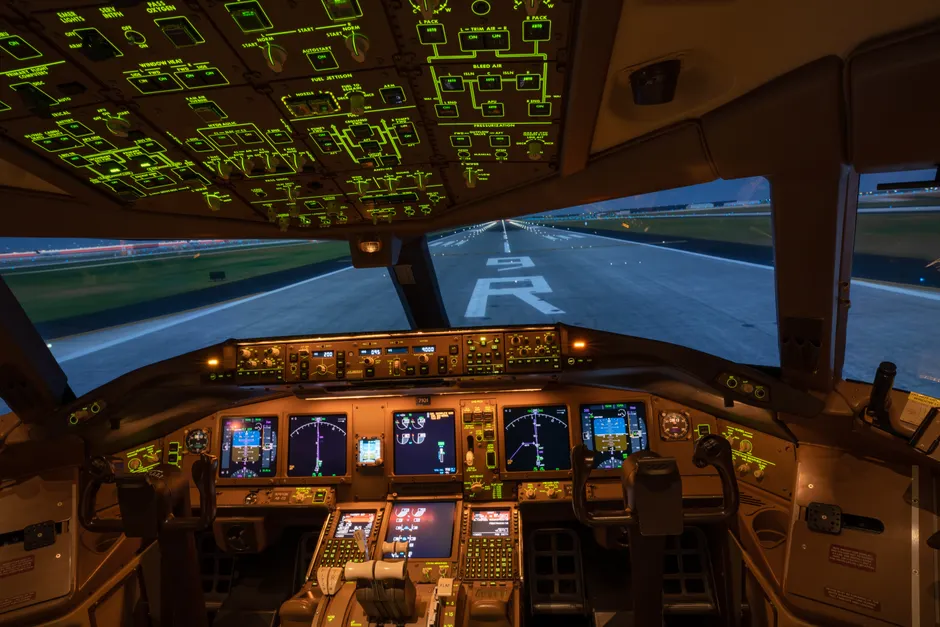
The preliminary AAIB report identifies one critical detail: the aircraft's fuel control switches changed position during or right after takeoff. Think of these switches as the pilot's way of telling the engines how much fuel to burn. When they move to the "cutoff" position, they shut off fuel flow to the engines — like turning off the valve on a gas burner. If this happens during takeoff, when the plane is at its most vulnerable, the engines lose power and the plane can't climb.
According to Reuters, the plane started losing altitude before it even left the airport boundary. That timing — switches moving, then the plane dropping — fits with what would happen if the engines suddenly lost power right at takeoff.
What investigators still don't know is why the switches moved. Did the pilot accidentally move them? Did a mechanical part break? Did an electrical malfunction send a false signal? Those answers will determine what went wrong and how to prevent it from happening again.
The Boeing 787 and the Route
The Boeing 787-8 Dreamliner is a large, long-range passenger jet introduced in 2011. This particular plane was registered to Air India as VT-ANB. The route from Ahmedabad to London is a long one — roughly 7,000 nautical miles — so the plane needed to carry nearly a full load of fuel. That much weight and fuel makes the plane vulnerable during the early climb after takeoff; if something goes wrong with the engines at that moment, there's little room for error.
All 242 people aboard — passengers and crew — were on the flight. Britannica and People confirm that 241 died in the crash itself. The remaining deaths occurred on the ground, struck by debris or caught in the resulting fire.
What Regulators Did Next
In the weeks after the crash, Air India cut its international long-haul flights by 15 percent while it completed safety checks ordered by India's civil aviation regulator, the DGCA, according to Britannica. That's not routine maintenance — it's a significant disruption to an airline's operations, and it signals how seriously regulators viewed the potential safety concern.
The broader context here matters. India's aviation sector has faced international questions about regulatory oversight and safety standards. Air India, newly privatized and rapidly expanding its fleet of large jets, is at the center of that attention. A crash of this scale during a period of expansion creates intense pressure: on the airline's internal safety systems, on the regulator's credibility, and on India's reputation with other countries that share aviation safety responsibilities.
How the Investigation Works
India signed the Chicago Convention, an international agreement that sets rules for air safety. The AAIB investigation follows those international rules, which are called Annex 13. Under these rules, experts from the plane's manufacturing country (the United States), the country where the airline is based (India), and the destination country (the United Kingdom) all participate. Boeing provides technical expertise as well. This international cooperation helps ensure that all relevant knowledge and perspective shapes the investigation.
A preliminary report like this one is released within 30 days of a major accident if investigators think the full investigation will take longer than a year. The report states only facts — what happened — not conclusions about why. The final report, which takes much longer, assigns probable cause.
We've seen this pattern before. After the 2013 Asiana Airlines crash at San Francisco International Airport — another widebody jet accident with a complex departure — early reports focused on what happened without explaining why. It took more than a year to piece together the full story. The Ahmedabad investigation will likely follow the same timeline, with new facts emerging gradually before a final explanation arrives months or even a year from now.
What's Still Unknown
The preliminary report raises more questions than it answers. Why did those fuel control switches move? Did the pilot move them by accident? Did a mechanical part fail? Did an electrical problem cause the switches to move on their own? Each possibility would require different fixes — better pilot training, repairs to the switch design, or changes to the electrical system.
The plane's black boxes — the flight data recorder and cockpit voice recorder — will be crucial. They record detailed information about how the plane was flying, what the crew was doing, and what they said. Combined with radar data, air traffic control recordings, and evidence from the crash site, these recordings will help investigators understand the exact sequence of events.
In my view, this is where the investigation stands: the fuel control switch movement is a confirmed fact, but its cause remains a mystery. Safety professionals — engineers, pilots, insurance companies, and regulators — should treat it exactly that way: as the central clue that will unlock the rest of the investigation, not as the final answer.
The 270 people who died near Ahmedabad on June 12, 2025, deserve both the patience that careful investigation requires and the transparency that shows respect for their loss.