Iran Fires Missiles at Israel: What Triggered It and What Happens Next

On June 7, 2026, Iran launched multiple ballistic and cruise missiles directly at Israel. This was a direct military response to recent Israeli airstrikes on Hezbollah positions in southern Beirut, according to The New York Times. Videos and images captured the rockets and Israeli interceptors streaking across the night sky — a visible clash documented by Reuters.
This is the most direct Iranian strike on Israeli territory since the escalations of 2024. It also comes at a critical moment: a ceasefire agreement between the U.S. and Iran, already strained, is now facing its toughest test yet.
What Started This: Israeli Strikes on Beirut
The immediate trigger was a series of Israeli military operations in early June ordered by Prime Minister Benjamin Netanyahu. The target: Hezbollah infrastructure in the southern suburbs of Beirut, a densely populated area known as Dahieh, according to Reuters. Dahieh is not just any Hezbollah base — it's the organizational heart of the group's command and logistics network in Lebanon.
Israel framed these strikes as necessary to weaken Hezbollah's ability to rebuild after previous conflicts. But from Tehran's perspective, attacks on Dahieh hit something much more significant: the core of Iran's strongest military partner in the region — and a crucial part of how Iran deters Israeli actions in the Middle East.
Why This Matters: The Proxy System Explained
To understand why Iran responded with its own missiles rather than letting Hezbollah handle it alone, you need to see how Iran's regional military network functions.
Iran uses what it calls its "axis of resistance" — essentially a network of allied groups, with Hezbollah being the most powerful. Hezbollah isn't just a tool Iran uses casually; it's how Iran strikes back against Israel while technically staying off the battlefield itself. When Israel attacked Dahieh at this scale, Iran saw more than just Hezbollah getting damaged. It saw its buffer — its security shield — being systematically destroyed. By launching its own missiles, Iran was trying to show that if Israel keeps pushing, Iran will respond directly and with more force.
This pattern has happened before. In April 2024, Iran launched its first-ever direct missile attack on Israel in response to an Israeli strike on an Iranian embassy building in Damascus. That time, both sides exchanged fire, absorbed the blows, and the situation didn't spiral into full war. The underlying tensions, though, never got resolved — they were just paused. What's happening now follows the same script: Israel crosses what Tehran sees as a red line, Iran responds with direct force, and the world waits to see if this stops here or escalates further.
A Complication: The U.S.-Iran Ceasefire
Adding to the danger is a separate agreement between the U.S. and Iran that was supposed to keep hostilities under control heading into June 2026. AP News reported that the U.S. itself had struck Iranian facilities around the same time, and follow-up reporting showed that multiple military actions were putting strain on the ceasefire agreement.
A ceasefire is simply a negotiated pause in fighting — it doesn't solve the disagreements underneath, and it usually has unspoken limits that both sides know not to cross. Break those limits, and the whole agreement can collapse.
Here's the critical question right now: Did Iran's missile launch on June 7 violate the ceasefire terms? If Washington interprets it that way, the U.S. faces a tough choice — respond militarily and risk turning this into a three-way conflict, or let it pass and lose credibility. Alternatively, Iran may have deliberately designed its response to stay within the ceasefire's boundaries — perhaps by framing it as action against Israel specifically, not against American interests. If so, the diplomatic arrangement could survive, though badly damaged.
How Israel Defended Itself
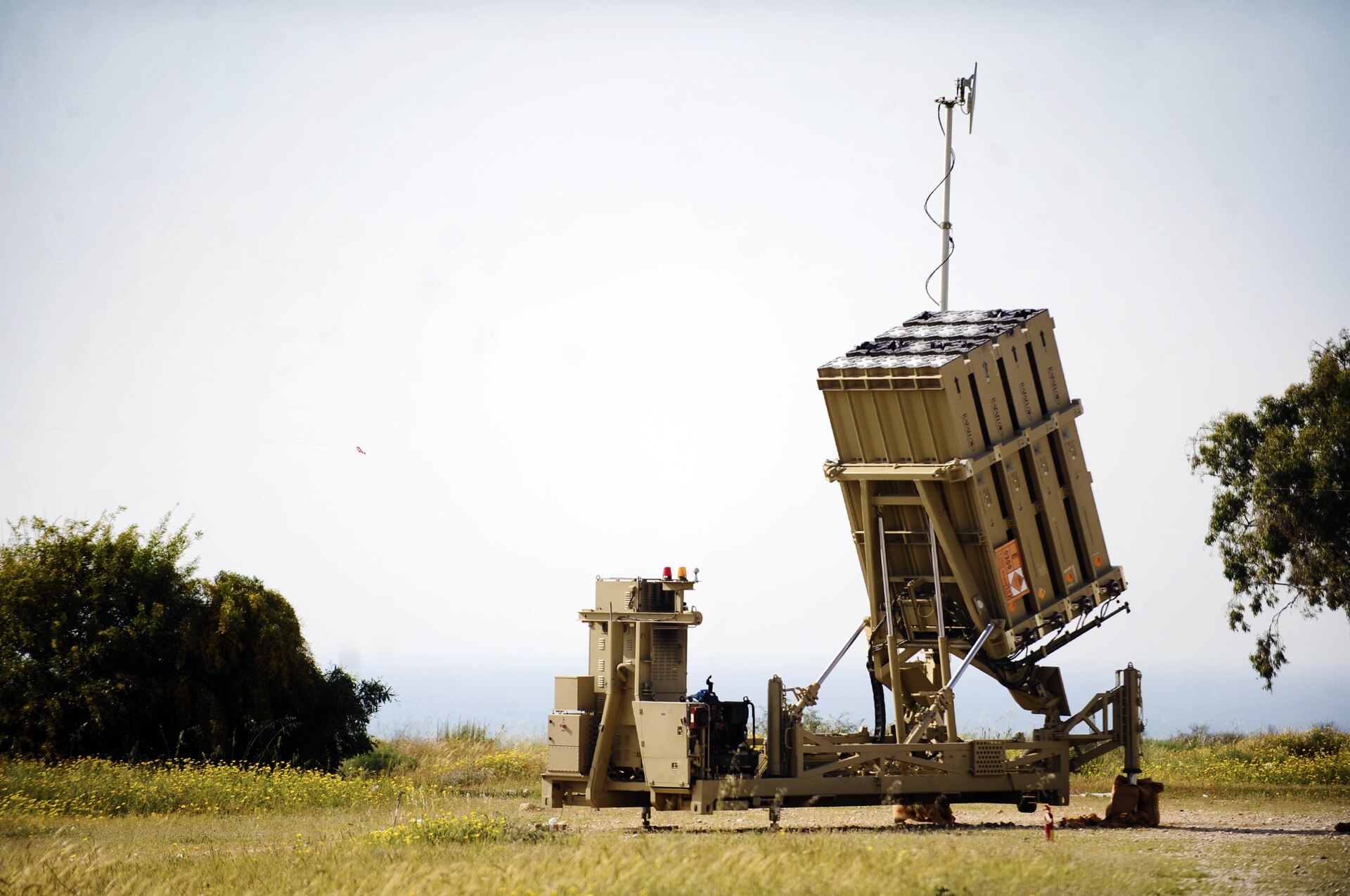
Israeli air-defense systems engaged the incoming Iranian missiles. Israel uses a layered approach: Iron Dome for close-range threats, David's Sling for medium-range missiles, and Arrow-2 and Arrow-3 systems for longer-range ballistic missiles. The videos showed rockets and interceptors filling the sky at the same time, suggesting rapid engagement across multiple defense layers.
Iran has also upgraded its missile capabilities since 2024, adding features like maneuvering warheads and decoys designed to slip past intercept systems. Whether Iran used these advanced features in this attack, and how well they worked, will be closely studied by defense experts.
Where This Could Go: The Key Decisions Ahead
Several factors will determine what happens next.
Israel's next move. Israeli Prime Minister Netanyahu faces political pressure to show strength. He could order strikes deep inside Iran itself — a major escalation — or respond more cautiously in Syria or Lebanon, or even pause to let diplomacy work. Each choice carries different political costs at home.
Iran's tolerance for retaliation. Iran has its own limits. Large Israeli attacks on Iran's nuclear facilities or energy infrastructure have always been understood as potential deal-breakers that could push Iran to much wider conflict. But short of that, Iran has shown it can absorb Israeli responses while maintaining its patient, strategic posture punctuated by moments of direct force.
Quiet U.S. diplomacy. What happens behind the scenes through back-channels between Washington, Tehran, and Jerusalem could matter more than anything visible. Qatar, Oman, and Kuwait have all served as go-betweens in previous efforts to dial down tensions between Iran and the U.S. Whether those lines are active right now is not known publicly.
Civilian harm in Beirut. Strikes on Dahieh, a crowded residential area, mean serious risk to civilians. International pressure for humanitarian concerns — from European countries and Middle Eastern partners — will likely push all sides toward restraint.
As of June 8, 2026, the situation remains unsettled. The missile exchange didn't resolve anything; it deepened the conflict. Whether the next few days bring de-escalation or further escalation remains genuinely uncertain. That uncertainty — more than any single event — defines the fragile moment the region is in right now.