IKEA's PS 2026: After Decades of Experiments, the Inflatable Chair Finally Arrives
IKEA's PS 2026: After Decades of Experiments, the Inflatable Chair Finally Arrives
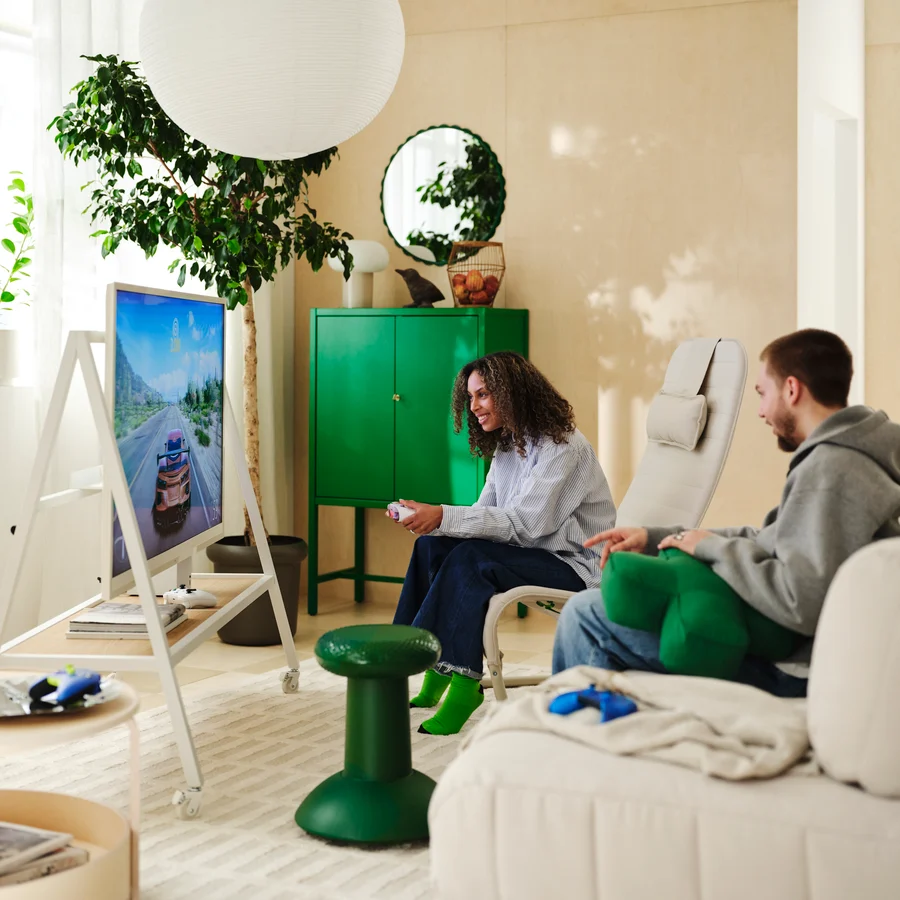
IKEA will unveil its tenth PS collection on May 13, featuring an inflatable chair that took the Swedish furniture maker decades to develop and refine. The IKEA PS 2026 collection centers on three pieces: the long-sought inflatable chair, a rocking bench, and a three-directional floor lamp.
IKEA's in-house designers Mikael Axelsson and Marta Krupińska designed the air-filled seating pieces, while Rotterdam-based designer Lex Pott created the directional lamp. IKEA previewed the collection at Milan Design Week, framing it as a return to traditional Scandinavian design principles rather than chasing whatever is trendy at the moment.
What the PS Collection Is
The PS collection, which started in 1995 at a Milan furniture fair, is IKEA's design laboratory—a space to explore understated Scandinavian design at prices ordinary people can afford. The 2026 edition is the tenth version of this experimental line, which serves as a testing ground for new materials, shapes, and manufacturing methods. If a design works well here, it may show up later in IKEA's regular product lines.
The inflatable chair takes inspiration from 1990s air-filled furniture designs. But IKEA's version addresses two problems that plagued earlier inflatable furniture: it wears out too quickly and it doesn't always look appealing. Over decades of research, IKEA refined both the materials and the shape to solve these issues.
The Engineering Challenge: Making Inflatable Furniture That Works
IKEA spent what it describes as decades working to "crack the code" on inflatable furniture before landing on the design in PS 2026. The main technical hurdles: picking the right material so the chair doesn't tear easily, ensuring seams stay airtight over time, designing a valve that works reliably, and making sure the furniture can support different body weights without losing its shape.
Worth flagging: IKEA has not revealed specific details about the materials or how the furniture is made, but the multi-decade timeline suggests the company went through many rounds of testing on fabric strength, how well air stays inside, and resistance to punctures—all areas where consumer inflatable furniture has typically failed.
The rocking bench, called "The bench that rocks," came from designer Krupińska and balances the fun of movement with caring for the environment. Rather than using traditional metal hinges or pivots, the bench relies on its curved shape alone to rock back and forth.
Why Inflatable Furniture Keeps Coming Back
We have seen this pattern before: bean bags filled living rooms in the 1970s, vanished for decades, then returned rebranded as "luxury lounge seating." Inflatable furniture follows the same cycle—it shows up as a novelty, fades out due to practical problems, then returns with better materials and smarter design. The 1990s inflatable wave that IKEA references came with broader experiments in seating alternatives, driven by cramped urban apartments and new manufacturing methods for heat-welded plastics.
The current push for inflatable furniture comes partly from sustainability goals. Air-filled furniture is lightweight and takes up little space when packaged or stored, which means fewer emissions from shipping and less waste in landfills. This matters especially to city dwellers who live in small spaces and need furniture that does not consume much room.
The Three-Directional Lamp
Lex Pott's three-directional floor lamp takes a different approach within the PS 2026 collection. Instead of exploring new materials, it focuses on controlling how light spreads. Pott, based in Rotterdam, has previously worked with major European furniture makers on lighting fixtures that emphasize clean geometric shapes and practical versatility.
The lamp's three-directional feature likely means the light heads can rotate or adjust so users can aim illumination at multiple areas at once—particularly useful in small apartments where one lamp needs to serve several purposes.
When and Where You'll Buy It
IKEA will share pricing, availability dates, and full product details on May 13. The PS collections usually reach stores in major markets within six months of launch, though the complexity of manufacturing inflatable furniture could push those timelines out.
Analysis: The timing appears aimed at the 2024 holiday season, when experimental or novelty furniture pieces typically sell best as gifts or attention-grabbing additions to a home.
What This Means for IKEA and Beyond
The PS collection is IKEA's answer to fast-fashion furniture trends. Rather than copying what is popular now, these pieces prioritize design experimentation. Earlier PS collections have included wine racks, modular storage, and unusual seating that later shaped IKEA's standard products.
The 2026 collection's bet on inflatable furniture is a big move for a company built on particleboard and steel. If customers embrace it, IKEA could open up a whole new furniture category. If it fails, the company may shelve this direction for years.
In this author's view, IKEA's emphasis on returning to Scandinavian design roots suggests the company sees recent trend-chasing as blurring its identity. The PS 2026 pieces look designed to rebuild IKEA's design reputation while testing whether people will actually buy and use alternative furniture types.
The Broader Picture
How well the inflatable chair sells will tell us something important: Are consumers ready to embrace air-filled seating indoors, or will it remain a niche for outdoor or temporary use. Most furniture makers have moved away from inflatable indoor furniture development, making IKEA's decade-long focus on the category unusual.
The collection's emphasis on sustainability—especially Krupińska's focus on playful yet responsible design—reflects industry-wide pressure to prove environmental commitment without sacrificing innovation. How IKEA manages this balance in PS 2026 will shape similar efforts across the furniture sector.
On May 13, we will learn whether decades of development yield products people actually want to sit on, or whether this stays an interesting experiment in IKEA's archives.