How Gold and Silver Prices Move: What Drives the Market When Records Fall

When Records Matter in Gold and Silver
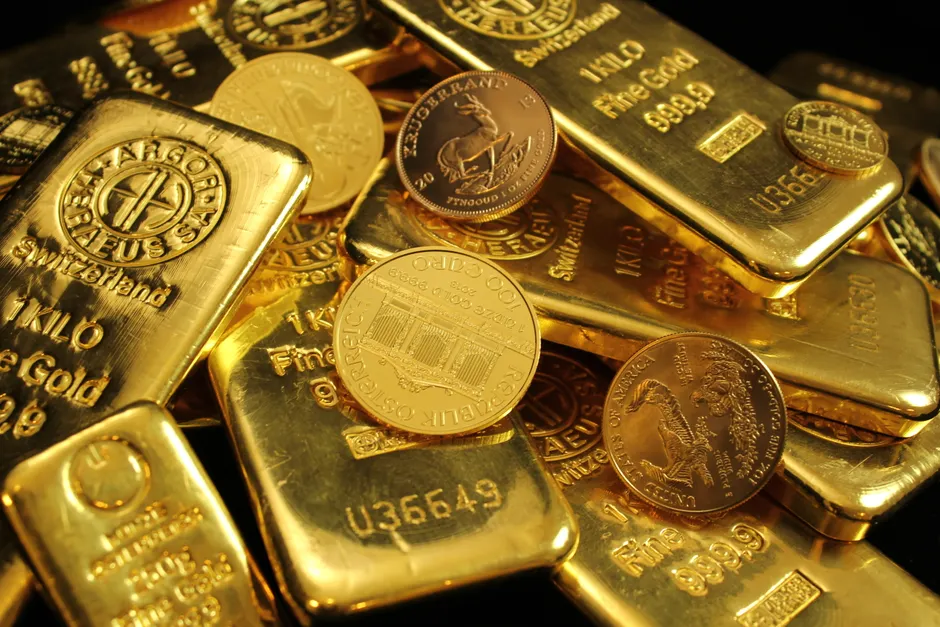
Gold hit an all-time high of $4,441.92 per ounce on December 22, 2025. The day before, it had already jumped 0.4% — a sign that momentum was building. Silver crossed $100 per ounce for the first time in modern history, a psychologically important milestone that sent traders repositioning across both metals, per Reuters.
When gold and silver move together like this, it usually signals that something bigger is happening in the broader economy or financial system. These price moves matter because millions of people hold these metals — either directly, through ETFs (funds that track precious metals), or as part of their retirement accounts. Understanding what drives the prices helps you understand the forces moving the markets you're invested in.
How Much Gold Is Actually Being Traded?
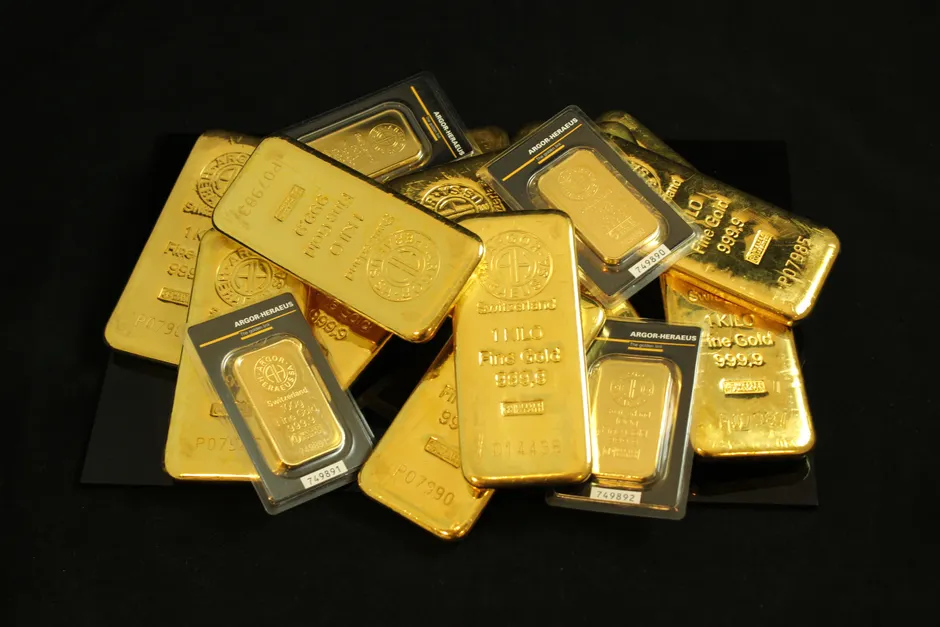
The main hub for gold trading is COMEX, operated by CME Group. It processes the equivalent of nearly 27 million ounces of gold in futures contracts every single trading day. To put that in perspective: that's roughly 840 tonnes of gold notional exposure being created, transferred, and closed out daily. None of this is necessarily backed by physical gold sitting in a vault — it's mostly traders betting on prices or hedging real holdings.
A futures contract is essentially a bet on a future price. If you think gold will be worth more in three months, you can buy a gold futures contract and profit if you're right. These contracts let traders take big positions without needing to own the actual metal. CME Group publishes daily settlement data that shows the volume traded, how many open contracts exist, and the settlement prices — the official closing price for each day.
For silver, there's an extra layer of data: implied volatility figures alongside prices. Volatility is a measure of how much prices are expected to bounce around. When this number is high, traders expect bigger price swings ahead.
The Cash-Futures Spread: A Hidden Stress Signal
Here's something worth understanding: spot gold (the price you see quoted) and gold futures (the price of contracts for future delivery) should move roughly together. The gap between them, called the basis, is normally tiny and reflects just the cost of borrowing money and storing the metal until delivery. A normal basis might be worth $10 per ounce.
On December 11, 2024, something went wrong. Futures for February delivery were trading $60 per ounce — roughly 2% — above the spot price, per Bloomberg. A 2% gap doesn't sound huge, but for gold, it's a red flag. It signals that something is making traders nervous about moving metal between different markets or locations.
The culprit was tariff risk. Donald Trump was set to take office in January 2025, and traders weren't sure whether his trade policies would include gold. If gold became subject to import tariffs, holding it in New York suddenly looked safer than storing it in London and moving it later. Physical gold started moving, exchange-for-physical spreads widened (these are the costs of converting between futures and actual metal), and the whole structure reflected that shift in real time.
The broader context here is important: we've seen this before. During the 2008 financial crisis, gold futures went into what's called backwardation — where futures traded below spot prices — because counterparty risk made traders nervous about holding contracts. Today, it's policy uncertainty rather than a credit crunch creating the same kind of wedge, but the mechanism is identical. The December 2024 episode lasted longer because the tariff question remained unresolved.
Why Did Gold and Silver Spike to Records?
The move to all-time highs in late 2025 had one dominant driver: the Federal Reserve cutting interest rates. When interest rates fall, zero-coupon assets like gold — which don't pay you anything — become cheaper to own. Think of it this way: if you can earn 2% holding Treasury bonds, gold needs to deliver that 2% through price appreciation alone. If rates drop to 0.5%, gold only needs to gain 0.5%, so it becomes more attractive. As real yields fall (real yields are the interest rate minus inflation), gold tends to climb.
The weekly gain on December 19, 2025 — spot gold up 1.1% — coincided with traders betting on more Federal Reserve rate cuts. Silver's breach of $100 that same week added another layer: silver is used in industry, not just as a store of value, so constructive economic sentiment tends to push silver harder than gold. The ratio between gold and silver prices compressed from the mid-80s (where it sat through much of 2024) toward the low 40s — meaning silver was outperforming gold.
Reading the Market's Expectations
When you look at CME settlement data, you're not just seeing history — you're seeing what professional traders think comes next. The implied volatility figures on silver futures tell a story: high numbers mean traders are expecting bigger price swings; skew (the term for asymmetric fear) tells you whether traders are more afraid of prices crashing or spiking.
When silver spot prices were pressing $100 for the first time in history, options traders started pricing in significant risk. Not because they expected a crash, but because nobody had any historical precedent for what "fair value" for silver above $100 looks like. Gold's move to $4,441.92 created the same challenge for options traders: the models they use to price options are built on historical data that never included prices this high, so they're operating in uncharted territory.
What Volume and Open Interest Tell You
That 27 million ounce daily volume in gold futures is a clue about whether new money is entering the market or whether traders are just rolling existing positions (moving them forward in time). When volume is high and open interest — the total number of open contracts — is rising, it usually means new traders are taking positions. When volume is high but open interest is falling, it means traders are closing out or shifting positions they already held.
Silver's move from below $100 to above $100 raises a similar question: was the move driven by investors buying physical silver, by flows into silver ETFs, by short sellers covering their bets, or some combination? The settlement data doesn't answer that directly, but watching whether implied volatility spiked going through the level or fell after it gives you clues about whether traders had positioned for the move or were chasing it.
What Matters Now
As of early June 2026, both metals are trading near their late-2025 record highs. The economic factors driving prices — Fed policy, dollar strength, real yields — remain in place. The basis mechanics that caused the December 2024 gap between spot and futures haven't disappeared; trade policy uncertainty is likely to keep creating opportunities for those who understand it.
For anyone managing exposure to gold or silver, the professional reference point is CME Group's settlement data: prices, volatility figures, and the daily numbers across the futures and options markets. The fact that prices are at record levels means the models used to price options are operating outside their normal range, which is itself a risk that deserves acknowledgment.
The story here isn't just that prices hit new highs. It's that when they do, the mechanics of how markets function — how traders arbitrage gaps, how they hedge risk, how they position for what comes next — don't change. Understanding those mechanics is what separates confident investors from those chasing charts.