Christian Eriksen's Heart Device Worked as Intended—Here's Why That Matters
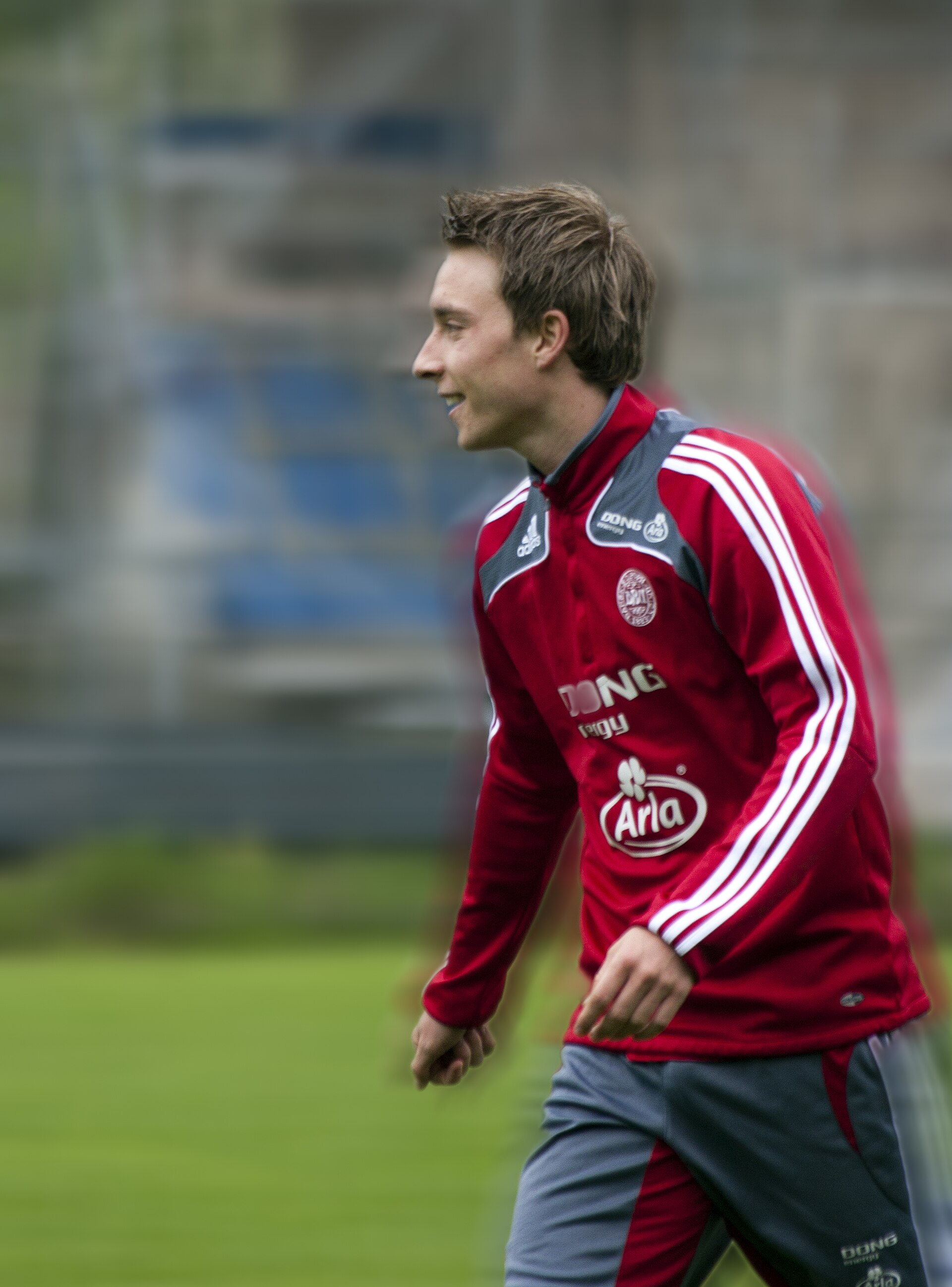
Christian Eriksen's Heart Device Worked as Intended—Here's Why That Matters
Christian Eriksen collapsed on the pitch during Denmark's friendly match against Ukraine on June 8, 2026. Five years earlier, in 2020, he suffered a cardiac arrest at Euro that shocked the world and changed how football approaches player safety. This time, however, the story hinged on a small piece of medical technology already inside his chest.
According to BBC Sport, Eriksen went down in the 65th minute. His team doctor, Morten Boesen — the same physician who was there in 2021 — confirmed something crucial: the implantable cardioverter-defibrillator, or ICD, in Eriksen's chest worked exactly as designed.
That distinction is everything. The story is not simply that he collapsed. The story is that the device responded correctly.
How an ICD Works
Think of an ICD as a watchdog living inside the chest. It's a small, battery-powered device placed under the skin near the collarbone, connected to the heart by thin wires called leads. Its job is simple but vital: monitor the heart's rhythm continuously.
When the ICD detects a dangerous, chaotic heartbeat — such as ventricular fibrillation or ventricular tachycardia — it delivers an electrical shock to reset the heart back to its normal rhythm. This happens in seconds, far faster than any medical staff could respond from the sideline with a portable defibrillator.
As The Athletic reported, Eriksen's device discharged as intended before outside medical help was required. This matters clinically. In 2021, his life was saved by teammates who performed CPR and by doctors who deployed an external defibrillator — a narrow margin of survival. An ICD closes that gap by acting inside the body, immediately, before seconds slip away.
The Device's Role in Eriksen's Career
After his 2020 cardiac arrest, Eriksen underwent surgery and received his ICD implant. A problem emerged quickly: UEFA, European football's governing body, had rules that barred players with ICDs from competing in its major competitions. This blocked his return to Inter Milan.
He pivoted to the Premier League in January 2022, joining Brentford. The Premier League permitted ICD-implanted athletes to play under proper medical supervision. Speaking publicly in February 2022, Eriksen said he felt confident playing with the device, Reuters reported.
But a question hung over him: would the device hold up under the intense physical demands of professional football? Four years later, June 8, 2026 offered an answer.
What Happens Now
Dr. Boesen's statement that the ICD responded correctly will set off several processes. First, Eriksen's cardiologists will examine the device's data. Modern ICDs record every rhythm change and every shock they deliver, creating a detailed log of what happened in that 65th minute. Second, Danish football authorities and UEFA will conduct their own medical reviews before deciding whether he can play again. Third, this incident will add to the scientific literature on ICDs in competitive athletes — a body of research that has grown since 2021 but where experts still debate what level of risk is acceptable.
The immediate question is whether Eriksen will compete in the 2026 FIFA World Cup, scheduled to start in North America later this month. That decision will rest not on public opinion but on what cardiologists recommend and what governing bodies' medical protocols allow.
The Bigger Picture
The fact that this happened when cardiac screening in professional football is more rigorous than ever is not coincidental. Pre-match heart tests, echocardiograms, and emergency action plans are now standard in top-tier European competitions, though implementation varies in smaller leagues and lower divisions.
Eriksen's case carries weight beyond the medical facts. Because the public has watched his journey from collapse in 2020 to return to international play, his story has become an ongoing conversation about player safety in a way that policy documents alone never could be. The broader context here is worth noting: the technical infrastructure for managing cardiac risk in elite athletes has matured significantly, yet it remains unevenly applied across the sport.
In my view, what happened on June 8 is instructive not because it erases concern about cardiac risk — it doesn't — but because it shows that the clinical decisions made in 2021, and the regulatory changes that followed, produced an outcome that saved his life under real match conditions. The device worked. That fact informs the next chapter of this conversation, whatever it brings.
Key Questions Going Forward
What happens next depends on cardiological assessment, not media narratives. Eriksen's medical team and UEFA will weigh the data from this incident against his individual cardiac profile, the stress demands of international football, and the existing science on ICDs in competitive athletes. Only then will a return-to-play decision make sense. Until then, transparency about the process — as Dr. Boesen has already provided — remains the standard the sport should hold itself to.