U.S. Helicopter Down Near the Strait of Hormuz: What We Know and Why It Matters
U.S. Helicopter Down Near the Strait of Hormuz: What We Know and Why It Matters
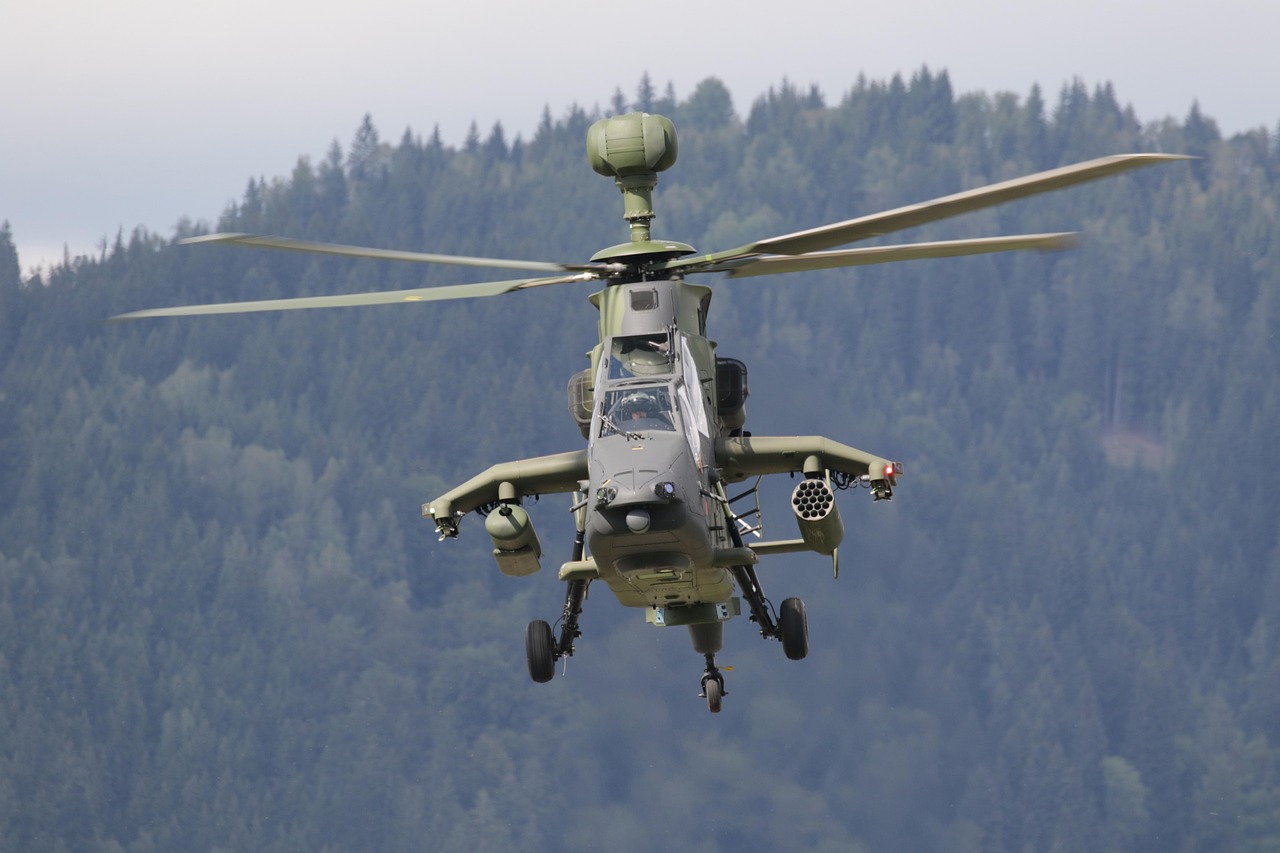
A U.S. Army Apache attack helicopter crashed near the Strait of Hormuz on Monday, June 8, 2026. Both crew members were safely recovered, according to Stars and Stripes and NBC News. However, what caused the crash remains unknown as of June 9, 2026, and the U.S. military has opened a formal investigation into the incident, i24 News reported.
The Strait of Hormuz is a narrow passage of water—roughly 33 nautical miles wide—that separates Oman from Iran. It's one of the world's most important shipping lanes: about 20 percent of all global oil trade passes through it. This makes it strategically vital. Any military incident near it immediately attracts international attention, especially in a region already under significant geopolitical tension.
What We Know
The AH-64 Apache is a twin-engine attack helicopter widely used by the U.S. Army. It's designed to carry out close air support missions (protecting ground troops) and armed reconnaissance (gathering intelligence while armed for combat). These are exactly the kinds of operations that bring it into maritime environments like the Persian Gulf, where the U.S. military maintains a significant presence.
The pilots were rescued quickly, AP reported. This speed suggests that search-and-rescue teams were either already nearby or actively preparing for this kind of emergency—a standard precaution in a region with so many U.S. aircraft and ships operating.
As for what caused the crash: that remains genuinely open. The possibilities range from mechanical failure, to pilot error, to bad weather, to hostile action. The U.S. military has started investigating, but no preliminary findings have been released. Until the investigation produces results, any claim about the cause would be guesswork.
Why This Crash Drew So Much Attention
The Strait of Hormuz has been a flashpoint between the United States and Iran for decades. In the middle of 2026, the regional tension is even more complicated. There are ongoing ceasefire negotiations involving Iran, Israel, and Hezbollah—groups that have been in conflict with each other. This context doesn't explain what caused the crash, but it does explain why the incident immediately became news. A mechanical failure in a quiet region might barely register; here, people are watching for any sign that tensions could escalate.
History offers a sobering example. In July 1988, the USS Vincennes, a U.S. Navy ship, shot down Iran Air Flight 655 in this same strait, killing 290 civilians. The tragedy happened precisely because the operational environment was tense, people had to make identification decisions in seconds, and everyone in the theater was primed to interpret ambiguous situations as threats. The broader lesson analysts took from that incident was important: in high-tension regions, our instinct is to assign meaning to events before we have actual facts. It's a natural human response, but it can lead us astray. This is worth keeping in mind as the current investigation unfolds.
On the available evidence, this Apache crash does not appear to be a combat loss. That said, the regional environment is complex: Iranian military forces regularly conduct exercises in these waters, shipping and naval vessels face threats from mines and drones, and the U.S. maintains constant air and helicopter patrols. The question of what actually caused this crash—and how quickly the answer becomes clear—will matter to multiple governments watching this situation closely.
What Happens Next
The investigation will largely determine how this incident is understood and characterized. U.S. Army aviation investigations typically follow a two-track process: one focused on safety lessons (findings protected from legal action) and another focused on command accountability, which comes into play if misconduct or hostile action is suspected. Which track applies here, and whether both are running simultaneously, hasn't been publicly confirmed.
Diplomatically, watch for how key players in the region respond over the next few days and weeks. If the investigation points toward a simple mechanical problem or pilot error, the current level of regional tension probably doesn't shift much. If evidence emerges suggesting any kind of external involvement, the situation could escalate more rapidly in an already pressurized environment.
There's also a narrower technical question that defense analysts will be considering. The Apache is an impressive helicopter, but it wasn't originally designed for sustained operations over open water. Maritime environments present special challenges: salt spray corrodes metal, humidity affects electronics, and navigating over water requires different skills than flying over land. Whether any of these factors played a role here is unknown, but they're standard things to investigate when an aircraft goes down near the sea.
The Human Element
The most important confirmed fact in this story is also the simplest: both pilots made it out alive and were rescued. Whatever the investigation finds about the aircraft and its systems, the outcome for the two people aboard was the best possible one. In a region where military incidents can quickly become political symbols, that human reality deserves to stay front and center.


