Qatar Denies Secretly Holding Iranian Pilots as Diplomatic Deadline Looms
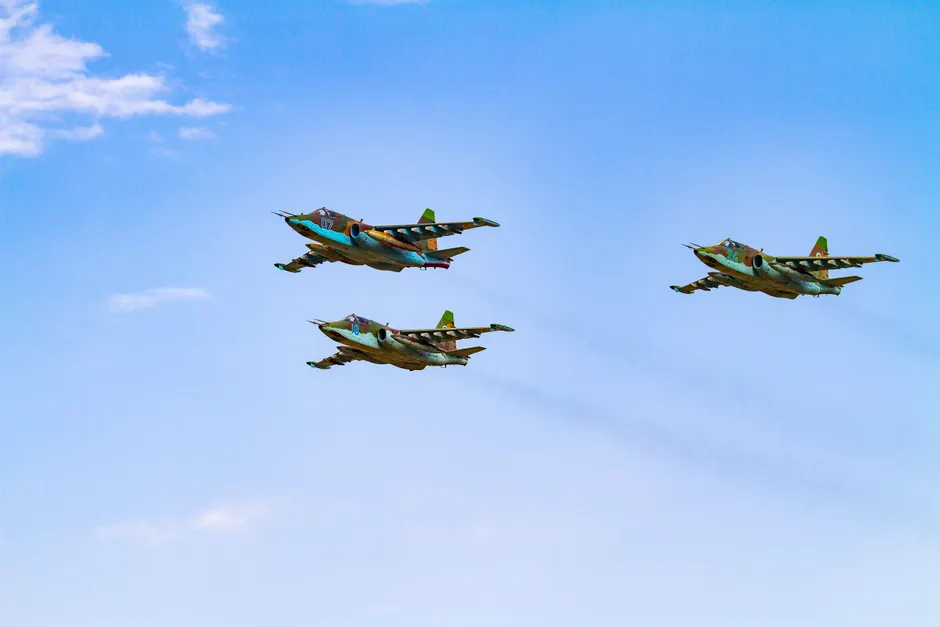
Qatar's Foreign Ministry has firmly rejected Iranian claims that it is secretly detaining three Iranian pilots. Tehran says the aircrew have been held incommunicado — meaning cut off from all outside contact — for six months after their aircraft were shot down in March Reuters SCMP. Foreign Ministry spokesman Majed Al-Ansari said he was surprised by what he called "misleading statements" from Iranian officials and insisted that Qatari forces are not holding any surviving aircrew Al Jazeera.
The dispute began with a formal message to the International Committee of the Red Cross (ICRC), an independent humanitarian organization that monitors the treatment of prisoners and civilians in conflicts. General Mohammad Bagherzadeh of the Iranian armed forces identified three pilots — Javad Salehi, Abdolmajid Dashtian, and Omran Behraveshian — and said they were captured alive after their Su-24 warplanes crashed during fighting in March. He called for international humanitarian intervention, saying the airmen had been denied contact with their families or diplomatic representatives for six months Al Jazeera.
Qatar tells a different version of events. Qatari officials say their air defence forces detected the aircraft after they entered Qatari airspace without authorization in March. After the aircraft failed to respond to warnings, Qatari forces engaged them. Search and rescue teams recovered the remains of one pilot, Majid Kazemi, and coordinated with Iranian authorities to return his body. Iran had previously acknowledged that one pilot was killed and others were missing following the mission to Qatar, though it had not previously claimed that surviving crew were captured Al Jazeera.
In early March, Qatar's Defence Ministry reported shooting down two Iranian Sukhoi Su-24 bombers during an attack on Al Udeid Air Base. Al Udeid is the largest U.S. military installation in the region and hosts personnel from U.S. Central Command (CENTCOM), the command responsible for American military operations across the Middle East. The interception was the first time a Gulf country reported downing Iranian aircraft during the conflict Al Jazeera.
The engagement occurred amid retaliatory strikes across the Gulf after hostilities broke out on February 28. An April ceasefire, brokered with initial help from Pakistan, temporarily halted major combat operations. However, peace framework talks collapsed in June. That led to sporadic clashes near the Strait of Hormuz — the narrow waterway at the mouth of the Persian Gulf through which roughly a fifth of the world's oil supply passes — and renewed attacks on regional shipping and infrastructure Al Jazeera.
A 60-day negotiating window established under a mid-June memorandum of understanding is set to expire on Monday. Few direct talks have taken place during this period, leaving maritime traffic through the Strait of Hormuz at a trickle. U.S. President Donald Trump said Iran was being "very badly defeated" and suggested he would "pretty soon be declaring the Hormuz Strait a territory of the United States" Al Jazeera.
Iran's Deputy Foreign Minister Kazem Gharibabadi posted on X that the Strait of Hormuz "cannot be seized with a tweet, nor with an aircraft carrier." He warned that Iran would continue to enforce its blockade until Washington accepts "the reality of defeat" Al Jazeera.
The broader context here is a multi-layered crisis where humanitarian disputes and military posturing collide with high-stakes diplomacy. The ICRC communication from Bagherzadeh shifts the downing of the Su-24s from a concluded military engagement to an ongoing humanitarian dispute, increasing diplomatic pressure on Doha. Tehran's decision to publicize the alleged detention six months after the incident puts Qatar in a defensive position and complicates its effort to mediate between Washington and Tehran.
Qatar remains actively engaged as a key mediator and is pushing for a negotiated settlement between Iran and the U.S. The expiration of the 60-day negotiating window on Monday leaves this mediation track in a precarious state. Trump's statement about seizing the Strait of Hormuz and Gharibabadi's reciprocal warning about maintaining a blockade suggest both sides are hardening their positions. If the negotiating window closes without an extension or a framework for renewed dialogue, the maritime choke point will likely see continued disruption. The dispute over the pilots adds a new layer of complexity to an already narrow diplomatic space as the deadline approaches.


