Apple's AirPods Get Custom Sound Control: What You Need to Know
What Apple Announced
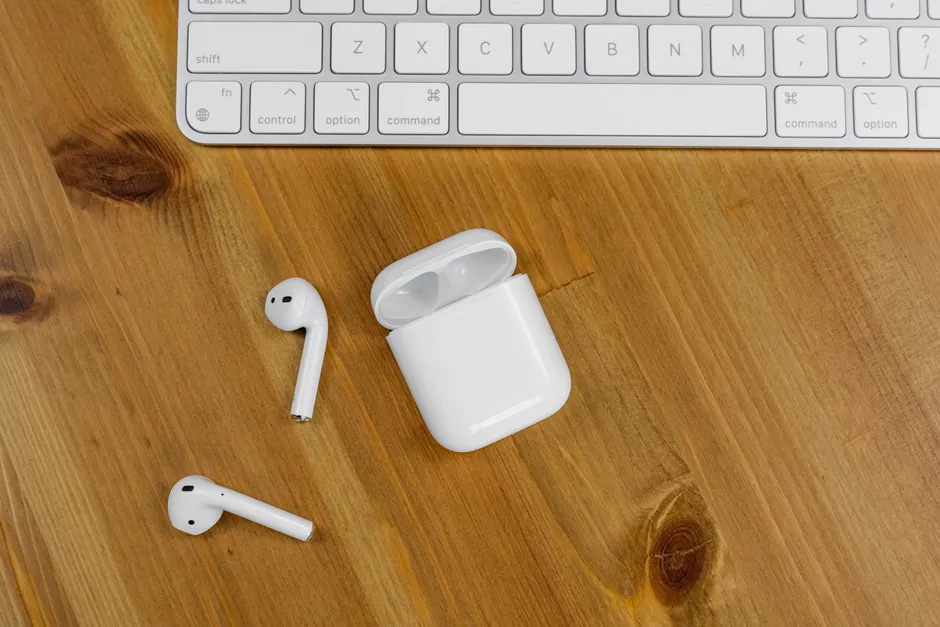
Apple on 8 June 2026 announced that AirPods will soon let you customize how they sound, using a feature called customizable EQ. This is part of a bigger release of Apple Intelligence tools, according to Apple's official newsroom. Instead of letting Apple's algorithm decide what frequencies your ears hear, you will now be able to manually adjust bass, treble, and other tones to suit your own preference.
From Fixed Sound to Your Sound
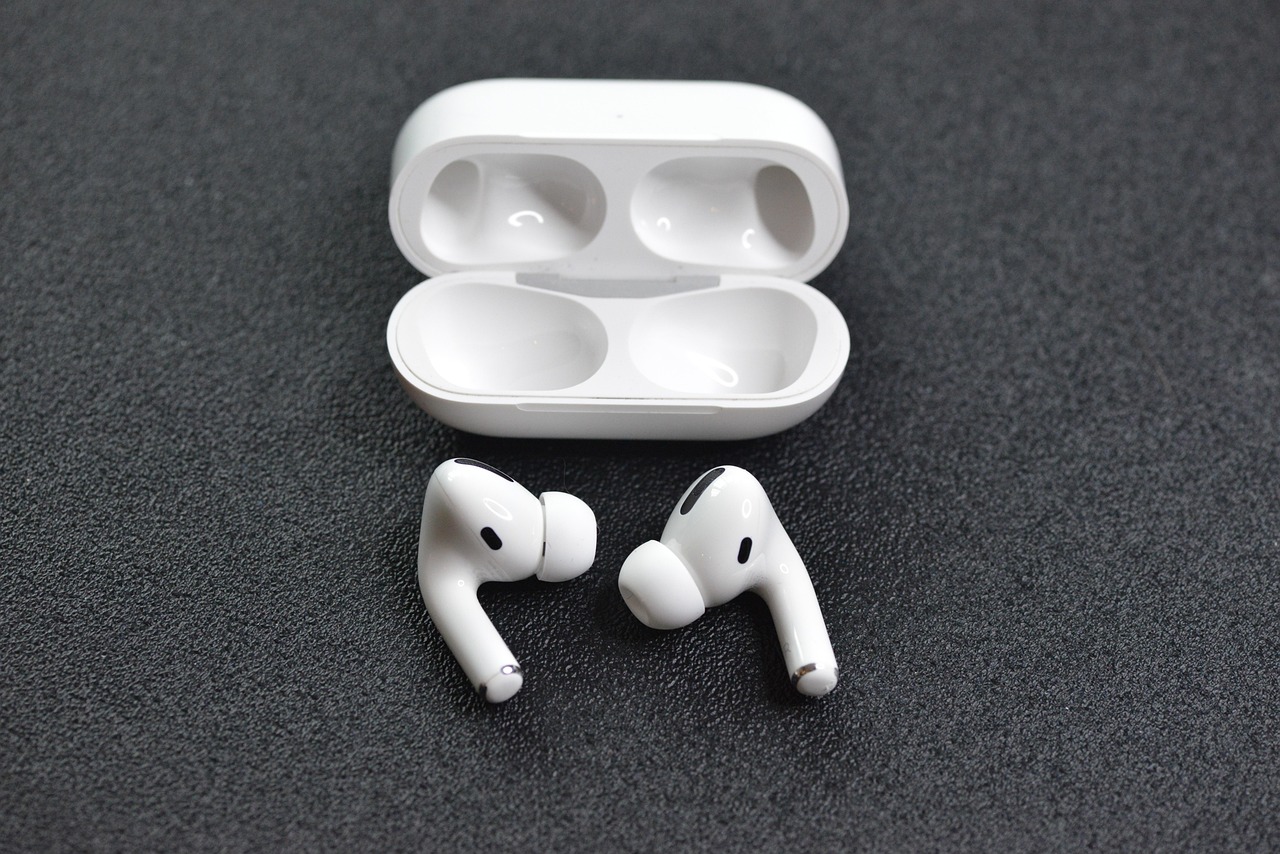
To understand why this matters, it helps to know the history. When Apple introduced AirPods Pro in October 2019, the big audio feature was called Adaptive EQ — a system that automatically measured the sound delivered to your ears and adjusted low and mid frequencies in real time. The earbuds used built-in microphones to keep fine-tuning the sound as you moved around or put them in differently. It was clever engineering, but you could not see what it was doing or change it. If you wanted more bass or less of a certain frequency, you were out of luck.
For nearly seven years, Apple has controlled the EQ on AirPods. The June 2026 announcement changes that — at least to some degree.
Part of Apple's Bigger AI Strategy
The customizable EQ feature is being released as part of Apple Intelligence, which is Apple's broader effort to add AI smarts to your devices. This means it is connected to the same technology Apple has been building to run AI models directly on your phone or through Apple's cloud servers, while keeping your data private. Apple has not yet revealed all the technical details about how your EQ settings will be saved, synced to your other devices, or whether machine learning will play a hidden role — adjusting sound automatically based on what you are listening to, for example.
The fact that Apple is calling this an "intelligence" feature rather than just a settings update is worth paying attention to. It signals that there may be more going on behind the scenes than a simple audio slider. Apple may be suggesting EQ profiles for you, or adjusting settings based on what type of music or podcast you are listening to, or learning your preferences over time. The exact details will matter a lot when it actually ships.
Who This Affects
For people who care about sound quality, those with hearing loss who need certain frequencies boosted, or anyone who has been frustrated with how AirPods sound by default, this is a real upgrade. AirPods are the most popular wireless earbuds on the market, so adding this feature reaches far more people than specialty audio equipment ever could.
There is also a developer question: will Apple let music apps, podcast players, and other audio software access this EQ technology. If customizable EQ lives only in the phone's settings, third-party apps will not be able to use it. If Apple opens it up through technical interfaces (what engineers call APIs), app makers could build much more powerful audio tools. No announcements about this have been made yet.
The hearing health side is also significant. Apple has been gradually positioning AirPods as a hearing health device — the company recently released hearing aid features that the U.S. government approved. Customizable EQ fits naturally into this direction: if you have mild hearing loss in the high frequencies, you could set up a profile that compensates for that, and it would follow you across all your devices.
A Familiar Pattern
This is not the first time Apple has done something like this. When Apple introduced the touchscreen in 2007, it did not immediately let other apps use those touch gestures — the technology was there and working, but Apple kept it locked down at first. Only later, once the company was confident about how it would be used, did Apple open it up to developers. The same thing happened with Core ML (Apple's AI tools), ARKit (for augmented reality), and HealthKit (for health tracking). Each started as something only Apple could use, then gradually opened up. Customizable EQ is probably following the same pattern. The announcement today is the first step; opening it to developers and other apps, if it happens, will come later.
What We Still Do Not Know
Apple has not spelled out the specific details yet. How many different frequencies will you be able to adjust — five bands like old stereos, or more granular control. Will you get preset options, or build your own from scratch. Which AirPods models will get this feature. The base model AirPods, AirPods Pro, and AirPods Max all have different hardware inside, and some may not be capable of the same level of customization.
These details are not minor. AirPods range from basic to high-end, with different chips and audio drivers in each. A feature that works well on AirPods Pro might not work at all, or work much differently, on the base model.
The Direction Apple Is Heading
This announcement points to a shift in how Apple thinks about personalizing your audio experience. The old Adaptive EQ tried to remove choices — it would automatically correct for how the earbuds fit and sat in your ears, so you did not have to think about it. The new approach gives you back that choice: you can adjust the sound to what you actually want. Whether this ends up being a meaningful control or just a gimmick will depend on how Apple actually builds it.
Over the past few years, Apple has been treating AirPods less like simple speakers and more like small computers that sense and process your environment. Customizable EQ fits with this direction, adding another layer of personalization that sits alongside features like 3D spatial audio, conversation awareness, and the hearing aid tools already available.