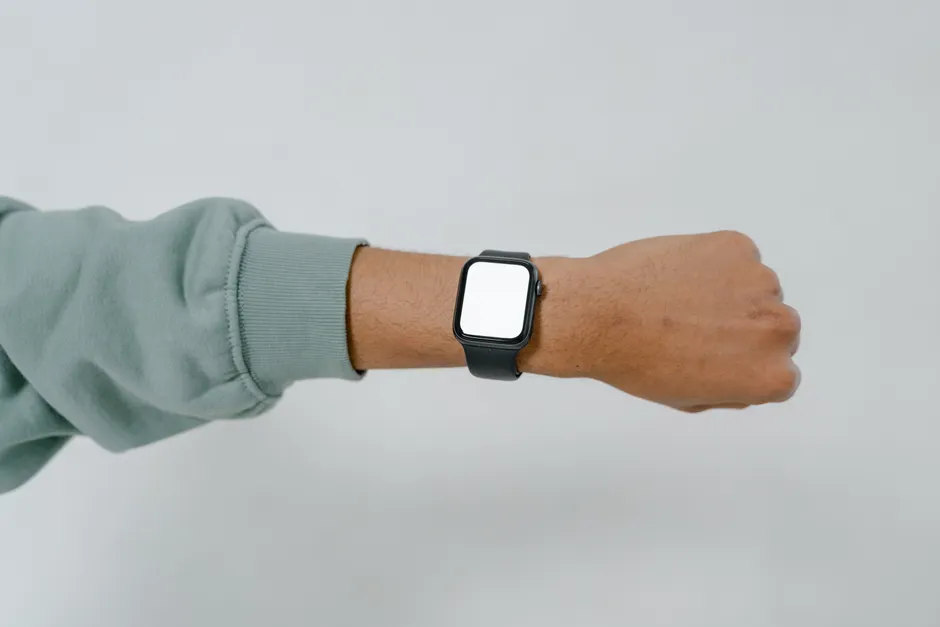
Apple Watch Series 11, Ultra 3, and SE 3 Launch With watchOS 26

Apple Watch Series 11, Ultra 3, and SE 3 Launch With watchOS 26
Apple announced three new Apple Watch models and released watchOS 26 on September 9, 2025. The full software platform update — including new versions of iOS, iPadOS, macOS, and tvOS — became available on September 15, 2025, according to Apple's official announcement.
What Apple Released and When
Apple Watch Series 11, Apple Watch Ultra 3, and Apple Watch SE 3 all arrived on September 9, 2025. This continues Apple's approach of announcing all new watches on the same day each year. watchOS 26 was shown to developers back at WWDC in June 2025, with Apple emphasizing personalized features for activity tracking, health monitoring, and staying connected.
One important limitation: watchOS 26 runs only on Apple Watch Series 6 or later. If you own a Series 4 or Series 5, you'll need to buy new hardware to use the latest software. Since many people keep their watches for several years, this cutoff affects a meaningful number of existing users.
Three Models for Three Markets
Apple's lineup breaks down into three price and feature tiers, a structure that hasn't changed.
The Apple Watch Ultra 3 sits at the top. It's built for athletes and people working in harsh conditions. Its 100-meter water resistance makes it suitable for recreational diving and open-water swimming — depths that standard Apple Watches can't handle. Like earlier Ultra models, this generation balances tough build quality with longer battery life.
Apple Watch Series 11 anchors the middle. Apple's marketing describes it as bringing "groundbreaking" health features. While that's promotional language, the Series line has genuinely added new sensors over the years — blood oxygen monitoring, ECG capability, and skin temperature sensing all started on Series models. The exact new health features in Series 11 haven't been detailed publicly yet, but it clearly sits above the SE 3 in capability.
Apple Watch SE 3 remains the entry point. The SE line exists to bring price-conscious buyers into the Apple Watch ecosystem without cutting into the higher-margin Series sales. By keeping the SE separate rather than squeezing everything into one model, Apple signals that they see the budget-conscious market as important enough to serve directly.
What watchOS 26 Brings
watchOS 26, released alongside the hardware in September 2025, centers on personalization — letting users customize how the watch tracks activity, monitors health, and stays connected. The version number follows Apple's new naming approach: "26" aligns with the year, not older sequential numbering. iOS and the other Apple operating systems use the same system now, bringing everything in line.
The Series 6 requirement (released in 2020) means Apple is supporting watches for roughly five years before cutting them off. By consumer electronics standards, that's a reasonable window, though it will likely get tighter in the future.
The specific features in watchOS 26 — new workout types, health algorithms, watch face options, and connectivity improvements — are described by Apple as more personalized experiences. The full technical details live in Apple's developer documentation and the WWDC 2025 session recordings for anyone wanting an exhaustive feature comparison.
The Bigger Picture: One Platform, Multiple Releases
The September 15, 2025 date when all Apple operating systems became available shows Apple's pattern: hardware announces a few days early, then the software follows shortly after. This window used to be longer, but Apple has tightened it considerably over the past decade. The faster turnaround reflects how closely Apple now ties new hardware capabilities to software features that unlock them.
For IT teams and administrators managing Apple devices in companies or schools, the all-at-once software release is the important signal. While watchOS management isn't as common in corporate settings as iOS or macOS updates, the new health features on Series 11 could change that if companies start using watch data for employee wellness programs.
There's a pattern in how Apple launches platforms that stretches back further. When I covered the original iPhone in 2007, people criticized Apple for asking developers and users to commit before seeing the full picture. That critique was fair, and it also didn't matter — people adopted anyway. The Apple Watch has followed the same playbook: seed developers at WWDC in June, ship hardware in September, and let apps catch up afterward. watchOS 26 fits exactly into that rhythm.
Compatibility: What You Need to Know
If you're deciding whether to upgrade or which model to buy:
- watchOS 26 requires: Apple Watch Series 6 (2020) or newer.
- New models available: Series 11, Ultra 3, SE 3 — all announced September 9, 2025.
- Software release date: September 15, 2025.
Anyone with a Series 4 or Series 5 needs new hardware to get watchOS 26. Health features in previous watchOS versions have sometimes required specific sensors, not just new software. Series 6 introduced the blood oxygen sensor, which likely explains why that's the cutoff point.
What Becomes Possible
The three hardware tiers and the new operating system give Apple broad market coverage: SE 3 hooks price-sensitive buyers, Series 11 appeals to health-conscious mainstream users, and Ultra 3 serves people in extreme environments. watchOS 26 provides the shared foundation that, in theory, lets Apple strengthen network effects around health data across all three tiers.
The longer-term question is whether the health sensors on Series 11 and Ultra 3 will generate data that's actually clinically useful — the kind of precision that doctors might act on — or whether they'll remain good-enough for personal fitness tracking. There's friction between what consumer devices can measure and what medical-grade equipment measures. How Apple navigates that gap will determine whether Series 11 genuinely delivers breakthrough health insights or just better marketing.