Xiaomi's New AI Model Hits a Speed Milestone—What It Means
Xiaomi has released MiMo-V2.5-Pro-UltraSpeed, a large language model with a trillion parameters—roughly one trillion learned weights or numerical patterns that the model uses to generate text. The headline claim: it can produce 1,000 tokens (think of tokens as fragments of words) per second using ordinary graphics processing units (GPUs), the same kind of chips found in many data centers and high-end computers. The announcement, published on 8 June 2026, suggests Xiaomi and its partner TileRT have cracked a problem that has frustrated the AI industry for years—how to serve enormous, powerful AI models without needing exotic or prohibitively expensive custom hardware.
What Was Actually Built
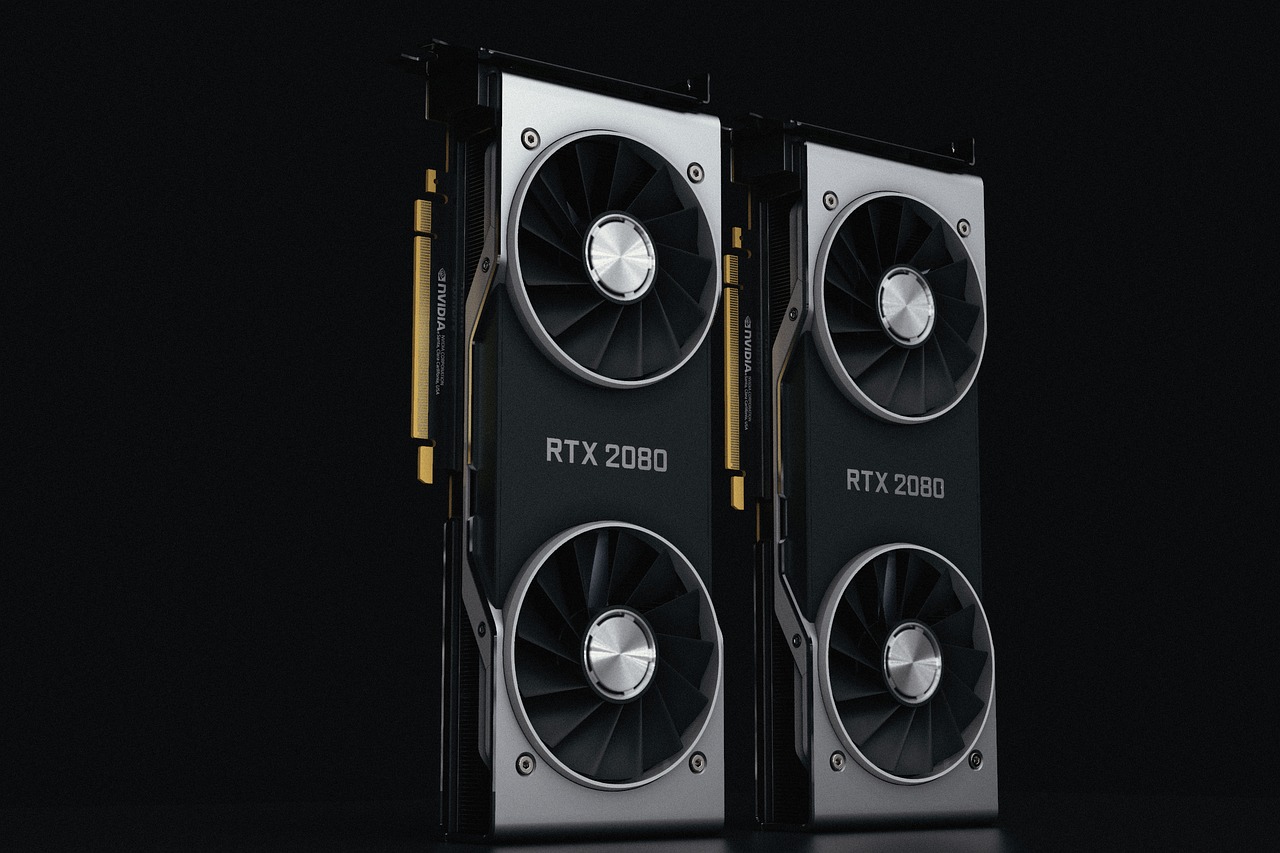
Until recently, models this large mostly lived in research labs or required specialized, purpose-built chips. That MiMo-V2.5-Pro-UltraSpeed achieves its speed on standard GPUs matters because those chips are far cheaper and more widely available than alternatives like Groq's specialized LPUs or custom AI accelerators.
The speed comes from what Xiaomi and TileRT call "extreme model-system codesign optimization." That's jargon for: instead of building a model first and then trying to make it run fast on hardware later, the two teams designed the model and the software layer (TileRT) that runs it in lockstep. This meant choices about how the model's attention mechanism—the part that lets it focus on the most relevant words—was structured, how it cached intermediate calculations, and how the GPU scheduler batched multiple requests were all made together, not separately. TileRT is the runtime layer that extracts more speed from GPU hardware that was not designed specifically for AI inference.
Think of it like car design: you could engineer an engine and a transmission separately, then bolt them together. Or you could design them together from the start, knowing exactly how they will interact. The second approach is tighter and more efficient.
Why This Number Matters
At 1,000 tokens per second, a typical 2,000-token response—roughly the length of a detailed technical summary or a short essay—completes in two seconds. That is fast enough that interactive applications become realistic, not just a theoretical possibility. Today, most large AI models serving real users require careful load-balancing just to keep response times acceptable; a sustained 1,000 tokens per second, if it holds up under realistic conditions with multiple concurrent users and varying request sizes, changes the economics of running a model this big in production.
A word of caution here. Xiaomi and TileRT announced the peak figure—1,000 tokens per second under controlled conditions—but have not yet published the full benchmark details. That would include information about how many requests the system handled simultaneously, what GPU models were used, how much memory was needed, and how latency (time to first response) performs under real-world load. The 1,000 t/s headline is attention-catching, but the engineering team evaluating whether to adopt this model needs the full picture.
Seeing the Bigger Picture
The idea of designing a model and its serving system together is not new. Google did this more than a decade ago with its TPU (Tensor Processing Unit) programme, the insight being that production AI workloads perform better when hardware and software evolve as a unit. What is different in 2026 is that this discipline is spreading downward—from hyperscalers building their own custom chips to engineers optimizing software on GPUs anyone can buy.
There is a useful historical parallel here. When cloud infrastructure first emerged in the 2000s, teams discovered that getting real performance from standard x86 server chips required understanding their specific quirks—cache layouts, memory bandwidth limits, how multiple processors connected to shared memory. The teams that redesigned their software with those physical details in mind pulled ahead of those applying generic optimizations. The TileRT collaboration looks structurally similar: the runtime and the model architecture evolving together, rather than being bolted together after both are finished.
What This Means for Xiaomi and Rivals
MiMo-V2.5-Pro-UltraSpeed sits in Xiaomi's MiMo model lineup, which has steadily added stronger reasoning and coding abilities. The "UltraSpeed" label and the TileRT partnership signal that making this model run fast on real hardware has become a core design goal, not something to fix later.
That positioning matters. Xiaomi is primarily a consumer electronics manufacturer, but the MiMo releases suggest the company intends to be taken seriously as an AI infrastructure player—not just a trainer of models, but a builder of practical serving systems. A trillion-parameter model at 1,000 tokens per second on standard GPUs, if independent testing confirms the headline, is a real engineering credential.
The inference world is crowded. Companies like Mistral, Together AI, Fireworks AI, and Groq, alongside open-source projects like vLLM and TensorRT-LLM, are all racing to make large models faster and cheaper to serve. TileRT is less well-known outside the specialized inference community, and the Xiaomi partnership gives it a high-visibility, high-stakes reference point that will draw attention from practitioners building production AI systems.
For engineers tasked with deploying large AI models, the practical takeaway is straightforward. The friction between what the most powerful models can do and what is economically feasible to run in production has been one of the hardest problems in AI for the past few years. Every genuine improvement—whether through techniques like speculative decoding, smarter batching, or exactly this kind of hardware-software codesign—chips away at that friction. On available evidence, MiMo-V2.5-Pro-UltraSpeed makes a meaningful contribution to solving that problem.
The next pieces of information worth watching for: confirmation of which specific GPUs were used, detailed latency and throughput numbers under varying loads, memory requirements, and whether independent engineering teams can reproduce the 1,000 tokens-per-second figure.