Jensen Huang Wins IEEE's Highest Honor for Shaping AI Computing
Jensen Huang Wins IEEE's Highest Honor for Shaping AI Computing
Jensen Huang, CEO and co-founder of NVIDIA, has been named the 2026 recipient of the IEEE Medal of Honor, the highest individual award from the Institute of Electrical and Electronics Engineers. IEEE confirmed the honor at its Excellence Honors Ceremony on April 27, 2026.
What the Award Means
The IEEE Medal of Honor is the top prize in a recognition system that covers more than 400,000 members across 160 countries. Created in 1917, it goes to people whose work has fundamentally changed electrical engineering and electronics—fields that today include computing and communications. Past winners include household names in tech history: Gordon Moore (Intel), Jack Kilby (integrated circuits), Claude Shannon (information theory), and Robert Noyce (semiconductor pioneer). Huang now joins that list.
The Path to the Medal
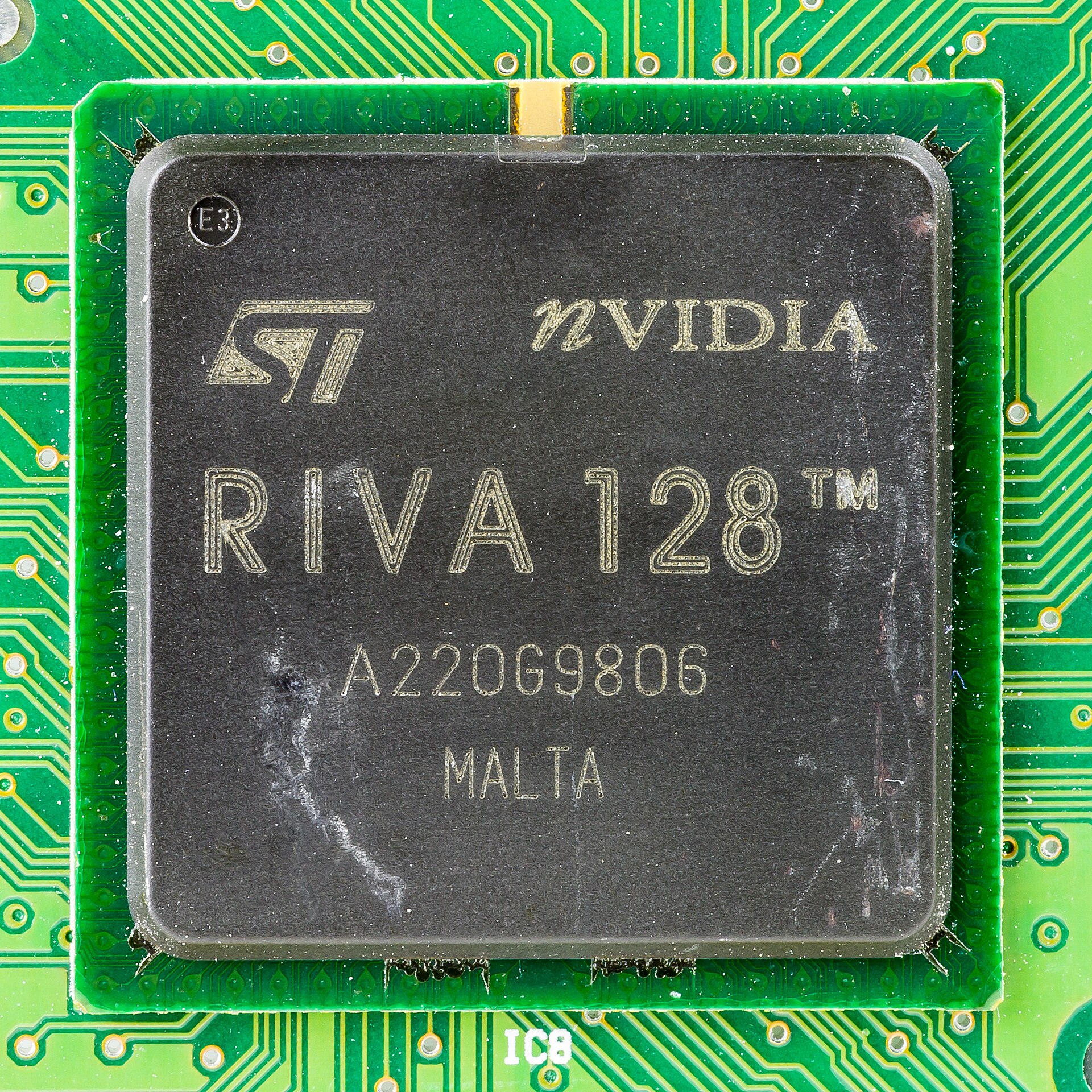
In 1993, Huang co-founded NVIDIA with Chris Malachowsky and Curtis Priem. He has led the company ever since. NVIDIA began as a maker of graphics processors—a specialized, competitive business in the 1990s. Over time, it evolved into the main supplier of hardware (called GPUs, or graphics processing units) for training artificial intelligence systems at massive scale.
The turning point came in 2006, when NVIDIA introduced CUDA, a programming framework that made it easier for researchers and engineers to tap into the GPU's raw power. Instead of writing code for individual chips, developers could write once and NVIDIA's tools would handle the heavy lifting. This proved valuable when deep learning—a form of AI that powers systems like ChatGPT—became practical in the early 2010s. Neural networks benefit enormously from parallel processing, which is what GPUs do best. CUDA became the standard tool.
This advantage compounded. Each new GPU generation—Volta, Ampere, Hopper, Blackwell—extended NVIDIA's lead in both speed and efficiency. NVIDIA also built complete systems (called DGX) that let large companies train AI models without assembling hardware from multiple vendors. By the mid-2020s, NVIDIA's chips sat at the core of nearly every major AI training project globally.
Why This Pattern Matters
Worth flagging: this is not the first time we have seen a single architectural choice dominate computing for decades. Intel's x86 processor design, chosen in the late 1970s, was not the most elegant architecture available—but it accumulated so much software built around it that replacing it became nearly impossible. CUDA follows the same logic. Other programming frameworks for GPU computing existed (OpenCL, SYCL), but NVIDIA invested heavily in developer tools, libraries, and support. Once thousands of engineers knew CUDA better than alternatives, switching became costly.
Huang's insight was recognizing that the real competition was not just about raw chip performance, but the entire ecosystem: the software, the developer experience, and the training systems that companies building AI would need. The IEEE's recognition reflects a judgment that this decades-long systems-level vision represents the kind of contribution the Medal of Honor was meant to honor.
What This Recognition Says
IEEE Medal citations are usually specific about the technical reasons for the award. In Huang's case, the honor covers GPU design, parallel programming models, and the acceleration of artificial intelligence at industrial scale. The journey from consumer graphics (think: video games) to scientific computing to AI infrastructure was not obvious at each step. Competitors with similar technical resources did not follow the same path.
The timing also matters. IEEE tends to give its highest honors once a contribution's impact has become clear and accepted by the engineering community as a whole. With deep learning infrastructure now central to computing, the moment for this recognition has arrived.
The Larger Picture
NVIDIA's dominance in AI hardware has drawn attention beyond just engineering circles. Multiple governments have opened antitrust investigations. Export controls limit sales of advanced chips to certain countries. There are ongoing concerns about relying on one company for critical AI infrastructure. None of this diminishes the technical and organizational achievement IEEE is recognizing, but it is part of the full story of a company operating at the intersection of technology, national security, and economic power.
The April 27, 2026 ceremony brought together winners of IEEE's full range of honors. Huang's Medal of Honor was the most prominent recognition of the day.
For engineers and technologists working in AI, the award confirms what many have understood from experience: the hardware choices NVIDIA made under Huang's leadership became the foundation on which today's AI systems were built.


