The U.S.-Iran Ceasefire Is Running Out of Time
A tentative ceasefire agreement between the United States and Iran, signed on June 17, 2026, gave both countries 60 days to negotiate limits on Iran's nuclear program. That deadline is now approaching with no visible progress. In August 2026, Iran said there had been no movement on reviving the interim peace deal, according to Reuters reporting from August 12.
The agreement established a ceasefire — a pause in fighting — that could be extended if both sides agreed. During those 60 days, the two nations were supposed to reach a final deal covering the end of the war and verifiable limits on Iran's nuclear enrichment, the process of refining uranium to levels that could be used for either civilian energy or, at high enough purity, nuclear weapons. The framework was what Trump's administration described as a broader settlement rather than a simple stop to the fighting. This aligned with the State Department's position, stated as early as June 2025, that "Iran cannot have a nuclear weapon" and that the president "wants a real end, not a ceasefire."
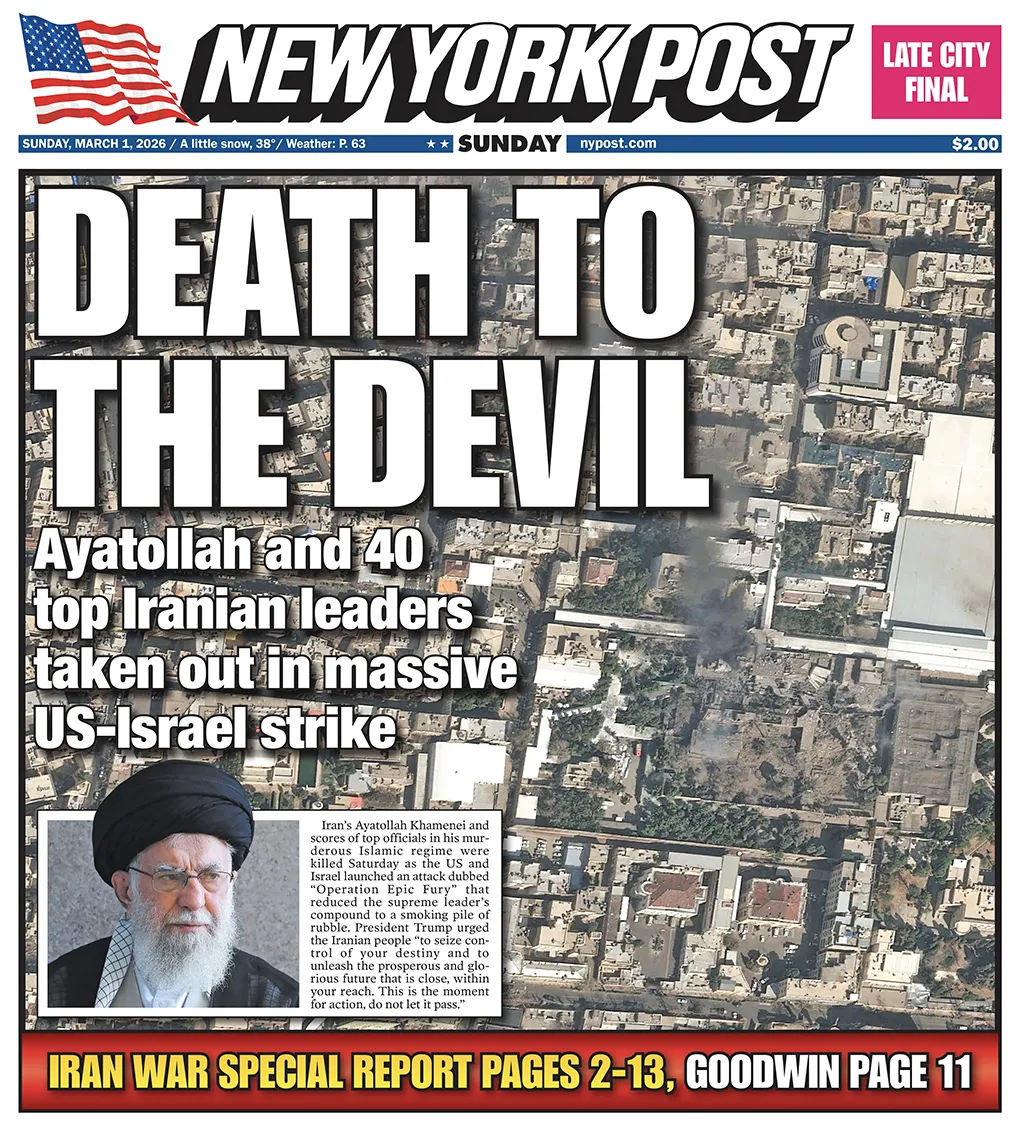
The path to the June agreement was far from straightforward. The war's escalation began in March 2026, when the White House announced Operation Epic Fury, a military campaign explicitly designed to "crush the Iranian regime and end the nuclear threat," citing Iran's ballistic missile development. The White House statement said Trump "gave Iran every opportunity to end its nuclear and murderous ambitions" before authorizing the operation. This followed the administration's June 2025 actions, in which Trump ordered U.S. support for Israel's efforts to stop Iran's nuclear program. The White House later claimed that Operation Midnight Hammer had "obliterated" Iran's nuclear enrichment capacity, with Trump insisting in June 2025 that "monumental damage was done to all nuclear sites in Iran" and that "obliteration is an accurate term."
By April 2026, the situation had already begun to come apart. A new deadline was approaching as the truce wavered, and Trump's own deadline for a threatened attack on Iran — what he termed a "civilization"-ending strike — had already been violated. Since mid-March 2026, Trump had repeatedly claimed a comprehensive deal was close. On June 12, 2026, both Washington and Tehran signaled that an agreement to end the war was imminent. But in the week of June 11, the U.S. and Iran traded strikes that undermined the shaky ceasefire, calling into question how durable any understanding reached days later could be.
The tensions built into the agreement reflect a year of mixed diplomatic signals. In July 2025, the State Department expressed "strong hope of coming forward with another ceasefire as well as a deal with Iran," even as it acknowledged that Russia and Iran had "made statements showing they do not support the peace plan," with some Iranian officials saying they "will try to oppose it." The State Department also noted Iran's refusal to accept any proposal requiring it to "abandon all nuclear consortium outside Iran" — meaning Iran would not agree to dismantle nuclear-related partnerships or infrastructure based beyond its borders.
The broader context here is a negotiation framework in which both sides' publicly stated red lines appear fundamentally incompatible. The U.S. position, repeated across multiple State Department briefings throughout 2025, demands an absolute end to Iran's nuclear weapons capability. Iran's position, as reported by the State Department itself, rejects proposals that would require dismantling nuclear infrastructure beyond its borders. The 60-day clock in the June agreement was always more of a pressure mechanism than a guarantee of resolution, and the reported absence of progress in August suggests that the extendable-by-mutual-consent clause may become the main mechanism for keeping the agreement alive past its nominal expiration.
Looking at what this means for the region's security, the stakes extend well beyond the U.S.-Iran relationship. Trump's parallel diplomatic track with Russia offers a useful comparison: in July 2025, he cut the deadline for a ceasefire deal with Vladimir Putin from 50 days to 10 days, warning of "strong sanctions" — economic penalties meant to pressure a country into compliance — for noncompliance. That compressed timeline produced no visible breakthrough either, suggesting that deadline compression has functioned more as a rhetorical device than as a driver of real concessions in either case.
The violations and strikes that punctuated the ceasefire period in June, even as the agreement was being finalized, point to a fragile enforcement environment. Whether the mutual-consent extension clause gets exercised, or whether either side walks away, will likely determine whether the June 17 agreement becomes the foundation for a negotiated settlement or simply another waypoint in an escalating confrontation cycle that has already included military strikes against nuclear facilities.


