Nigerian Defense-Tech Startup Terra Industries Extends Seed Round to $52 Million
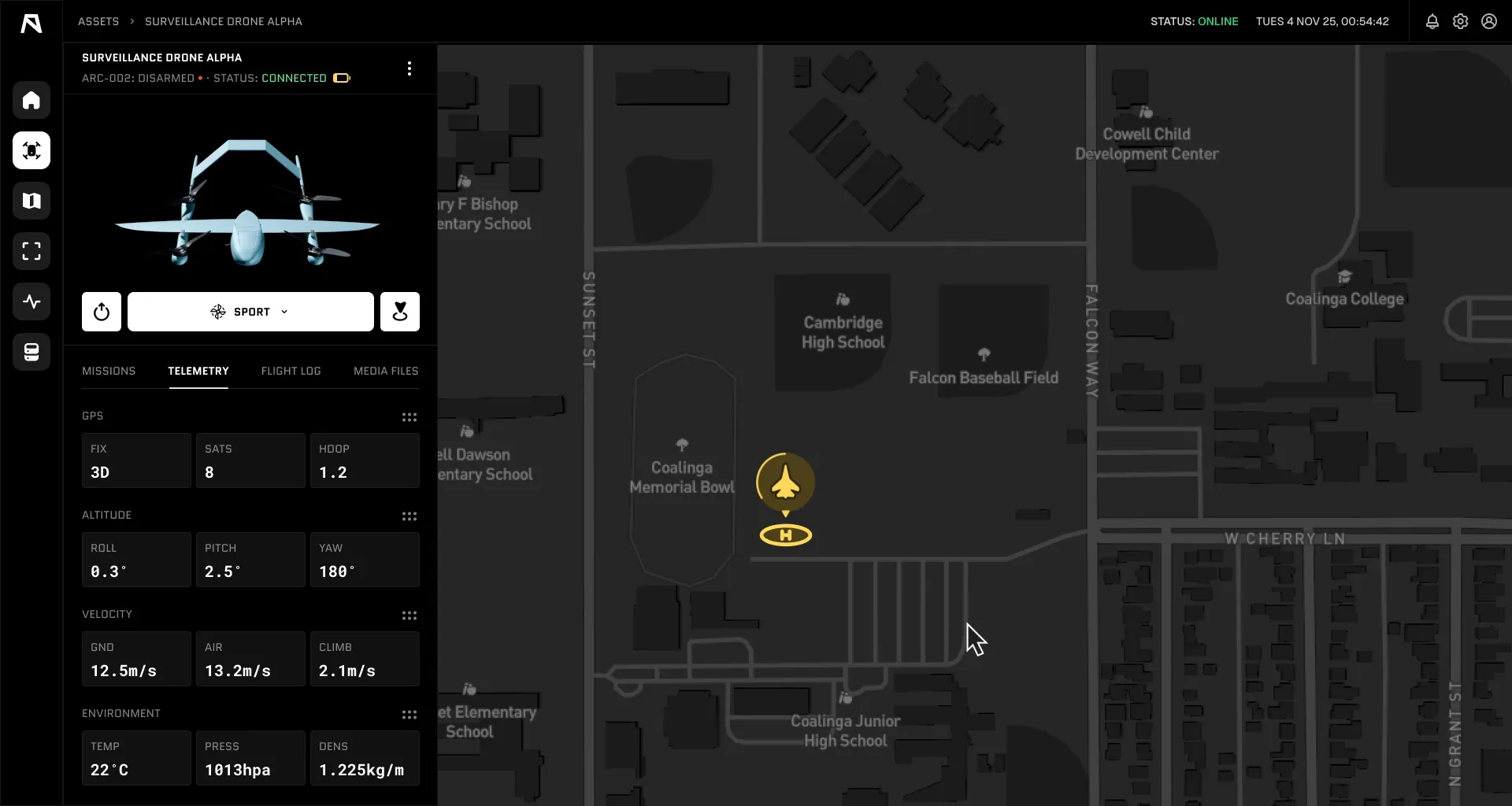
Nigerian defense technology company Terra Industries has added $18 million to its seed round, bringing the total to $52 million. Founded in 2024, the company builds autonomous systems and infrastructure — including drones and mine-detecting combat vehicles — for markets across the Global South.
The extension, announced August 17, follows an already busy funding year. Terra raised an initial $11.75 million seed round in January, then a $22 million extension in February led by Lux Capital that brought the round to $34 million (Tectonic Defense; LinkedIn). The latest $18 million tranche pushes the cumulative seed total to $52 million.
Investors in the seed round include Joe Lonsdale's 8VC, Silent Ventures, and Nova Global. 8VC is also a backer of U.S. defense companies Anduril and Shield AI, firms that have become reference points for the venture-backed defense-tech model — that is, startups funded by venture capital rather than traditional defense contractors or government programs. The participation of established U.S. defense investors in an African company's seed round is notable. It signals that the capital networks that financed the American defense-tech wave are now looking at supply capacity outside traditional Western procurement corridors.
Terra Industries says it is on track to book $100 million in contracts by the end of 2026, including at least one federal contract, and to generate revenue in the tens of millions of dollars. The company frames its competitive set broadly: any defense company that has won government contracts, with particular attention to suppliers from Turkey, China, and the West.
The fresh capital will fund manufacturing expansion across the Global South, a London office, staff hiring, and accelerated product deployment. Terra also plans to open a San Francisco office and build a presence in Washington, D.C. to access capital and U.S. partnerships. The London and D.C. outposts would position the company at the intersection of European and American defense procurement circles while its manufacturing base remains in lower-cost regions.
Bloomberg listed Terra Industries among top African startups in June 2026 (LinkedIn). The company's initial seed raise in January was reported as building "Africa's first defense prime" (Tectonic Defense).
What Terra is attempting sits at the intersection of two trends that have been building independently. The first is the maturation of venture-backed defense technology, a category that barely existed as an investable thesis a decade ago and now commands billions in committed capital, primarily flowing to U.S. companies. The second is the growing demand from Global South governments for indigenous or non-aligned defense suppliers — governments that want to reduce dependence on traditional arms exporters and build their own supply capacity.
Terra's product roadmap targets a category where Western systems carry price tags that put them out of reach for many defense ministries in Africa, Southeast Asia, and Latin America. Turkish and Chinese manufacturers have filled that gap for years with lower-cost alternatives. Terra's bet is that a company designing autonomous systems specifically for Global South operating conditions, manufacturing locally, and pricing accordingly can compete for contracts that Western primes do not pursue and that Turkish and Chinese suppliers currently dominate.
The $52 million seed figure is substantial by African startup standards and unusual for a defense company at this stage anywhere in the world. For context, it exceeds the seed rounds of most venture-backed defense companies at comparable points in their lifecycles.
A note on corporate identity: Terra Industries' official website is terraindustries.co, where the company publishes its own announcements. A separate entity, Terra Industries Pty Ltd, operates terra-industries.com as a parts and components supplier to the automotive, earthmoving, and agricultural sectors. The two are unrelated.
The broader context here is whether the venture-backed defense model that produced Anduril, Shield AI, and a growing roster of U.S. primes is exportable. The model depends on a combination of risk capital, a procurement system willing to buy from non-traditional suppliers, and a talent base capable of building autonomous systems at pace. Terra is operating in environments where at least two of those three ingredients are less developed than in the United States. The company's decision to establish offices in London, San Francisco, and Washington suggests an awareness that bridging those gaps, rather than working entirely within them, is part of the strategy.
In my view, the central question the round raises is whether Terra can execute on its $100 million contract pipeline and its manufacturing buildout simultaneously, from a base of roughly two years of operation. The outcome will matter beyond Terra's own valuation. If a venture-backed African defense company can scale manufacturing, win federal contracts, and compete with established suppliers from Turkey and China, it would suggest that the geography of defense-tech investment is widening in ways that the current concentration of capital in the U.S. and Europe does not yet reflect.


