Final Fantasy Resonance: Square Enix Brings Its Retro-Modern Style to Its Flagship Series

Final Fantasy Resonance: Square Enix Brings Its Retro-Modern Style to Its Flagship Series
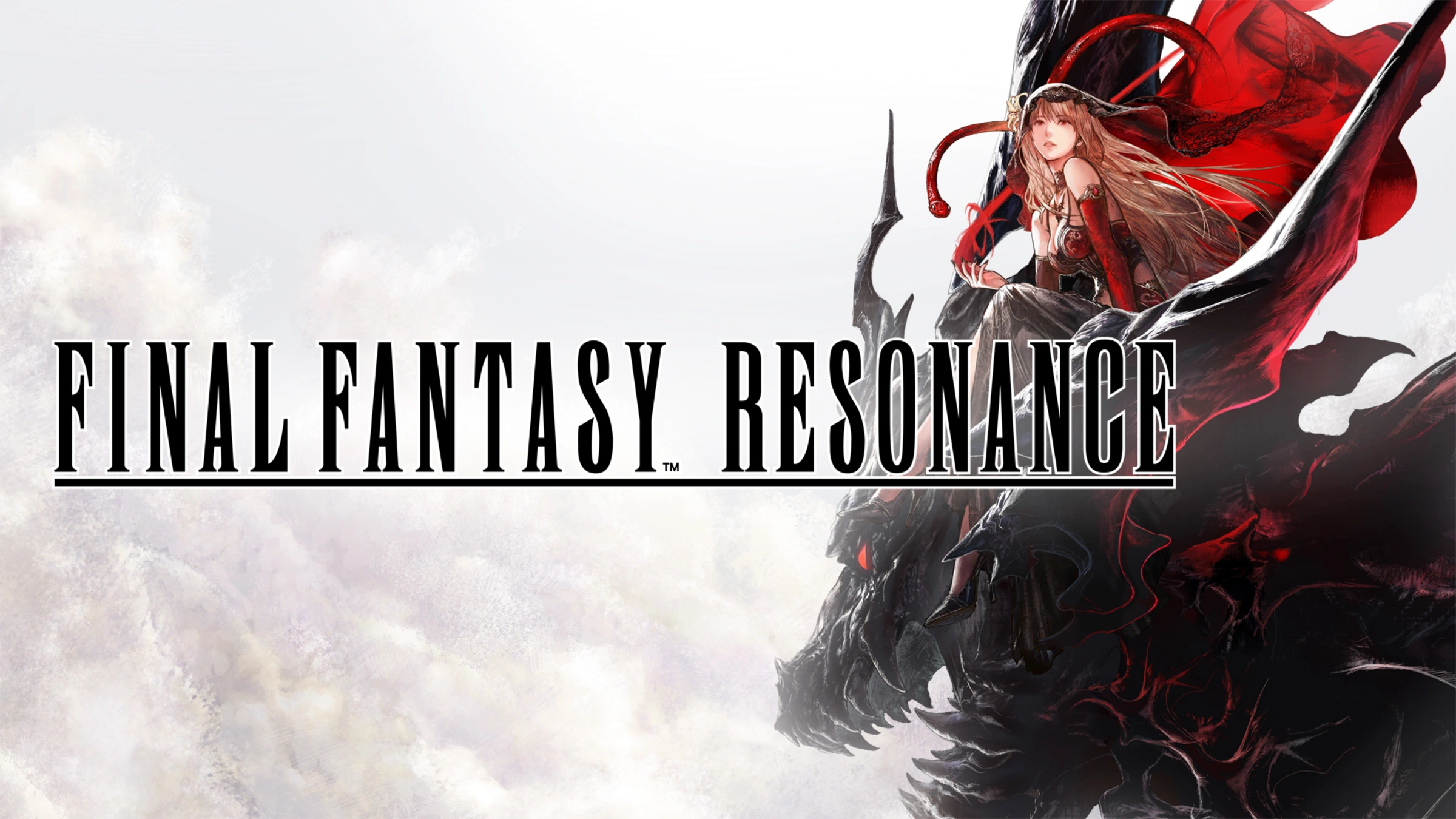
Square Enix has announced Final Fantasy Resonance, the first mainline Final Fantasy game to use the HD-2D visual style. The game launches October 22, 2026, on Nintendo Switch and PC, and is now available for pre-order. The announcement came during a Nintendo Direct presentation. Square Enix Press
What Is Final Fantasy Resonance?
Final Fantasy Resonance is an RPG built on the world of Final Fantasy: Brave Exvius, a mobile game that Square Enix has operated since 2016. That mobile title built a dedicated audience around one core idea: you can recruit and battle alongside famous characters from across the entire Final Fantasy series' 35-plus-year history. Resonance takes that same concept and reimagines it as a standalone premium game using a visual technique called HD-2D.
HD-2D is a rendering approach developed by Square Enix that combines two visual layers. The environments are built in 3D with modern effects — dynamic lighting, shadows, particle effects — but the characters are rendered as pixel art, the same style used in older games. The result looks like a modern game viewed through a retro lens. The technique first appeared in Octopath Traveler (2018) and has since been used in Triangle Strategy, Live A Live, the Octopath Traveler sequel, and the Dragon Quest III HD-2D Remake. Until now, no mainline Final Fantasy title has used it, which is notable because the series itself originated as a pixel-art game in 1987.
The Mobile Game Connection
Final Fantasy: Brave Exvius launched on mobile in Japan in 2015 and globally in 2016, created by Alim with Square Enix. At its peak, it was one of the highest-earning mobile RPGs. The game's appeal was straightforward: assemble a team of Final Fantasy characters — heroes and villains alike — rendered as sprites and take them into battle.
Resonance inherits that mechanic. You'll call upon recognizable characters from Final Fantasy history, and that recruitment system is the game's defining feature. From a production perspective, this matters because HD-2D needs to handle character sprites and animations from different eras of the series, each with its own visual style.
Platform and Release
The October 22, 2026 release targets Nintendo Switch and PC at the same time. Square Enix announced the game during a Nintendo Direct, following its recent pattern of using Nintendo's events to highlight games with strong Switch presence. Octopath Traveler followed a similar path — launching on Switch before expanding elsewhere.
No PlayStation or Xbox versions have been announced. Details about which PC storefronts will carry the game (Steam, Epic Games Store, or Square Enix's own store) have not been clarified in available materials.
Pre-orders are open, though specific bonus items or special editions haven't been detailed yet.
Why This Move Matters
HD-2D started as an experiment around eight years ago and has evolved into a deliberate sub-brand for Square Enix. Extending it to Final Fantasy — the company's most recognizable IP worldwide — is a significant statement about how much the studio believes in the approach.
There's a helpful precedent here. When Square Enix first showed Octopath Traveler in 2017, the industry reaction was largely skeptical. The common view was that this retro-modern style was a niche experiment, a nostalgic curiosity for a new, modest game. I was covering that announcement from a press desk in San Francisco, and the mood in the room was polite doubt. What happened instead surprised the market: Octopath Traveler sold over 3.5 million copies. That success convinced Square Enix to build an entire production pipeline around HD-2D. Bringing Final Fantasy under that umbrella is the clearest signal yet that the company views HD-2D not as a side project, but as a core way to deliver premium RPG experiences.
The Creative and Technical Work Ahead
Adapting the Brave Exvius world to HD-2D involves real production challenges. The mobile game has hundreds of character units, each with sprite-based animations designed for mobile devices. Bringing those characters into HD-2D means either recreating them in higher-resolution pixel art with the layered lighting that defines the style, or carefully selecting which ones to remake. Either way, it's a substantial amount of art and animation work.
The Switch version will run on Nintendo's current hardware. HD-2D tends to work well on the Switch because the art style doesn't demand cutting-edge graphics processing power in the way photorealistic games do. The fact that Switch and PC versions launch simultaneously suggests Square Enix learned from earlier HD-2D releases that managing staggered launches across platforms creates unnecessary friction.
Where This Fits in Final Fantasy's Bigger Picture
Final Fantasy Resonance occupies a middle ground in Square Enix's current strategy. The company has invested heavily in high-budget, high-stakes Final Fantasy titles like Final Fantasy XVI (2023) and Final Fantasy VII Rebirth (2024). At the same time, it maintains a roster of mobile games. Resonance sits between those poles: it's a premium, full-price game built on cost-effective technology that still looks and plays like a contemporary title.
This positioning reflects a deliberate choice. HD-2D offers a way to create games that feel premium and polished without requiring the budget and years of development that photorealistic AAA games demand. For a franchise as vast as Final Fantasy, with decades of characters and stories to draw from, that's a practical framework.
The real test will come after the game launches. Whether audiences who never played the mobile game can connect with a story rooted in Brave Exvius continuity is an open question. Sales and player reception on October 22, 2026, will provide the answer.