Tens of Thousands Mourn Jason Arday in London, Blaming Press for His Death
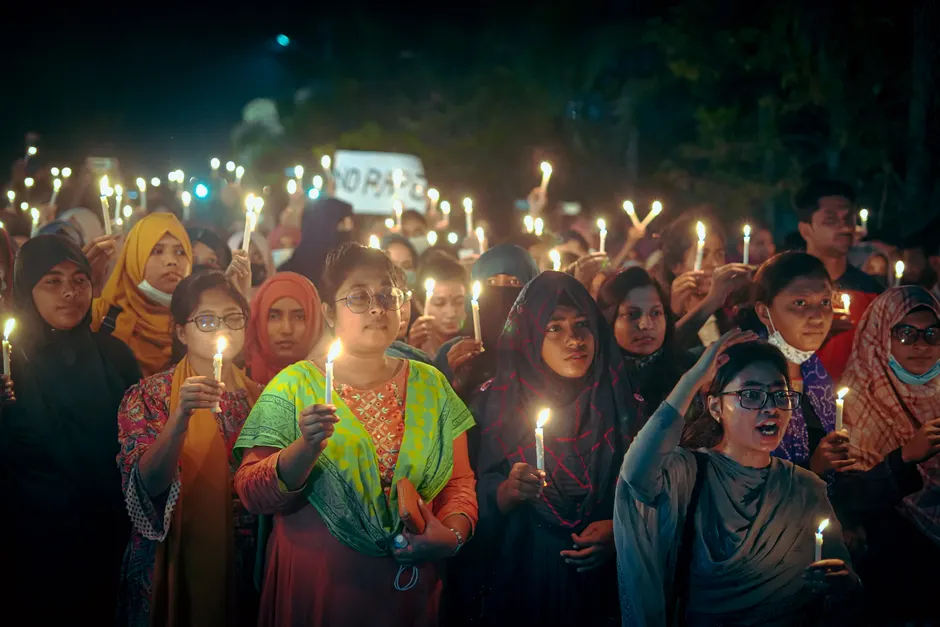
Tens of thousands of mourners dressed in black filled London's Trafalgar Square on August 17, 2026, for a vigil honouring Jason Arday, the 41-year-old former Cambridge University professor who was found dead at his home in Battersea, south London, two weeks after resigning from his post Al Jazeera. The Guardian placed the crowd at approximately 30,000 The Guardian. A separate vigil in Cambridge drew more than 200 attendees BBC.
London's Metropolitan Police said Arday's death was being treated as "unexpected" but "not believed to be suspicious," meaning investigators saw no evidence of foul play. The cause of death has not been made public Al Jazeera. Emergency services had been called to his home on the Friday before his death was reported The Guardian.
Arday was the youngest Black professor in Cambridge University's history. The controversy that engulfed him centred on allegations that he plagiarised (copied without attribution) parts of his 2015 doctoral thesis and embellished details of his personal biography. Arday denied the allegations Al Jazeera.
Liverpool John Moores University, which awarded the doctorate, cleared him of plagiarism. Cambridge, however, initially dismissed the allegations as a "vile campaign" to undermine his credibility before later opening a review of his appointment as the controversy continued Al Jazeera. On August 5, Arday resigned, saying the "relentless accusations" had taken a "profound toll" on him and his family Al Jazeera. Earlier that month, The Guardian had reported Arday's claim that he was paid £1.4 million by his memoir publisher Simon & Schuster The Guardian.
At the Trafalgar Square vigil, mourners carried signs reading "Rest in power Professor Jason Arday," "Stop racist media now," and "Racism within mainstream media is responsible for Jason Arday's death" Al Jazeera. Speakers included MPs, friends, and campaigners The Guardian. Social worker Paul Vincent, who attended the vigil, said the case had become "fodder for ideological point-scoring" for the right and far right Al Jazeera.
Cambridge Chancellor Chris Smith, Lord Smith of Finsbury, condemned what he called a "racist feeding frenzy" in a statement issued after Arday's death Al Jazeera. Greater Manchester mayor Andy Burnham also paid tribute The Guardian. Cambridge University defended its mental health support in the wake of the death The Guardian.
A petition started by the Good Law Project, a legal advocacy campaign group, calling for a public inquiry into the media's conduct had gathered more than 96,000 signatures by the Monday of the vigil Al Jazeera. The petition argued that Arday's "tragic death was the direct, foreseeable and foreseen result of press harassment" and that "a significant element in that harassment was the colour of his skin." It cited university vice chancellor George Holmes and Cambridge professor William O'Reilly as white academics who faced comparatively little scrutiny over similar allegations Al Jazeera.
According to media analysis organisation NewsCord, approximately 249 articles about Arday were published in UK media in the 22 days before his death Al Jazeera.
The sequence of events is compact. Arday resigned on August 5. His memoir deal claim was reported August 6. He was found dead on Friday, August 14, with The Guardian breaking the story that day The Guardian. Tributes followed on August 15 The Guardian. Cambridge's mental health support came under scrutiny on August 16 The Guardian. The Guardian published an editorial on August 17 titled "The Guardian view on Jason Arday: a tragedy that demands reflection" The Guardian. The Trafalgar Square and Cambridge vigils took place the same weekend The Guardian BBC.
The broader context here is one of institutional tension. Cambridge simultaneously defended its processes while opening a review of Arday's appointment. Liverpool John Moores cleared him of plagiarism, yet the allegations persisted in media coverage. The volume of that coverage, quantified by NewsCord at roughly 249 articles in under a month, is central to the case the Good Law Project is building. The petition's comparative framing, invoking Holmes and O'Reilly, raises questions about whether scrutiny in academic misconduct cases is applied evenly across racial lines. The Metropolitan Police's designation of the death as "unexpected" but "not believed to be suspicious" leaves the cause officially undetermined, which in turn leaves the causal link mourners and petitioners draw between media conduct and Arday's death unconfirmed by any official finding. What is documented is the timeline: a resignation citing "relentless accusations" and "profound toll," followed ten days later by a death that has prompted a chancellor to denounce a "racist feeding frenzy," nearly 100,000 petition signatures, and a public mourning measured in the tens of thousands.


