ICE Bans Meta Smart Glasses on Duty While Funding Its Own Pair

U.S. Immigration and Customs Enforcement has told employees they cannot wear Meta smart glasses while working, according to a memo first reported by The New York Times on August 18, 2026. The policy covers all ICE employees, not just agents in the field.
The memo warned that "the use of Meta Glasses or similar devices could unintentionally capture, record, or transmit sensitive information, potentially compromising privacy and legal protections." A Department of Homeland Security spokesperson told The New York Times that ICE workers have "always" been barred from using "personally owned body-worn cameras," framing the Meta glasses restriction as an extension of existing policy rather than a new prohibition (Engadget).
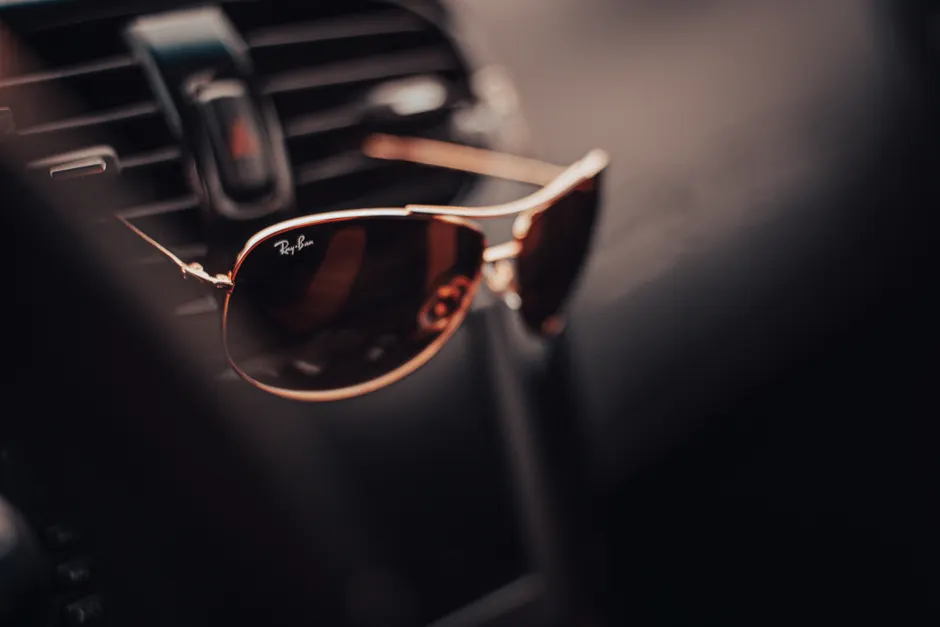
The directive arrives amid a well-documented pattern of officers already using the devices on duty. 404 Media reported that a Customs and Border Patrol agent was spotted recording with Meta smart glasses during a raid, despite the policy. A separate investigation by The Independent, published in March 2026, identified immigration officers wearing Meta glasses in at least six states (The Independent).
That timeline is notable. Officers were observed using commercially available Meta Ray-Ban smart glasses in the field months before ICE issued its August 18 memo. The gap between observed adoption and formal prohibition suggests the policy is reactive rather than precautionary.
The prohibition on personal devices also coexists with an active government effort to field an official equivalent. Budget documents reported by independent journalist Ken Klippenstein indicate ICE hopes to equip its officers with custom smart glasses featuring biometric identification — the ability to match a person's face or other physical traits against a database — by next year. DHS is reportedly interested in pursuing an official version of smart glasses for its agency. NewsNation reported in May 2026 that DHS allocated an estimated $7.5 million to equip ICE officers with a prototype of AI glasses (NewsNation). In April 2026, Courthouse News reported that DHS "startled Congress" with a request for millions of dollars to develop ICE smart glasses (Courthouse News).
The tension here is straightforward: consumer smart glasses are deemed too risky for officers to wear on duty because they may capture sensitive information, yet the agency is simultaneously funding its own smart-glasses program designed for exactly that operational environment. The distinction DHS is drawing hinges on device ownership and data control. A personally owned pair of Meta glasses streams through Meta's infrastructure, with all the attendant questions about data retention, metadata exposure, and third-party access that consumer cloud-connected devices raise. A government-issued device, in theory, routes through agency-controlled pipelines with audit trails and chain-of-custody protections — the documented history of who handled a piece of evidence and when.
Whether that theory holds in practice is a separate question. Government-procured body cameras and surveillance tools have historically faced their own implementation failures, from footage access disputes to evidence-handling gaps. The $7.5 million prototype allocation suggests the program is still early-stage; the biometric identification capability ICE reportedly envisions would add significant civil-liberties dimensions that consumer Meta glasses, which lack on-device biometric matching, do not currently present.
For the technology industry, the episode is an early case study in how consumer wearables collide with law enforcement's operational and legal constraints. Meta's Ray-Ban smart glasses, which ship with always-available photo and video capture, were not designed with evidentiary chain-of-custody or controlled-data-environment requirements in mind. Their adoption by officers in the field appears to have outpaced agency policy, forcing ICE to retroactively draw a line between personal and official use of a category of device the agency itself is actively trying to procure.
The August 18 memo closes that gap for personal devices. The government's own smart-glasses program, with its biometric ambitions and congressional scrutiny, is still in development.