Australian Dollar Slips to US70.83c as Global Risk Appetite Fades
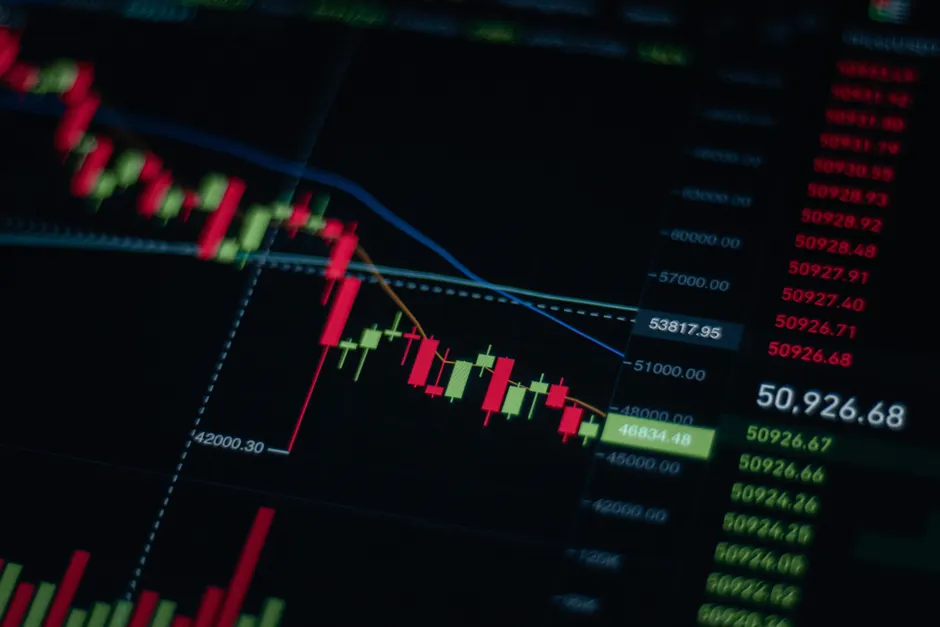
The Australian dollar dropped to US70.83 cents on August 19, 2026, as Wall Street slumped on a broad sell-off in AI stocks and the ASX was set to dip at the open. The move extends a risk-off tone — meaning investors are pulling back from riskier assets and seeking safer ones — that intensified the prior session, when the S&P 500 fell on Tuesday, August 18, pressured by sovereign bond yields reaching multidecade highs amid persistent inflation concerns (CNBC).
On August 19, the yield on the 10-year US Treasury edged down, though bond-market yields stayed elevated worldwide (SMH). The yield on a bond is the annual return an investor receives for holding it; when yields rise, bond prices fall. The modest retracement in Treasury yields was not enough to stabilize sentiment in equities, where AI-related names bore the brunt of selling pressure. The convergence of sticky inflation signals, elevated sovereign yields, and equity-market de-risking presents a textbook risk-off configuration for the Australian dollar, which trades as a proxy for global growth and commodity demand — meaning that when global growth looks strong, the Aussie tends to rise, and when fear sets in, it tends to fall.
The Aussie's slide to US70.83c marks a notable retreat from the levels seen earlier in 2026. On April 17, the currency was trading at US$0.7178, up 0.2% on the day and near four-year highs (Reuters). That was a period when deteriorating US dollar sentiment, partly linked to geopolitical developments, was supportive of risk-sensitive currencies. The roughly 1.3-cent decline from those April highs to current levels reflects a meaningful shift in the macro backdrop, with sovereign yields reasserting themselves as the dominant driver.
The trajectory over the past year underscores how sensitive the Australian dollar is to shifts in monetary-policy expectations and broader risk appetite. On October 27, 2025, the Aussie rose 0.63% to US$0.6554 on the back of hawkish commentary from Australian authorities — "hawkish" meaning officials signalled a willingness to keep interest rates higher for longer (Reuters). By November 10, 2025, it strengthened 0.72% as risk appetite improved broadly (Reuters). The climb from the mid-65s in October to the 71-72 cent range by April was driven by a combination of relatively hawkish domestic policy positioning and a softening US dollar. The current pullback to US70.83c suggests the market is re-evaluating whether that tailwind persists.
An Australian central banker noted on March 18, 2026, that the US dollar remains a safe haven for investors, with the dollar index up 0.51% and the euro down 0.5% at $1.148 that day (Reuters). That assessment is directly relevant now. When sovereign yields climb to multidecade highs and equity volatility rises, capital tends to rotate back toward the dollar, pressuring risk-sensitive currencies like the Aussie regardless of domestic fundamentals.
The broader context here is a market grappling with the persistence of inflation. When bond yields reach multidecade highs, the discount rate applied to future earnings widens, hitting growth and AI stocks hardest. The discount rate is the interest rate used to calculate the present value of a company's future profits; a higher rate makes those future profits worth less in today's terms. The S&P 500's August 18 decline was a direct expression of that mechanism. For the ASX, the spillover is twofold: equity index futures were pointing lower, and the weaker Australian dollar amplifies the cost of imported inputs for domestically oriented businesses while boosting the translated earnings of exporters. Whether that currency cushion offsets the equity drag depends on sector composition and individual balance sheets.
For traders and asset managers, the key question is whether the yield-driven risk-off pulse is transitory or the start of a more sustained repricing. The 10-year Treasury yield edged down on August 19, which could signal near-term stabilization. But with yields still elevated globally and inflation concerns unresolved, the path of least resistance for the Australian dollar may remain downward unless there is a clear catalyst for renewed risk appetite. The currency's recent range has been wide, from the mid-65s last October to near 72 cents in April, reflecting a market still searching for a durable macro direction.
What is verifiable at this point is the configuration: AI-led equity weakness, elevated sovereign yields, a softer Aussie, and an ASX poised to open lower. What happens next depends on whether the inflation data and central-bank commentary in the coming days reinforce or challenge the bond-market repricing that drove the sell-off.