FCC Chair Brendan Carr's White House Meetings and Media Enforcement Actions, Explained
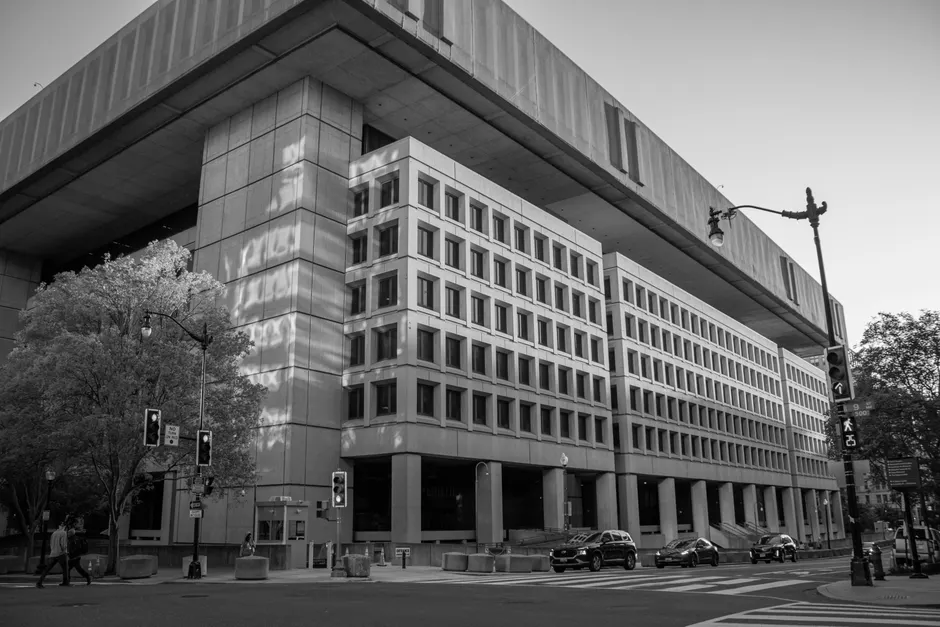
FCC Chairman Brendan Carr held at least eight White House meetings and at least three scheduled calls with administration officials between 12 March 2025 and 11 February 2026, according to FCC records obtained by the advocacy group Democracy Forward through a Freedom of Information Act request and subsequent lawsuit. The documents, provided to the Guardian, also detail Carr's communications with conservative media executives and producers at Fox News, including previously undisclosed meetings with Fox Corp chief executive Lachlan Murdoch and Sinclair Broadcast Group chair David Smith (The Guardian).
The records reveal a chairman operating in unusually close coordination with the executive branch. Carr's scheduled calls included two conversations with White House chief of staff Susie Wiles and a phone call with health secretary Robert F. Kennedy Jr. On 29 August 2025, Carr was listed as organizer of a White House deputies meeting focused on "FAA/Spectrum issues," joined by FCC chief of staff Greg Watson and senior counsel Arpan Sura. A November 2025 White House meeting Carr attended was titled "Drones - Principals meeting." A 2 June 2025 calendar entry recorded only that Carr attended a "WH mtg" with no further details (The Guardian).
When asked by Politico's Dasha Burns about his communications with the White House, Carr said that as a general rule he does not discuss whether he has conversations with the White House (The Guardian).
The documentation of Carr's White House access coincides with a series of enforcement actions against major broadcast networks. Carr issued an order forcing ABC to apply early to renew its eight local broadcast licenses, described as unprecedented, one day after Donald Trump and Melania Trump called for ABC to be punished over a joke by late-night host Jimmy Kimmel (The Guardian). On 14 January 2026, Carr defended the actions against ABC, stating that broadcasters have a duty to operate in the public interest (AP News).
The ABC action was not an isolated measure. In January 2025, the FCC reinstated complaints against ABC, CBS, and NBC (The Guardian). By March 2026, Carr publicly warned that broadcasters could lose their licenses over certain coverage related to the Iran war (The Guardian). He also posted that he might cancel the spectrum permits of "mainstream news" outlets for "misleading" coverage of the Iran war (The Guardian). Carr had earlier sent letters to the BBC (dated 29 July 2025), Comcast (27 March 2025), and Disney CEO (19 March 2025) (FCC).
The Foundation for Individual Rights and Expression said Carr has shown he will not hesitate to weaponize the FCC against outlets the administration dislikes (The Guardian). Dan McGrath, special counsel for oversight at Democracy Forward, said the records show broad access to FCC leadership for the administration's political allies, conservative media figures, and powerful industry interests (The Guardian).
Carr was designated FCC chairman by President Trump on 20 January 2025, having previously served as the agency's general counsel (FCC). In a December 2025 summary, Carr described 2025 as "a historic year for the FCC" (FCC). He has also emphasized the economic dimension of the agency's spectrum work, projecting that a spectrum auction could raise $30 to $60 billion for the U.S. Treasury while making wireless service faster and cheaper (Fox News).
The spectrum and drone-policy meetings logged in Carr's calendar point to the FCC's regulatory portfolio intersecting with White House priorities on telecommunications infrastructure and national security airspace management. Spectrum refers to the radio frequencies that carry wireless communications, and the FCC oversees who gets to use them. The FAA/Spectrum meeting Carr organized in August 2025 and the November 2025 "Drones - Principals meeting" both sit at the intersection of agencies with overlapping jurisdiction over commercial spectrum use and unmanned aerial systems.
Several questions arise from the record that the documents alone cannot answer. The FCC is structured as an independent agency, meaning it is designed to make decisions free from direct executive branch control. The frequency and substantive range of Carr's White House engagements, covering everything from spectrum policy to media enforcement, will invite scrutiny from both congressional oversight bodies and public-interest groups. The Democracy Forward lawsuit that produced these records suggests further disclosures may follow.
The broader context here is the pattern that emerges across these documents and public actions. From the reinstated network complaints in January 2025 to the Iran war license threats in March 2026, Carr has used the agency's licensing and regulatory authority in ways that align with administration positions on media coverage. Whether that alignment reflects coordinated decision-making or independently held views that happen to converge is a distinction Carr's refusal to discuss White House communications leaves unresolved. Commissioner Anna M. Gomez serves alongside Carr on the five-member commission (FCC), and the commission's internal dynamics on these enforcement decisions remain to be tested as the cases proceed.
What bears watching is whether the FCC's licensing actions survive legal challenge. Broadcast license renewals have historically been administrative proceedings, not punitive instruments. If Carr's approach to ABC, the Iran war coverage warnings, and the spectrum permit threats are litigated, courts will weigh whether the FCC's actions meet the statutory standard of serving the public interest or whether they constitute viewpoint-based retaliation, a threshold that First Amendment jurisprudence sets high.


