Zambia's Opposition Heads to Court Over Presidential Election Result
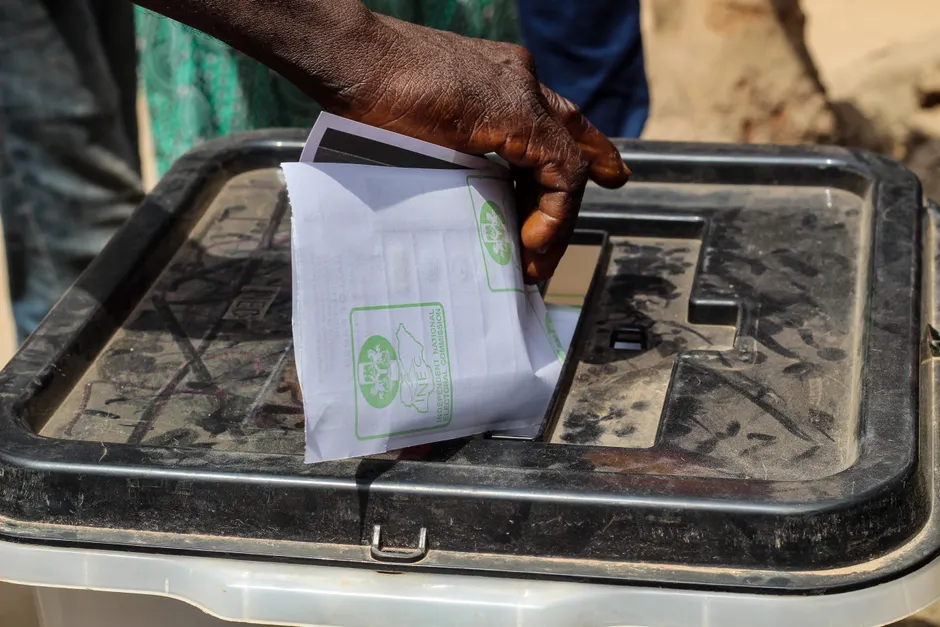
Zambian opposition leader Brian Mundubile announced on August 19, 2026, that he will challenge the result of the country's presidential election in court, alleging voting fraud. The move sets up a legal confrontation over an election that the electoral commission declared decisively in favour of incumbent President Hakainde Hichilema, who secured approximately 60 percent of the vote against Mundubile's 38 percent. The contested result hands Hichilema, 64, a second term in office. Al Jazeera
Mundubile's campaign says it has documented "serious irregularities, inconsistencies and circumstances" surrounding the conduct, counting, transmission, and declaration of results. The August 13 election, held in the southern African nation of roughly 22 million people, was disrupted throughout the electoral cycle. The Zambian electoral commission suspended vote-counting for hours due to reports of violence against polling staff and ballot paper theft. Al Jazeera
The opposition had complained of intimidation and restrictions marring its campaign in the weeks before the vote. Those tensions escalated sharply after the election. Zambian authorities arrested 11 people, including leading opposition figures, in a raid that involved an exchange of gunfire while Mundubile was present. UN High Commissioner for Human Rights Volker Türk said he was concerned over the arrests and stressed that all detentions must be consistent with international human rights standards and Zambian domestic law. Al Jazeera
Hichilema entered the race as the clear favourite, having steered Zambia through an economic turnaround and a debt restructuring programme. Analysts cited the advantages of incumbency and a fractured opposition as key factors favouring his re-election. Reuters Yet legal experts had flagged the contest as tight enough that a court might ultimately have to decide the winner. DW Africa
Under Zambia's electoral framework, Hichilema was due to be sworn in within seven days of the commission publishing the official results, a deadline that falls by August 24. Mundubile's planned court challenge could delay that process, depending on how quickly the Constitutional Court moves to hear the case. The court has jurisdiction over presidential election petitions under the Electoral Process Act. The National Assembly published the Electoral Process (Amendment) Bill, 2026 on April 17 of this year, proposing amendments concerning the election and distribution of seats and the filing of nomination petitions. Separately, the Constitution of Zambia (Amendment) Bill, 2025 proposed revising the electoral system for National Assembly elections and provided that an election petition shall be concluded. Zambia National Assembly
The broader context here is that Zambia, long regarded as one of Africa's more stable multiparty democracies, has seen its electoral institutions tested before. Presidential election petitions are not unprecedented, and the legal architecture for adjudicating them is well established. What distinguishes this challenge is the combination of a documented record of electoral disruptions during the count, a raid on opposition figures that drew UN scrutiny, and a margin of victory large enough that the court will need to assess whether the alleged irregularities are sufficiently systematic to plausibly alter the outcome. A 22-point gap is not easily overturned, but Zambian courts have shown willingness to scrutinise the integrity of the electoral process itself, not merely the arithmetic.
The timeline is tight. With the swearing-in window closing by August 24 and the Constitutional Court required to conclude election petitions, the coming days will test whether Zambia's legal institutions can adjudicate a contested result within the constitutional timetable. The involvement of the UN human rights chief raises the diplomatic stakes, particularly if further arrests or restrictions on opposition activity accompany the legal proceedings.


