Trump's "Most Crushing" Iran Sanctions: What the Escalation Targets and Why It Matters
On August 20, 2026, US President Donald Trump announced what he called his "most crushing" sanctions against Iran, stepping up a pressure campaign that has intensified steadily over the first 19 months of his second term. Trump said the goal of US policy remains preventing Tehran from obtaining nuclear weapons Al Jazeera.
The announcement follows a clear path. In February 2025, Trump signed National Security Presidential Memorandum-2 (NSPM-2), which restored the "maximum pressure" framework on Iran from his first term. That memorandum reactivated a set of economic restrictions and directed federal agencies to tighten enforcement across sanctions, financial limits, and diplomatic isolation White House Fact Sheet. One year later, in February 2026, Trump signed an Executive Order reaffirming the ongoing national emergency with respect to Iran and creating a new process to impose tariffs on the Iranian government, expanding the toolkit beyond traditional sanctions White House Fact Sheet.
Sanctions are government-imposed economic penalties designed to pressure a country by cutting off its access to money, trade, or financial systems. Tariffs, by contrast, are taxes on imported goods; applying them to Iran adds a trade-policy lever that the administration can use without needing approval from Congress.
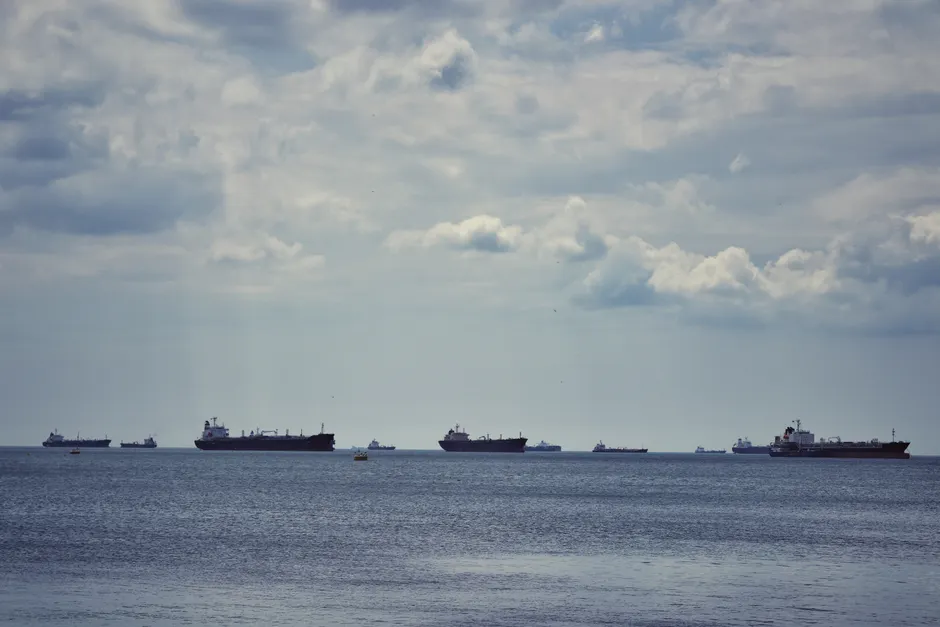
Between those two White House actions, the Treasury's Office of Foreign Assets Control (OFAC), the agency responsible for administering US sanctions, carried out what it described as its eighth action targeting Iran's "shadow banking" system in 2026, sanctioning Iranian banks and their front companies US Treasury. In July, OFAC sanctioned over 100 vessels linked to Iran's "shadow fleet," disrupting what Treasury identified as an illicit maritime insurance scheme connected to the Strait of Hormuz US Treasury. On August 7, OFAC sanctioned cryptocurrency exchanges that the department said fund Iran's Islamic Revolutionary Guard Corps (IRGC) and enable illicit finance US Treasury. Each layer has targeted a different node in Iran's evasion infrastructure: banking, shipping, and now digital finance.
The August 20 announcement also follows a brief diplomatic window that opened and closed earlier this year. On February 19, Trump said negotiations with Iran to end the standoff were going well but demanded that Tehran reach a "meaningful" agreement Reuters. On the same day, Trump gave Iran 10 to 15 days to make a deal, warning that "really bad things" would otherwise happen Reuters. No agreement materialized within that timeframe. The six-month gap between the February ultimatum and the August sanctions announcement suggests a shift from coercive diplomacy, which combines negotiation with threats of punishment, toward outright escalation, though whether a backchannel exists remains undisclosed.
The broader context here is a deliberate, multi-layered campaign that mirrors the structure of the first-term maximum-pressure strategy while extending into areas the earlier version never reached. NSPM-2 reactivated the baseline. The February 2026 executive order added tariffs as a complementary lever, a tool outside the OFAC sanctions system that gives the administration a trade-policy instrument deployable without congressional authorization. The OFAC actions throughout 2026 have systematically dismantled the evasion networks Iran built to circumvent earlier rounds of pressure, targeting the shadow banking system, the maritime shadow fleet, and now cryptocurrency infrastructure. Each action narrows the lanes available for sanctions evasion.
Several factors shape what comes next. The sanctioning of over 100 vessels is particularly significant for its Strait of Hormuz dimension; that waterway carries roughly a fifth of global oil trade, and actions that disrupt Iran's maritime insurance schemes there affect not just Iranian exports but the risk calculations for all commercial shipping transiting the strait. The crypto-exchange sanctions signal that OFAC is now integrating digital-asset enforcement into its Iran strategy, closing a channel that emerged as a sanctions-evasion workaround after earlier banking restrictions.
Trump's framing of the measures as "most crushing" positions this round as a qualitative intensification rather than incremental tightening. Whether the sanctions produce a different outcome than the first-term maximum-pressure campaign, which did not compel Iran to accept a new nuclear agreement, will depend on factors outside the sanctions themselves: the cohesion of any international enforcement coalition, Iran's domestic economic resilience, and whether the administration pairs economic pressure with a credible diplomatic off-ramp. The February talks failed to produce one. No new negotiating track has been announced alongside the August 20 sanctions.


