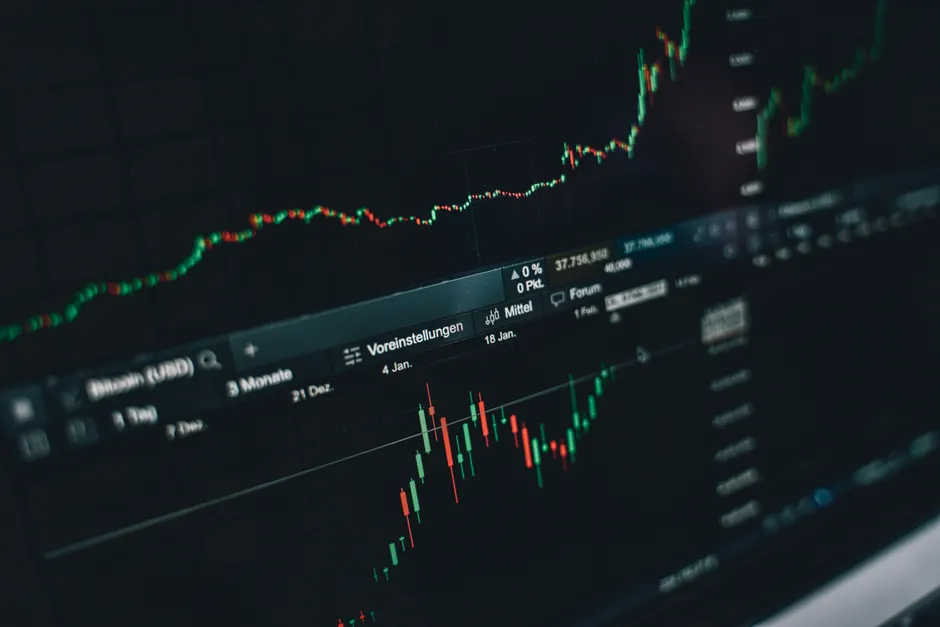
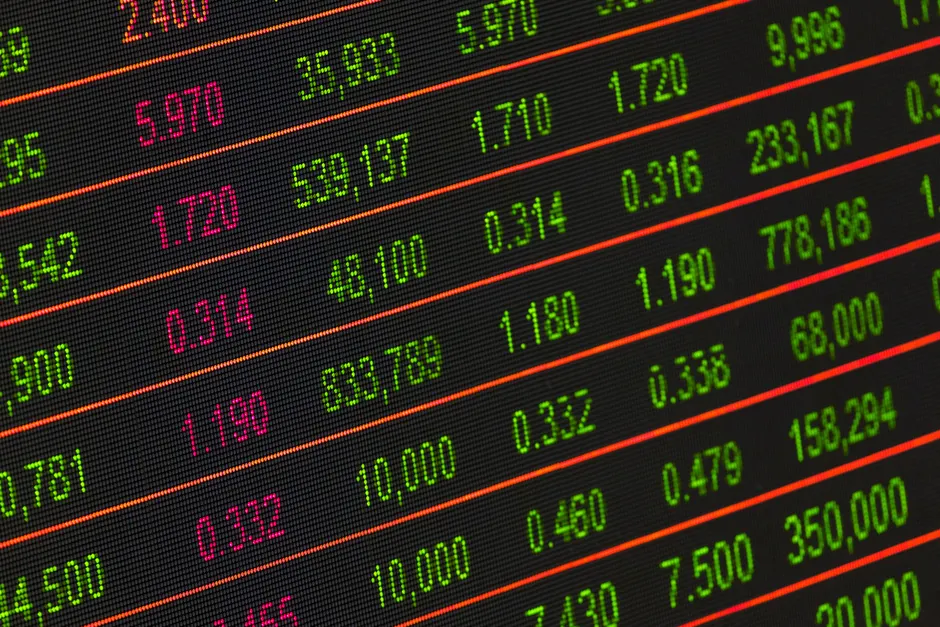
Stocks Slide as Bond Yields Climb and Walmart Stumbles

Wall Street stocks fell to two-week lows on August 20, 2026. The Dow dropped 0.86%, the S&P 500 fell 0.44%, and the Nasdaq lost 0.92%, as Treasury yields resumed their climb and Walmart's quarterly results missed the mark. The decline erased most of the prior session's gains and extended a selloff that began two days earlier on August 18, when stocks slipped on concerns about heavy government spending and inflation worries that pushed bond yields to decade highs (Reuters).
The bond market sits at the center of this stock decline. On August 20, the 30-year U.S. Treasury yield rose 3.5 basis points to 5.244%. A basis point is one one-hundredth of a percentage point, so 3.5 basis points equals 0.035% — a small move in absolute terms but meaningful in the bond world, where shifts of that size ripple across markets. Yields on shorter-term Treasuries dipped briefly before resuming their climb. Higher oil prices added to the inflation pressure: U.S. crude futures settled up 0.5% on August 18, paring most of their intraday gains by late afternoon but still closing positive (Reuters). Rising yields and elevated energy prices together put pressure on stock valuations, especially in sectors sensitive to borrowing costs like real estate and utilities.
Walmart's earnings miss was the catalyst that pushed the market through key technical support levels. The retailer's stock fell roughly 8.6% after it missed Wall Street expectations for quarterly comparable sales, a metric that measures sales at stores open at least a year and strips out the effect of new locations. Shoppers pulled back on spending (Yahoo Finance). The result matters beyond a single stock: Walmart is the country's largest retailer by revenue and a bellwether for U.S. consumer demand. When the biggest player in retail posts softer sales, it raises questions about whether the consumer spending that drives economic growth can hold up. This is the second consecutive earnings cycle in which Walmart's results weighed on broader sentiment. On June 23, 2026, U.S. stocks fell after weak earnings from Walmart and Alibaba deepened a tech slide (WSJ).
The current risk-off stretch traces to early June. On June 5, 2026, investors dumped bonds after a hot jobs report rekindled the possibility of Federal Reserve rate hikes that year, sending the Nasdaq sharply lower (WSJ). By June 18, equities had rebounded, with gasoline prices rising 1.9% and reversing the prior session's slide (WSJ). The respite did not last. The August 18 session, covered by the Wall Street Journal under the headline "U.S. Stocks Retreat on Worries About AI Trade, Hormuz Fears," captured a market facing several risks at once: heavy fiscal spending, stubborn inflation, geopolitical supply risk in the Strait of Hormuz, and a cooling AI trade that had driven index returns earlier in the year (WSJ). On that same day, a separate WSJ report noted that tech stocks slid as a global bond selloff picked up steam, ahead of earnings from Walmart, Alibaba, and Deere & Co. (WSJ).
The ripple effects reached beyond U.S. borders. The Canadian dollar touched a near three-month high against the U.S. dollar on August 20, as oil prices climbed and Canadian bond yields rose in step with their U.S. counterparts (Reuters). For currencies tied to commodities like the Canadian dollar, rising oil prices and tightening financial conditions create a double-edged dynamic: the currency benefits from higher crude, but the same forces dragging U.S. equities lower eventually weigh on global growth expectations and, by extension, demand for commodities.
The broader context here is a market repricing what economists call the term premium. The 30-year Treasury at 5.244% is not just a number — it reflects investors demanding greater compensation for holding long-dated government debt amid fiscal expansion and persistent inflation risk. Think of it as the extra yield investors insist on for locking up their money for three decades when the outlook is uncertain. When long-dated Treasury yields rise alongside the risk premium investors demand for holding stocks, the traditional diversification benefit of bonds breaks down. Normally, when stocks fall, bonds hold their value or rise, offering a hedge. On August 20, that hedge failed: Treasuries offered no refuge as yields rebounded, wiping out the prior day's decline, while equities sold off on growth concerns from Walmart's consumer data (Schwab).
The deeper tension is between two narratives that are hard to reconcile at the same time. If bond yields are rising because of fiscal spending and inflation, that is a nominal-growth story that should, in theory, support corporate earnings. But Walmart's comparable sales miss suggests the consumer is already pulling back, meaning higher borrowing costs are hitting demand before they meaningfully constrain supply-side inflation. That carries a faintly stagflationary undertone — the dreaded mix of weak growth and persistent inflation that haunted the 1970s. In a pure inflation scare, stocks and bonds fall together but the growth outlook stays intact. When the consumer bellwether misses alongside a bond rout, the market is pricing the possibility that the Federal Reserve has limited room to cut rates without reigniting inflation, and limited room to hold rates without breaking consumer demand.
The path from here depends on data the market has not yet seen. Upcoming earnings from Alibaba and Deere, flagged in the August 18 WSJ coverage, will clarify whether the consumer softness is a Walmart-specific issue or a broader demand slowdown. Until then, the market is left pricing two risks at once, with neither bonds nor stocks offering a clean hedge against the other.