Prince Harry and Meghan Plan Return to the UK with Their Children
Prince Harry and Meghan, the Duke and Duchess of Sussex, plan to return to the United Kingdom in August 2026 with their two children, according to multiple reports first broken by The Guardian on August 19. The family intends to settle in a private, non-royal residence outside London, with Prince Archie, aged 7, and Princess Lilibet, aged 5, expected to enroll in British schools in September (The Guardian). PEOPLE magazine confirmed that the children are moving with their parents to Britain (PEOPLE).
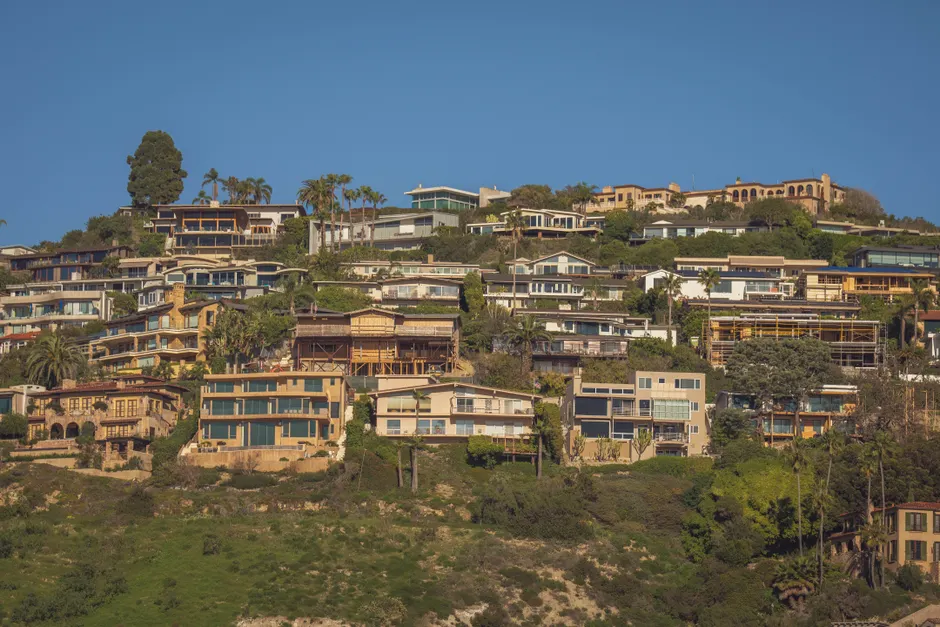
The move comes six years after the Sussexes stepped back from royal duties and relocated to the United States in 2020 (Reuters). "Stepping back from royal duties" meant the couple stopped carrying out official engagements on behalf of the monarchy and gave up their publicly funded roles. They settled in Montecito, California, an affluent enclave near Santa Barbara about 90 miles south of Los Angeles, purchasing a $14.7 million estate (The Guardian). Montecito, whose residents have included Oprah Winfrey, Gwyneth Paltrow, and Ellen DeGeneres, had embraced the royal presence; Santa Barbara tourism officials adopted the tagline "Montecito: Fit for Royalty" to attract visitors and prospective residents. The community also maintained a fiercely guarded privacy: Erin E Doherty, who moderates a Montecito Facebook page with more than 11,000 members, warned journalists in a 2020 post that residents would neither sell out nor talk to the press.
The Sussexes left the UK amid accusations of media intrusion and attacks focused particularly on Meghan, who is biracial and who publicly chastised her royal relatives for racist mistreatment and what she described as inadequate handling of press harassment (The Guardian). The couple has also been embroiled in a legal dispute over funding for their security protection in Britain — a dispute that remains a live question as they prepare to return.
King Charles was informed of the planned move on a Sunday, according to a source cited by NBC News (NBC News). The Guardian reported that the surprise return may affect the Sussexes' relationships with senior royals, including King Charles and Prince William (The Guardian). Andy Burnham said the couple's security funding on their UK return is a private matter (The Guardian). The Guardian also reported that the Sussexes' children are already enrolled at British schools, a detail consistent with the September start date.
The Sussexes will retain their residences in Montecito and Portugal after the move to the UK, according to ABC News (ABC News). Multiple sources told Elle that the couple has not decided whether the move to the UK will be permanent (Elle).
The broader context here is a transition layered with competing signals. The Sussexes' security dispute, which centered on whether Harry would receive taxpayer-funded protection after stepping back from royal duties, has been a persistent legal irritant. Settling the family outside London in a private, non-royal residence signals a deliberate distance from the institutional apparatus of the monarchy, yet enrolling the children in British schools introduces a degree of permanence that a short visit would not. The retention of the Montecito and Portugal properties, combined with the stated uncertainty about whether the relocation is permanent, suggests the Sussexes are preserving optionality rather than committing to a clean break from the United States.
The family dynamic has been publicly strained since 2020. Meghan's allegations of racist treatment within the royal family, Harry's legal battles over security arrangements, and the couple's media ventures critical of the institution have created a rupture that a geographic relocation alone cannot resolve. Whether King Charles and Prince William engage with the returning Sussexes, and on what terms, will be scrutinized as an indicator of whether the family rupture is narrowing or merely being relocated to British soil. The security question, the property holdings across three countries, and the children's schooling all point to a transition that is more provisional than conclusive.