BMW's Electric M Performance Car Takes Shape at Le Mans
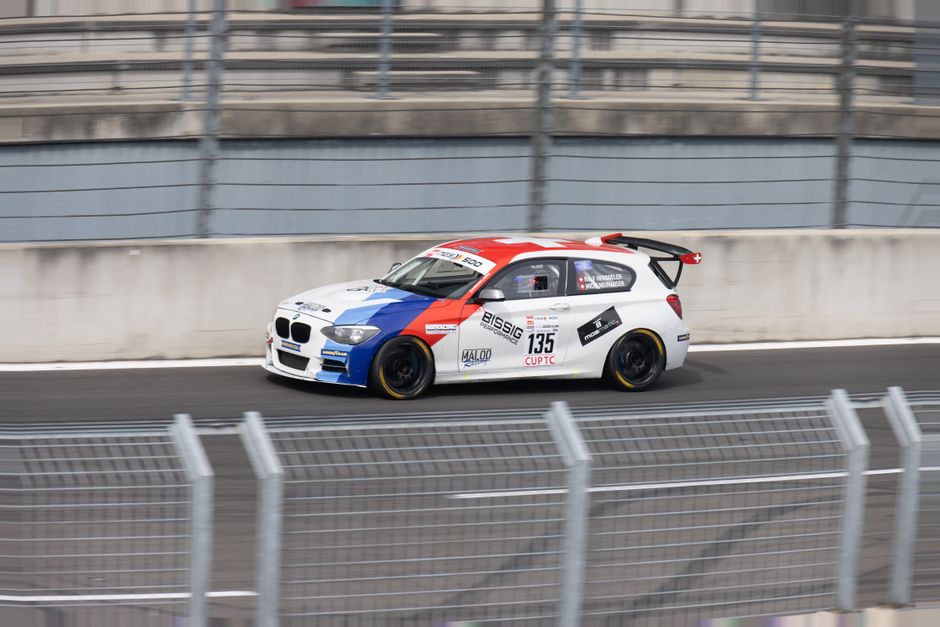
BMW unveiled the M Concept Neue Klasse on June 12, 2026, at the 24 Hours of Le Mans — one of the world's most demanding endurance racing events — in a deliberate effort to anchor a new electric performance car in the brand's motorsport heritage.
The concept sits atop the Neue Klasse electronic architecture, which BMW Group has confirmed will form the foundation for its upcoming fully electric M models. That platform handles the electrical systems, software control, and hardware integration that will power the next generation of M cars. The M Concept applies that architecture to a vehicle focused on dynamics, agility, and precision — the language BMW M has used since its earliest performance cars.
BMW's press materials claim the concept carries design and technology transferred directly from motorsport. The word "transferred" is worth noting: it suggests flow from the racing programme into the production pipeline, rather than the usual direction where road technology moves onto the track. Whether that transfer runs deep at the hardware level or remains mostly visual will become clear when BMW M moves toward production.
Le Mans is not an arbitrary choice. BMW M Motorsport finished the 2024 season with 215 wins across more than 1,000 races in its GTE and GT3 programmes. The M Hybrid V8 competed there in June 2024, carrying artist Julie Mehretu's Art Car livery on the number 20 entry. By premiering a concept at the same venue two years later, BMW keeps the Neue Klasse story tightly linked to active racing.
That connection serves a commercial purpose. BMW M needs to establish credibility in electric performance, and the Neue Klasse architecture is the clearest roadmap the division has provided for what that lineup will look like. The electronic architecture question — how torque vectoring (sending different amounts of power to different wheels), battery management, and software updates are woven together at the platform level — will decide whether the next generation of M cars can deliver the immediate, responsive feel that has defined the combustion-engine versions.
The timing reflects pressure from multiple directions. European regulatory frameworks continue to push new cars toward zero-emission drivetrains in the 2030s, and premium performance brands face a shrinking window to prove themselves in electric performance before regulations tighten. BMW's decision to plant Neue Klasse's M identity in motorsport heritage rather than efficiency metrics sends a signal: the brand intends to compete on driver experience, not just range and charging times.
Concepts unveiled at Le Mans sit somewhere between vision and engineering reality. Production timelines, final power outputs, and how much of the transferred motorsport technology will survive the journey from prototype to factory car remain uncertain. What is confirmed is the platform and the stated direction: fully electric M models will not be renamed versions of the standard Neue Klasse line, but will carry their own distinct performance architecture from the ground up.

