New Blood Test Could Map a Fetus's Genes Without Invasive Procedures
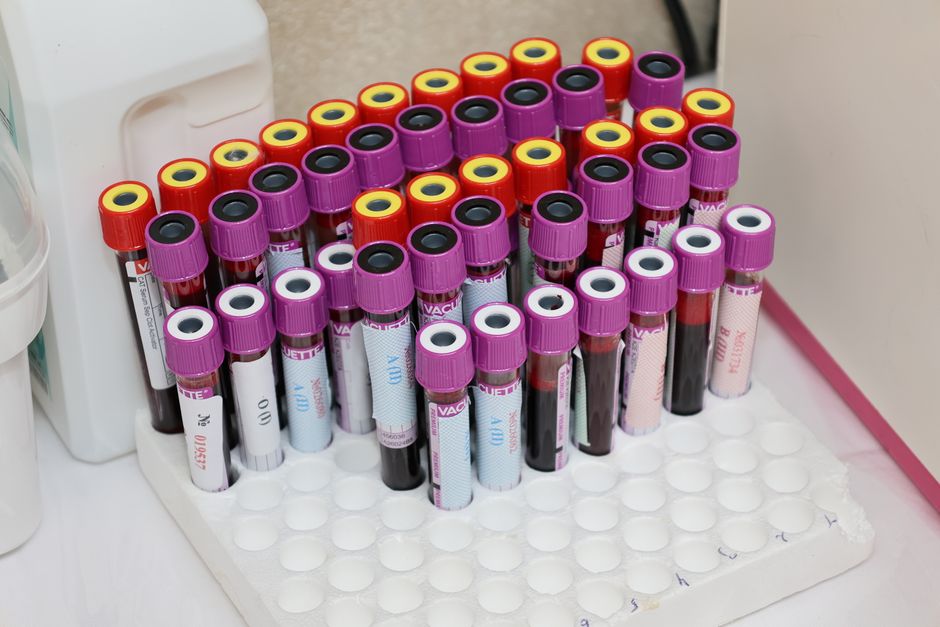
Researchers presenting at the European Society for Human Genetics Conference in Gothenburg this June are advancing a class of blood tests that can now characterize a fetus's complete genetic makeup directly from the mother's blood — no needles into the amniotic sac required.
Non-invasive prenatal testing, or NIPT, has been used clinically for over a decade. It works by detecting fragments of fetal DNA floating in maternal blood plasma to screen for chromosomal conditions like Down syndrome (trisomy 21). What's being discussed at the 2026 conference is a significant step forward: instead of screening for just a few known conditions, researchers can now sequence the fetus's entire genome from a single maternal blood draw — offering a direct alternative to amniocentesis or chorionic villus sampling, the more invasive diagnostic procedures.
The biology works through two sources of fetal material. Cell-free fetal DNA — released mostly by placental cells and detectable from around ten weeks of pregnancy — has long been the foundation of NIPT. More recently, researchers have found that intact circulating trophoblasts (whole placental cells) can also be recovered from maternal blood. These whole cells are valuable because they allow genetic analysis of both maternal and fetal genomes from the same sample, rather than relying only on broken DNA fragments.
The idea of sequencing an entire fetal genome from maternal blood wasn't new in 2026. In 2012, researchers had already shown it was technically possible, positioning it as a less invasive alternative to amniocentesis. What changed over the next decade was the cost, the quality of sequencing, and the software pipelines that untangle which DNA belongs to mother and which to fetus. Whole-genome sequencing prices dropped dramatically, and the bioinformatic tools to separate the two genetic signals became far more reliable.
Earlier applications were narrower and more targeted. A 2010 study showed maternal blood could reliably determine fetal sex in early pregnancy — clinically useful for families where the mother carries an X-linked genetic disorder like haemophilia A, since knowing the fetus's sex determines whether additional testing is needed. That single-marker approach now seems modest compared to genome-wide variant detection from the same blood sample.
The clinical consequences are substantial. Amniocentesis carries a procedural miscarriage risk typically quoted between 0.1–0.5%, depending on the clinic's experience and technique. It's generally offered only after initial screening suggests elevated risk. A non-invasive route to equivalent or better diagnostic information would change the calculation for many pregnancies — particularly for variants whose effects are unclear and rare genetic conditions that standard cell-free DNA panels don't currently detect.
The ESHG conference is the natural forum for this work. It brings together clinical geneticists, lab scientists, and genetic counsellors who must translate sequencing technology into clinical practice. The European genetics society has also been central to developing the regulatory and ethical frameworks governing prenatal genetic testing across European health systems. The questions being worked through are not purely technical. Expanding the amount of fetal genetic information available — especially incidental findings and variants of unknown significance — requires new approaches to informed consent, counselling resources, and policy on what clinicians must report to patients.
The direction is clear: broader and earlier genetic characterization of the fetus using the least invasive methods available. How quickly this moves from conference presentations into routine clinical care depends on regulatory decisions in different countries and whether health systems fund the tests at scale. Those decisions will take considerably longer than the lab work itself.


