The USPS Mail-In Ballot Rules: What's Happening and Why It Matters
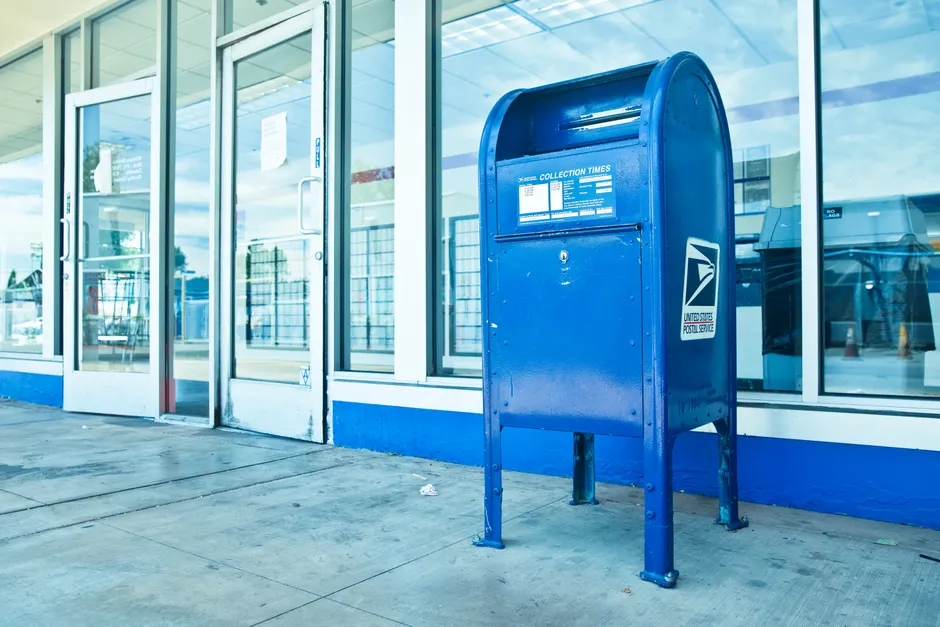
On Friday, August 21, 2026, the United States Postal Service published a 95-page final draft of proposed rules that would restrict how mail-in ballots are handled, positioning the regulations to take effect immediately if a current court order blocking them is overturned (Al Jazeera).
The proposed rules stem from a March 2026 executive order by President Donald Trump, who instructed the Postal Service to implement new mail-in ballot regulations. Trump, who began his second term in 2025, has long claimed that mail-in voting is vulnerable to fraud and has continued to dispute the results of the 2020 election, which he lost. In 2026, he accused California of "cheating" in its primary races after Republican candidates performed below his expectations. At the same time, Trump himself voted by mail in Florida's primary, despite his criticisms of the practice.
Under the proposed framework, states would be required to share with the USPS the identities of voters who request mail-in ballots and to redesign ballot envelopes with barcodes that allow the Postal Service to track voting materials (Al Jazeera). The USPS would then deliver ballots only to voters on each state's approved list. States that do not comply with the federal demand for voter records would not have their ballots distributed through the mail system (Reuters, Al Jazeera). The USPS has stated that if the rules take effect, it will not collect or record party affiliation and will not inspect the contents of any ballot (Reuters).
So far, the federal courts have blocked the rules from taking effect. In June 2026, US District Judge Indira Talwani ruled that states could voluntarily adopt the rules but that the federal government could not compel policies like barcoding. On August 11, 2026, Talwani ruled again in a case brought by voting rights groups, barring both federal agencies and the USPS from using the executive order to interfere with voter rolls or mail ballots (ACLU). In her ruling, the judge found that voter disenfranchisement — meaning voters losing their ability to cast a ballot — was "plausibly likely and imminent" as a result of the executive order. A separate USPS statement of organization and rules was scheduled for publication on or after August 17, 2026, pending the Postal Service's review of public comments on that statement (Federal Register).
The legal battle has unfolded on multiple fronts. Leaders of 23 states and the District of Columbia have challenged the administration's plan, and a coalition of voting rights organizations has filed a separate lawsuit. In August 2026, the Trump administration asked the US Supreme Court to intervene in the litigation, escalating the dispute toward the nation's highest court (Reuters).
The broader context here is electoral stakes. In November 2026, voters will decide control of the US Senate and House of Representatives, with Democrats aiming to reclaim one or both chambers. By publishing the 95-page draft while the rules remain blocked by court order, the USPS is keeping the regulatory framework ready for immediate deployment if a higher court overturns the injunction. The core legal question is one of federalism: whether Washington can use its authority over the mail to mandate how states run their elections. The barcoding requirement, which Judge Talwani specifically flagged as exceeding federal authority, sits at the center of that dispute. For election administrators in the 23 opposing states, the draft offers concrete details of what compliance would entail: redesigned envelopes, barcode integration, and voter identification protocols tied to federal distribution thresholds.


