Courts Keep Blocking Trump Administration Orders—and the Bigger Cases Are Just Beginning
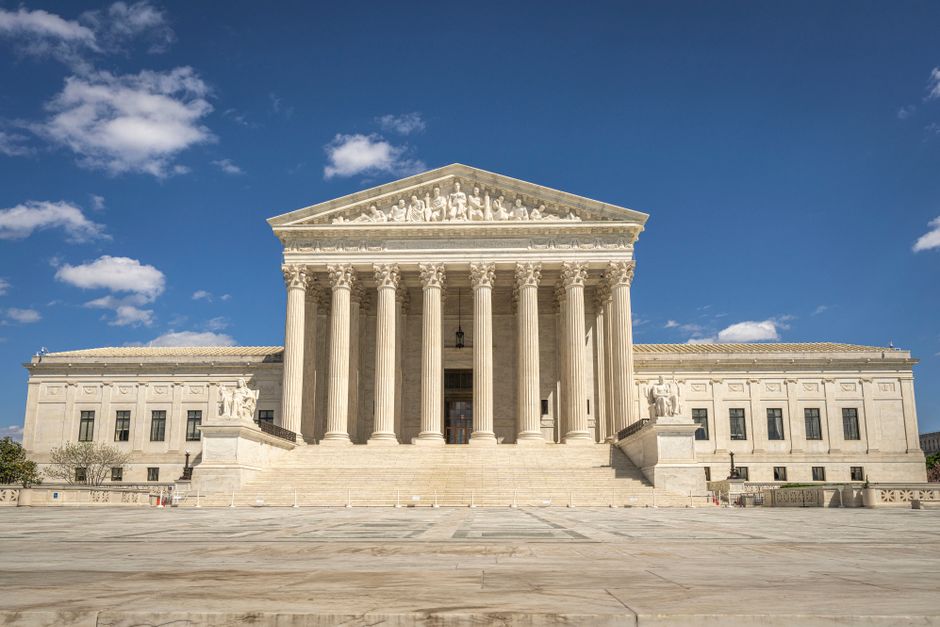
Courts Keep Blocking Trump Administration Orders—and the Bigger Cases Are Just Beginning
A federal judge has kept in place an order requiring the removal of President Trump's name from the Kennedy Center, rejecting an attempt to pause the ruling while the case moves through appeals. This decision is the latest in a series of court rulings that have slowed or blocked administration actions in the early months of Trump's second term.
The June 12, 2026 ruling sits within a much larger pattern. Federal courts across the country are handling emergency requests from both the Trump administration and its opponents at a pace and volume that tests what courts normally consider an "emergency." The pattern has not been uniform—the administration has won some emergency relief—but the growing pile of court orders blocking administration policy gives a sense of where the courts are leaning so far.
A Heavy Load of Urgent Cases
The Kennedy Center naming dispute is just one piece. Federal courts have been flooded with emergency motions and requests to pause court orders. The Supreme Court has stepped in repeatedly.
Late in 2025, the Supreme Court granted the Trump administration's emergency request to temporarily block a court order requiring full funding of SNAP food aid—a meaningful win for the White House. But just weeks later, in December 2025, a federal appeals court rejected the administration's request to halt an order that released millions of dollars in education and mental health grants. The administration has also filed emergency motions in cases like Trump v. AFGE (docket 24-1106), asking appeals courts to overturn lower court orders while the full appeal proceeds.
The uneven results tell us something: neither the administration nor its opponents has a clear advantage in these emergency fights. Both sides are winning some and losing some.
The International Emergency Economic Powers Act—and Why It Matters
Among all the cases working through the courts, one stands out for its potential reach: Learning Resources, Inc. v. Trump (docket 24-1287). This case asks the Supreme Court to clarify what power the president actually has under a law called the International Emergency Economic Powers Act, or IEEPA.
IEEPA is a statute that gives the president broad authority to respond to national emergencies. Recent administrations have used it to impose tariffs, to add companies or countries to sanctions lists, and to control what can be exported. The Trump administration has relied heavily on IEEPA to justify several of its policies. What the Supreme Court decides about how much power IEEPA actually grants will ripple far beyond this single case—it will affect trade law, national security policy, and how much the executive branch can do without Congress explicitly saying yes.
For a long time, courts have treated IEEPA as giving the president nearly unlimited emergency power. But this case may force the Court to draw clearer lines about where that power ends. That matters hugely for anyone working in international trade, national security, or business compliance.
The Immunity Question Underneath It All
In the background of everything sits another case: Trump v. United States (docket 23-939). That case asks whether a president can be prosecuted for crimes related to actions taken while in office—or whether a president has what's called "absolute immunity" from criminal prosecution.
The Supreme Court's answer will set the constitutional foundation for all the other legal fights about executive power. If the Court rules that presidents have broad immunity, the president's power expands. If immunity is narrow, the opposite happens. This case does not directly affect the Kennedy Center naming dispute, which turns on whether the administration followed the right legal steps. But it shapes the larger legal and political climate in which all these fights happen.
What This Pattern Means
The flood of emergency motions and court orders tells us something important: the Trump administration has used executive authority aggressively across many different areas at once, and opponents have responded by asking courts to freeze those actions while the full legal arguments develop. Courts have not been consistent in granting or denying these emergency requests, which means neither side can claim a clear procedural edge.
For businesses and lawyers tracking the legal landscape, Learning Resources v. Trump is the case to watch most closely. For federal employees and labor lawyers, Trump v. AFGE is the more immediate pressure point. The Kennedy Center dispute, while symbolically meaningful, involves narrower legal stakes—a question about what name should appear on a building, not a fundamental question about how much power the president has.
The judge's decision to keep the removal order in place means the case will proceed normally through the appeals process. Given how fast this administration and its opponents have moved through the courts, a full ruling on appeal could come relatively quickly.


