IndyCar Hits D.C. Streets: Inside the Freedom 250 Grand Prix

On August 23, 2026, high-speed IndyCar racing came to the streets of Washington, D.C., for the first time in the city's history. The Freedom 250 Grand Prix — a 147-lap, 250-mile race on a temporary street circuit — started at 11:30 a.m. ET with pre-race coverage on FOX. It ranks as the second-longest street-circuit event in NTT IndyCar Series history, trailing only the 1982 and 1983 races. The series calendar continues to Milwaukee on August 29 and 30, then Laguna Seca on September 6.
Donald Trump drove a ceremonial lap of the track in the presidential limousine, nicknamed "the Beast" CNN. The race itself was Trump's idea: he instructed the White House Task Force on Celebrating America's 250th Birthday to design a race route through the capital. The Freedom 250 is the latest in a string of large-scale spectacles the administration has staged in Washington this summer. Earlier events included a UFC fight on the White House lawn and a fireworks display on July 4 BBC.
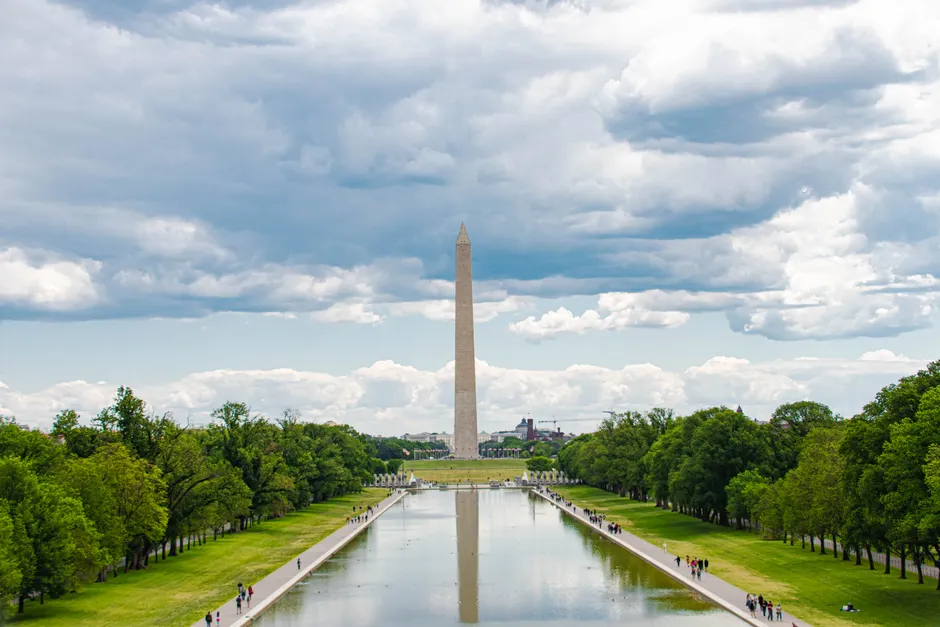
The logistical impact on the city was substantial. Organizers closed roads across wide sections of D.C., bolted down manhole covers, and resurfaced stretches of pavement to create the circuit. The track includes brick crosswalks and surface bumps that test drivers across the full 250-mile distance. Ronald Reagan Washington National Airport was placed under a three-hour airspace closure to allow a U.S. military flyover BBC.
On the sporting side, Alex Palou claimed pole position — the top starting spot — for the Grand Prix, earning his career-best seventh NTT P1 Award of the 2026 season. (The P1 Award goes to the fastest qualifier in each race.) Josef Newgarden led the warmup session. Palou arrives at the race leading the 2026 IndyCar championship standings with 542 points, well ahead of Kyle Kirkwood (409), David Malukas (405), Christian Lundgaard (403), and Pato O'Ward (385).
The broader context here is the unusual convergence of a top-tier motorsport event with the machinery of a presidential administration and the physical infrastructure of the nation's capital. A three-hour airspace closure at one of the most congested airports in the United States, widespread road resurfacing, and a military flyover were all deployed in service of a single race. Unlike a typical street circuit — which a commercial promoter would pitch to a city — this one was directed into existence by a White House task force originally set up to plan the country's 250th birthday celebrations. That places the Freedom 250 in a different institutional frame than most IndyCar events. A presidential ceremonial lap in "the Beast" further blurs the line between sporting pageantry and political staging.
For the IndyCar Series, the Freedom 250 adds a high-visibility street race at a venue with no prior motorsport infrastructure. Street circuits — temporary tracks built on ordinary city roads rather than purpose-built permanent facilities — carry inherent unpredictability. The brick crosswalks and surface irregularities on this course are not incidental; they are central to the competitive challenge over 250 miles. Palou's dominant championship lead gives the race a clear storyline: a driver running away with the title on a circuit none of the field has previously raced.
The race weekend continues the 2026 NTT IndyCar Series season with Milwaukee next on August 29 and 30, followed by Laguna Seca on September 6.