US Envoy Walks Back Golan Heights Comment After Backlash from His Own Side

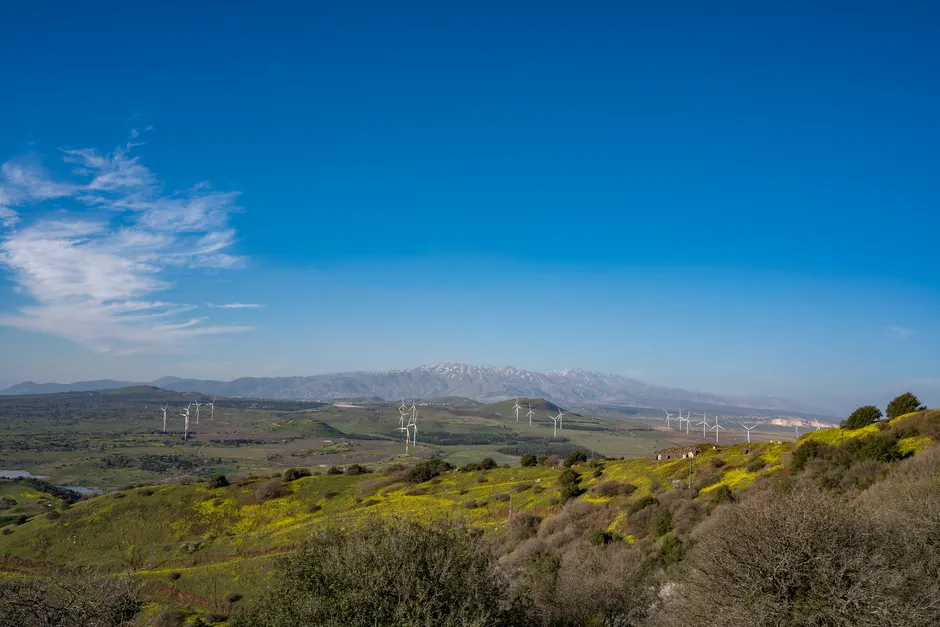
US Ambassador to Turkiye and Syria envoy Tom Barrack retracted his statement that Syria's Golan Heights is occupied territory, falling in line on August 23, 2026 with the Trump administration's policy recognizing Israeli sovereignty over the area. The reversal came two days after Barrack told podcaster Mario Nawfal that Israel "still occupies the Golan against UN resolutions and against all of the international order, which has said the Golan is Syria's" (Al Jazeera).
Barrack said US policy on the Golan was set by President Trump in 2019 and remains unchanged. That policy — formally recognizing Israel's claimed sovereignty over the territory — broke with decades of international consensus. Until Trump's recognition, no country had acknowledged the Golan as part of Israel. Israel captured the heights during the 1967 Six-Day War and unilaterally annexed the territory in 1981, a move the UN Security Council condemned at the time.
The retraction followed swift criticism from within Barrack's own political camp. Far-right commentator Laura Loomer called on Barrack to resign over his Golan remark. Republican Senator Rick Scott also weighed in, arguing that Barrack was confirmed by the Senate to enact Trump's agenda. Barrack had additionally drawn fire for opposing Israeli air strikes on a Syrian airbase, a stance that placed him at odds with the prevailing pro-Israel posture within Republican circles.
In the Nawfal interview, Barrack went further than the Golan question alone. He suggested that Israeli strikes in Syria were designed to antagonise Turkiye, which is allied with the Syrian government, and he tied this dynamic to the upcoming US midterm elections in November. The remark was unusual for a sitting American envoy, linking Israeli military operations in Syria to domestic US electoral politics and to the Turkey-Syria alignment that has complicated Washington's posture in the region.
The broader context here is the tension between the legal architecture governing territorial conquest and the diplomatic reality of incremental normalization. The UN Charter's prohibition on acquiring territory by war has held as a guiding principle since 1945, but the Golan recognition and its subsequent adoption by Colombia suggest that principle is under practical stress. Legal experts have warned that recognizing sovereignty over territory taken by force could erode a cornerstone of the post-World War II international order. Biden's decision not to reverse Trump's policy indicated that the recognition had acquired a degree of bipartisan durability, even if the legal rationale remains contested.
For Syria, the Golan is both sovereign territory and a symbol of broader loss; for Israel, it is a strategic plateau and, since 2019, at least partially recognized sovereign ground; for the US, it is now an established policy position that any envoy contradicts at their peril. Barrack's retraction underscores how little room there is for dissent within the current administration on Israel-related matters. His initial remarks, whether a moment of candor or a diplomatic misstep, touched on questions that the Trump-era policy was designed to settle by fiat: whether the Golan is occupied, whether Israeli strikes in Syria serve broader regional interests, and whether US envoys should publicly connect Israeli military actions to US electoral politics. The speed of the walk-back, prompted by political figures rather than foreign governments, indicates that the pressure to conform came primarily from domestic constituencies rather than diplomatic channels.