Nine Years of Limbo: Rohingya Refugees Protest in Bangladesh as Aid Shrinks and Options Narrow
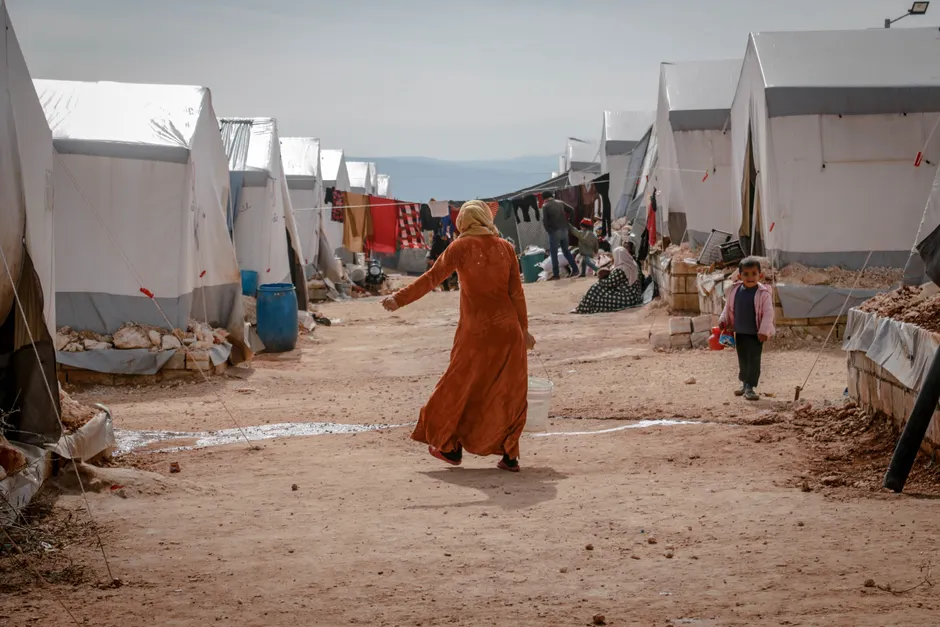
Hundreds of Rohingya refugees gathered at Cox's Bazar, Bangladesh on August 24, 2026, demanding justice and the right to return home on the ninth anniversary of the 2017 mass exodus from Myanmar (Al Jazeera). As of July 2026, close to 1.2 million Rohingya refugees remain in Bangladesh, according to the UN, most concentrated in the Kutupalong and Nayapara camps. The protests come as international aid has contracted, food insecurity has deepened, and the regional environment for Rohingya communities across South and Southeast Asia has worsened.
The crisis has deep roots. The Rohingya are a Muslim minority concentrated in Myanmar's Rakhine state (called Arakan until 1989). Under Myanmar's 1982 citizenship law, they have been denied citizenship, making them the world's largest stateless population — meaning no country recognizes them as citizens. Myanmar's government classifies them as undocumented immigrants from Bangladesh and excluded them from the 2014 national census. The Myanmar military has carried out periodic crackdowns in Rakhine since the 1970s, but the August 2017 operation was unprecedented in scale. More than 700,000 Rohingya fled across the border into Bangladesh in a matter of weeks. Human Rights Watch documented the destruction of at least 200 Rohingya villages and estimated 13,000 killed. Doctors Without Borders (MSF) reported at least 6,700 deaths in the first month alone, including more than 700 children under five.
Both UN officials and former US Secretary of State Antony Blinken, in 2022, formally designated the Rohingya crisis a genocide — a term under international law meaning acts committed with intent to destroy, in whole or in part, a national, ethnic, racial, or religious group. The 2017 crackdown is the subject of an ongoing genocide case at the International Court of Justice (the UN's highest court), filed by The Gambia in 2019. Inside Myanmar, an estimated 120,000 Rohingya were internally displaced as of 2021, and nearly all Rohingya remaining in the country live in Rakhine.
Myanmar's political trajectory has compounded the impasse. After five decades of military rule, Aung San Suu Kyi's National League for Democracy won a landslide in the 2015 election. The February 2021 coup deposed her government, triggering mass protests that evolved into an armed uprising. The collapse of central authority has made any negotiated repatriation framework effectively unworkable, leaving the refugee population in Bangladesh in indefinite limbo.
The humanitarian system sustaining the camps is under severe strain. Food vouchers for Rohingya refugees in Cox's Bazar were cut from $12 to $10 per person per month in March, then reduced again to $8 in June, amounting to approximately 27 cents per day (UNHCR). The World Food Programme cited a $125 million funding shortfall as the driver of the initial reduction (WFP). UNHCR separately cut its volunteer workforce in the camps by roughly 40 percent over a year due to budget reductions (UNHCR). Aid agencies report that one in three refugees is expected to face crisis-level hunger.
WFP partially restored rations starting June 1, 2024, with a stated goal of reaching full rations by August (WFP). In April 2026, WFP introduced a needs-based food assistance approach intended to sustain uninterrupted aid through November 2026 (WFP). In June 2026, the United Nations urged the international community not to forget Rohingya refugees as aid cuts threatened vital support (UN News). By April 2026, more than 1,000 Rohingya refugees had reportedly died in the Cox's Bazar camps (WION).
The regional picture has darkened as well. Since May 2025, Indian authorities have expelled scores of Rohingya refugees to Bangladesh and Myanmar without rights protections, according to Human Rights Watch (HRW). In Malaysia, a wave of hostile content on social media has intensified anti-Rohingya sentiment, raising concerns about the safety of refugee communities there (France 24).
The broader context here is a crisis that has expanded from a bilateral displacement issue between Myanmar and Bangladesh into a multi-state problem with no viable political resolution on the horizon. The ICJ genocide case proceeds slowly, Myanmar remains in civil war, and the donor base that sustained the world's largest refugee camp infrastructure is contracting. Needs-based food assistance may buy time through late 2026, but it does not address the structural absence of citizenship, repatriation, or third-country resettlement pathways. The Rohingya are caught between a Myanmar state that denies their existence, a Bangladesh host structure under fiscal stress, and regional actors increasingly inclined toward exclusion. Nine years after the exodus, the protest demand is unchanged: justice and a right to return. The political conditions for either remain absent.