How a Leaked Medical Exam Sparked a Youth Movement That Brought Down India's Education Minister
India's Education Minister Dharmendra Pradhan resigned on July 25, 2026, after weeks of nationwide protests by a Gen Z–led movement called the Cockroach Janta Party (CJP). His resignation was the first high-level political concession over a medical school entrance exam leak scandal. The crisis began in late May 2026, when papers for the National Eligibility cum Entrance Test (NEET) — the exam that governs admission to India's medical schools — were leaked. The government invalidated results for roughly two million students. Reuters
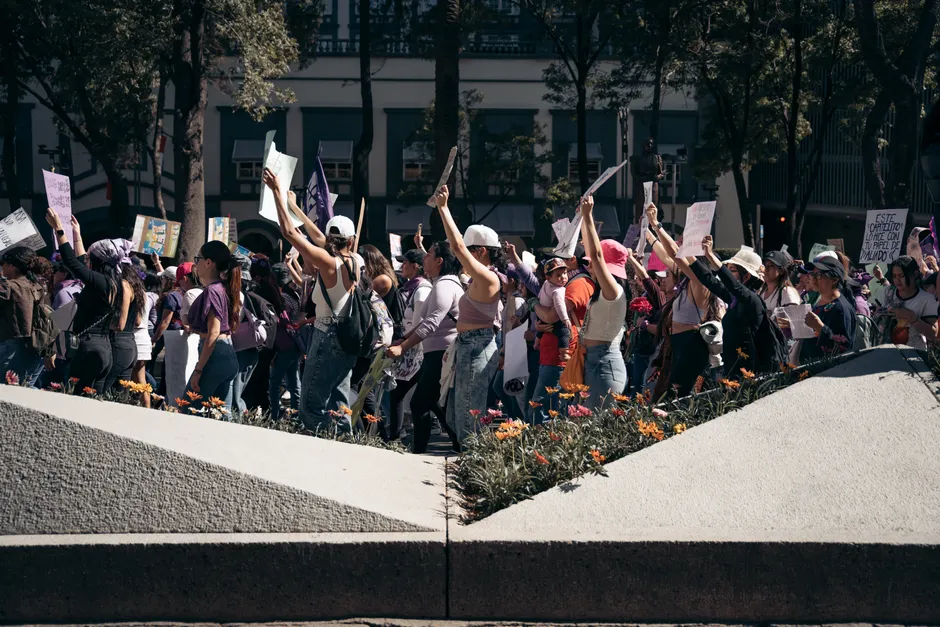
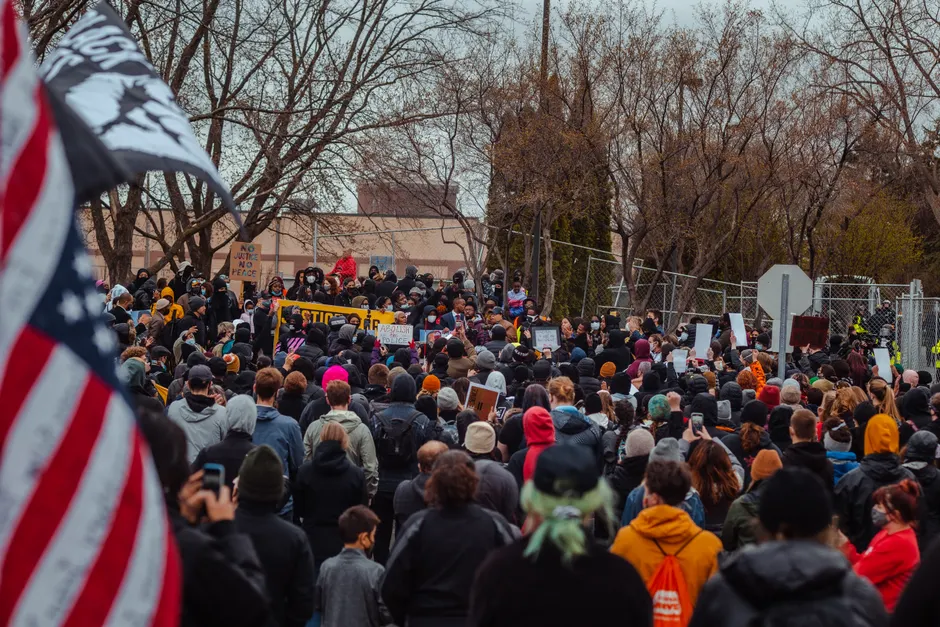
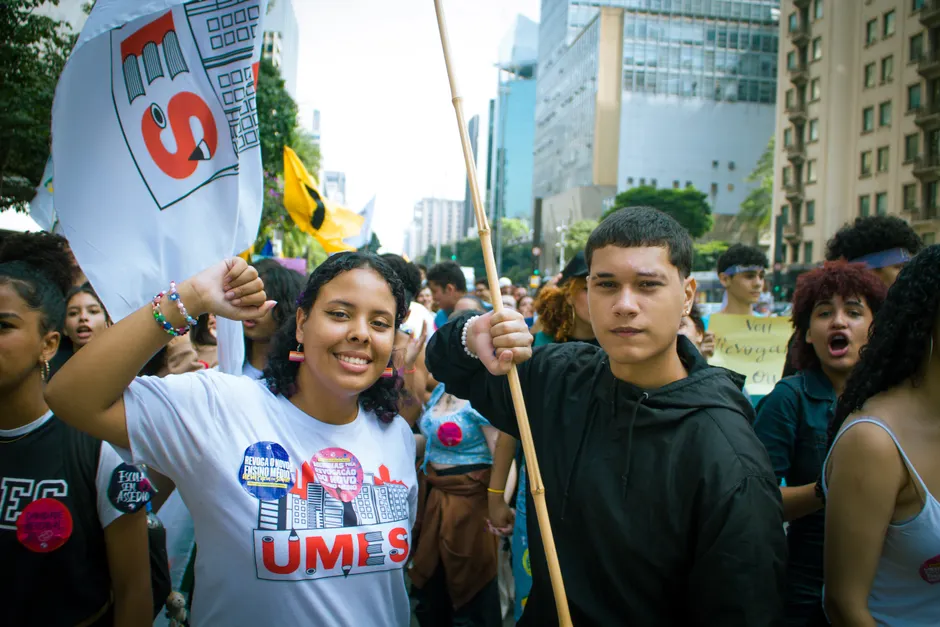
The movement, led by Abhijeet Dipke, grew from online outrage into street protests across multiple cities. Hundreds of mostly young Indians gathered in New Delhi demanding Pradhan's removal. When police moved to disperse a sit-in on July 21, 2026, protesters refused to leave, vowing to continue their demonstration at the capital. WUNC Four days later, after Pradhan stepped down, crowds celebrated at Jantar Mantar, a historic protest site in New Delhi. Frontline
The name "Cockroach" was a deliberate choice. Time magazine reported on August 1, 2026, that the movement's young protesters proved immune to the Modi government's tools of control, including media blackout and vilification campaigns. The cockroach metaphor signaled resilience: attempts to suppress the movement only multiplied its visibility. Time
Beyond the exam leak itself, the deeper fuel is structural unemployment among India's youth. The NEET leak was the spark, but the combustible material was a generation facing scarce formal-sector opportunities — meaning steady jobs with contracts and benefits — despite India's headline growth figures. The CJP's Instagram page served as an organizing hub, channeling that discontent into coordinated action. CNBC
The human cost lent the protests moral weight. Reuters reported that families of students linked suicides to the exam cancellation following the leak scandal, intensifying public anger that the government could not contain through conventional crisis management. Reuters
The CJP's origins trace to an Instagram page operating under the Cockroach Janta Party banner, which amplified student grievances and supported the protest movement. That digital infrastructure allowed the movement to circumvent traditional media channels, a capacity that proved decisive when state-aligned outlets minimized coverage. CJP figure Saurav Das said the movement turned online anger into mass protests over paper leaks and forced political concessions. Frontline
The broader context here is a generational rupture in the social contract between India's youth and the ruling Bharatiya Janata Party (BJP). Modi's government came to power promising jobs and meritocratic opportunity. The NEET leak, for many protesters, confirmed a perception that the system itself is rigged, not merely malfunctioning. The accusation that the government reneged on its promise, leveled directly by the movement, speaks to a loss of legitimacy that extends beyond any single bureaucratic failure. Democracy Now
The question now is whether the CJP can sustain institutional pressure. On August 3, 2026, the movement announced a two-day strategy meeting in Chhatrapati Sambhajinagar starting August 5, and explicitly ruled out launching a political party. The Hindu By August 20, the CJP had conducted a listening tour focused on school infrastructure, signaling a shift from single-issue protest toward broader movement-building. Frontline
India has seen youth protest movements before, from the anti-corruption Anna Hazare wave to the Nirbhaya demonstrations. Most flared, captured attention, and then receded without institutional transformation. The CJP's decision to reject formal electoral politics while pursuing grassroots organizing places it in a different category — closer to a sustained civic mobilization model. Whether that model can survive without the adrenaline of street confrontation, and without a single unifying demand like Pradhan's resignation, will test the movement's organizational depth.
The Modi government, for its part, absorbed the resignation of a cabinet minister without visible structural response to the underlying grievances. The exam was restructured, but the conditions that made two million students' fates hinge on a single test, and the job market that made those stakes existential, remain unchanged.